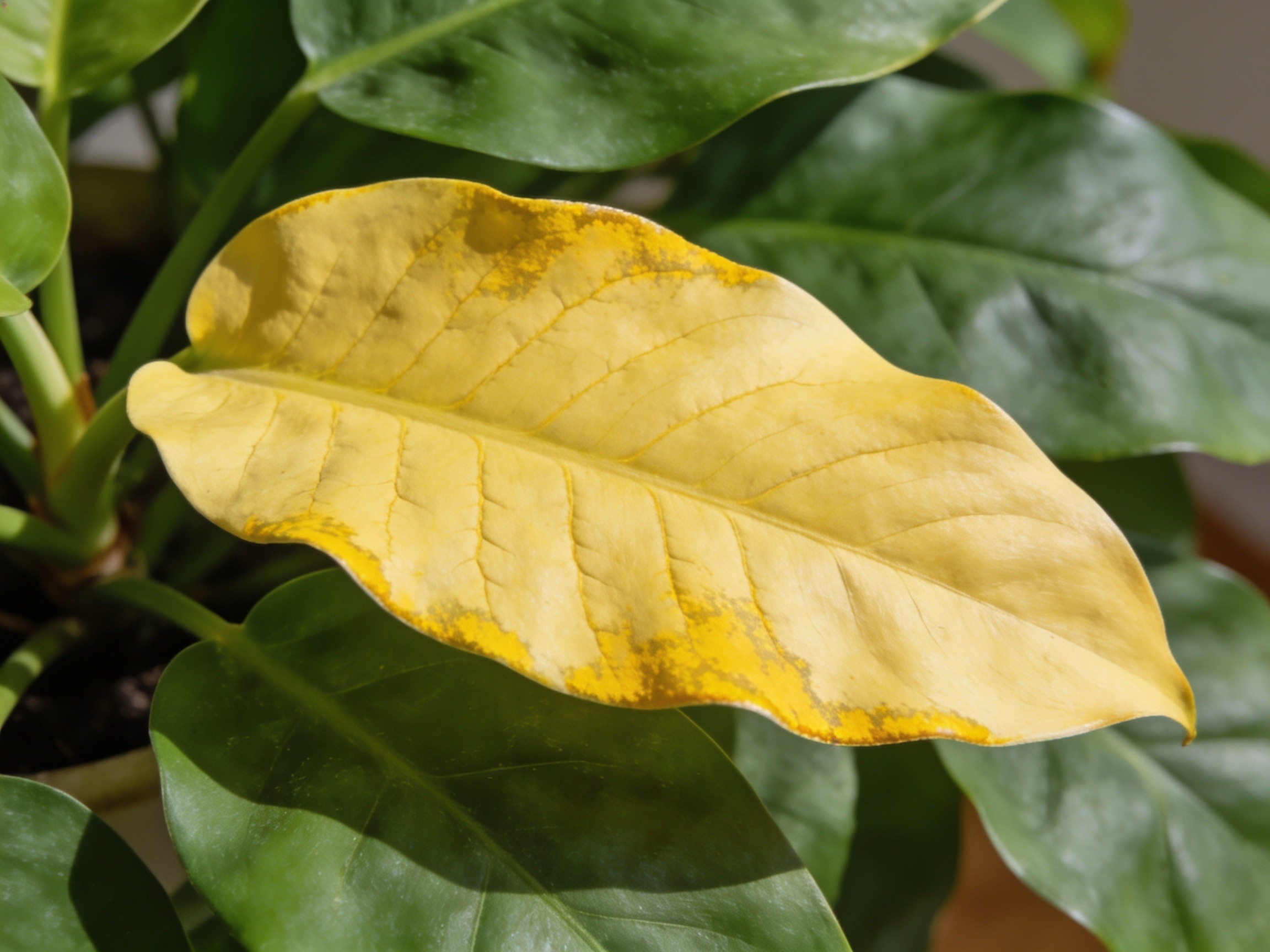
Yellow leaves are one of the most common plant complaints — and one of the least specific, since so many different problems can cause it.
Reading Where It Starts
Yellowing that starts with older, lower leaves often points to a nitrogen deficiency, since the plant pulls nitrogen from older growth to support new leaves. Yellowing between green veins on newer leaves more often signals an iron or magnesium deficiency, common in alkaline soil.
Watering Is the Most Common Culprit
Both overwatering and underwatering cause yellowing, which makes it a genuinely frustrating symptom to diagnose from color alone. Checking the soil moisture directly — rather than guessing from the leaf color — is the fastest way to rule watering in or out as the cause.
Other Possible Causes
Root rot from poor drainage, natural leaf aging, transplant stress, and pest damage can all cause yellowing as well. A plant that's otherwise healthy and just dropping a few old lower leaves is often simply undergoing normal, harmless leaf turnover.