Tulip Garden
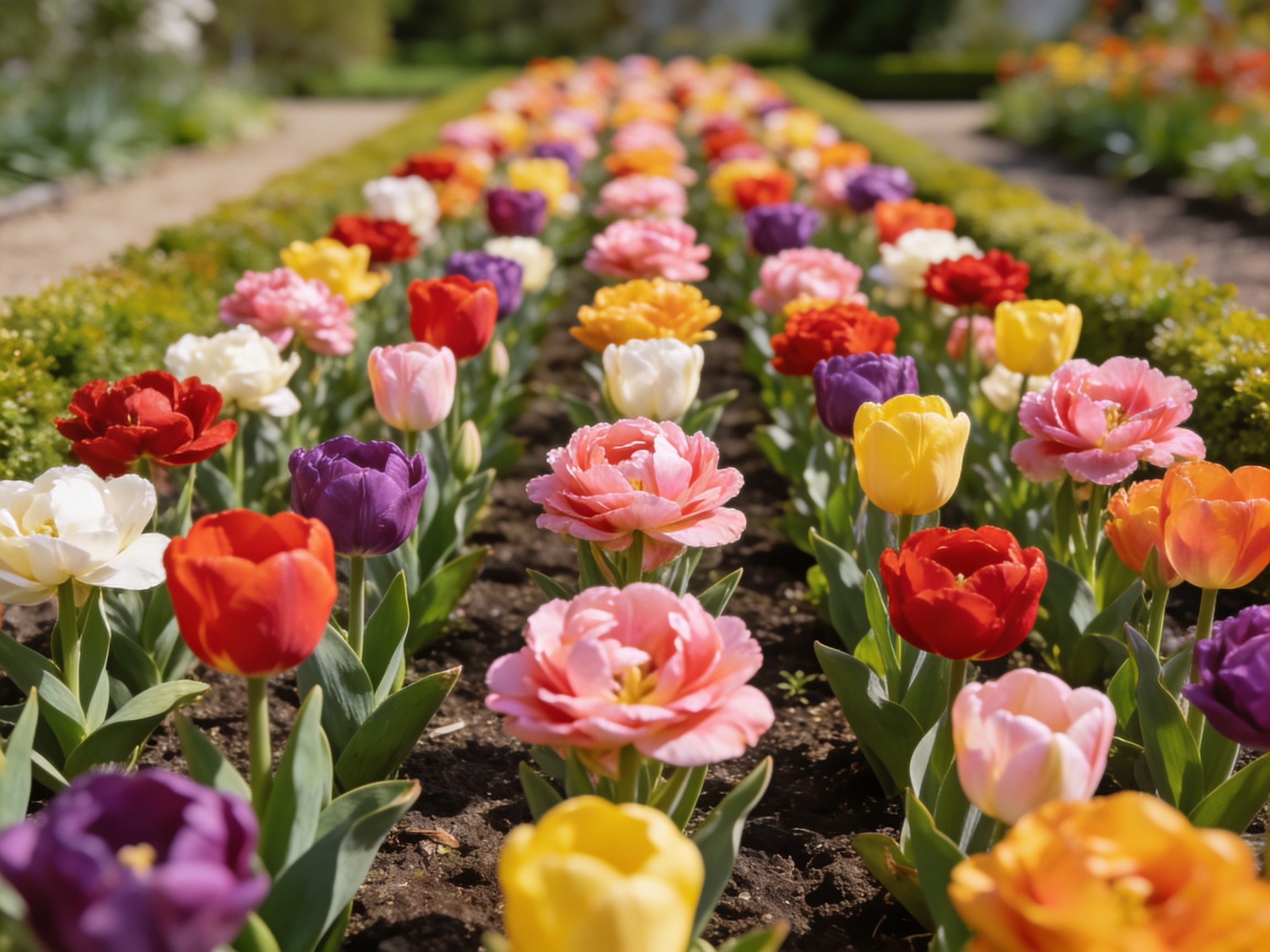
A tulip bed's success comes down to soil and drainage first — the variety and color choices are the fun part that comes after.
Getting the Soil Right
Unlike most perennials, tulips prefer sandy, well-drained soil and will rot in ground that stays saturated. Planting on slightly raised beds helps shed excess water, and working peat moss or compost into a flat bed improves drainage further. Plant bulbs pointed-end up, about 6 inches deep (up to 9 for jumbo bulbs), once the ground has cooled to 60°F or below — typically after November 1st in most zones.
Choosing Varieties and Layout
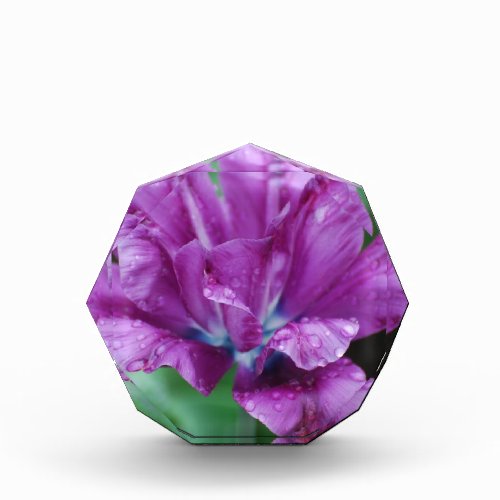
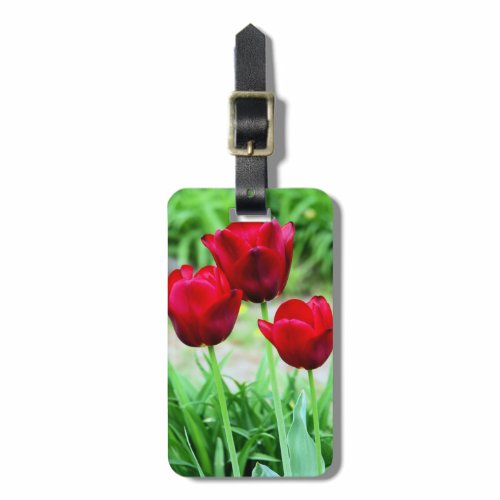
Single-blooming tulips in bold reds, whites, and purples make classic, high-impact beds, while double-blooming varieties and fringed or parrot-style petals add texture for a more elaborate planting. For the cleanest visual effect, plant tulips that bloom around the same time together, spaced just a few inches apart, either in evenly spaced rows of a single color or small clusters mixing colors and types.
Visiting a tulip festival — like Holland, Michigan's Tulip Time or Washington's Skagit Valley Tulip Festival — is a great way to see mature plantings and layout ideas before committing to your own design.