Starting a Wild Flower Garden
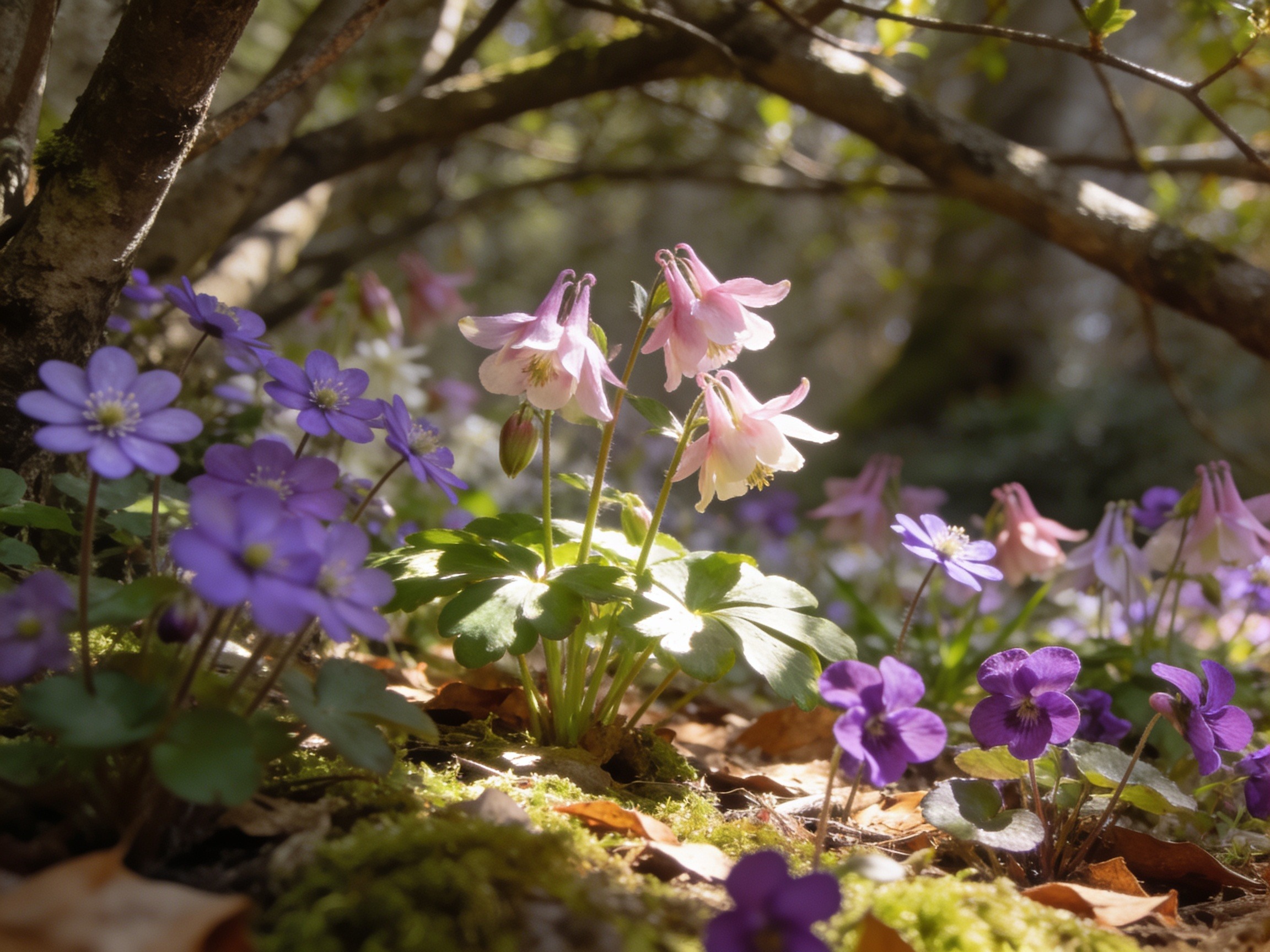
Success with wild flowers isn't luck — it's understanding. Every wild plant has a personality shaped by the exact conditions it grew up in, and copying those conditions is the whole secret.
Read the Woods Before You Dig
Before transplanting anything, study where you found it — the soil, the light, the neighboring plants — and recreate those same conditions at home. Transplant only after blooming season ends, and always bring some of the plant's own native soil along with the roots to pack around it in its new spot. Prepare the new bed ahead of time with rich, leaf-mold-heavy soil and excellent drainage; contrary to popular belief, woodland soil isn't waterlogged, so avoid planting into soggy ground.
A Season of Succession
A well-planned wild garden can bloom from March through fall: hepatica, spring beauty, and saxifrage open first, followed by columbine, bluets, and wild geranium in April, then dog-tooth violet and Jack-in-the-pulpit in May. June brings bellflower, mullein, bee balm, and foxglove, with butterfly weed carrying July, and aster, turtlehead, and Queen Anne's lace finishing the season into frost. Hepatica in particular rewards a light leaf-litter covering removed in late February, letting it poke up right on schedule.
Start small — master the needs of just one or two wild flowers before adding more each year. Understanding a handful of plants well beats collecting many you can't keep alive.