Types of Flowers
Flowers fall into a handful of broad categories based on how they grow and how long they live — knowing which is which makes it much easier to plan a garden that blooms in every season, or to pair the right cut flowers together in a vase.
Annuals, Biennials, and Perennials
Annuals complete their whole life cycle in one season and are further split by hardiness: hardy annuals (pansies, violas, foxglove) tolerate cold and are often planted for winter or early-spring color; half-hardy and tender annuals (petunias, impatiens, begonias) need warm soil and put on their show through summer. Biennials, like foxglove and hollyhock, take two years — foliage the first season, bloom the second. Perennials return from the same roots for years, making them the backbone of a lasting garden bed.
Mixing Flowers Well
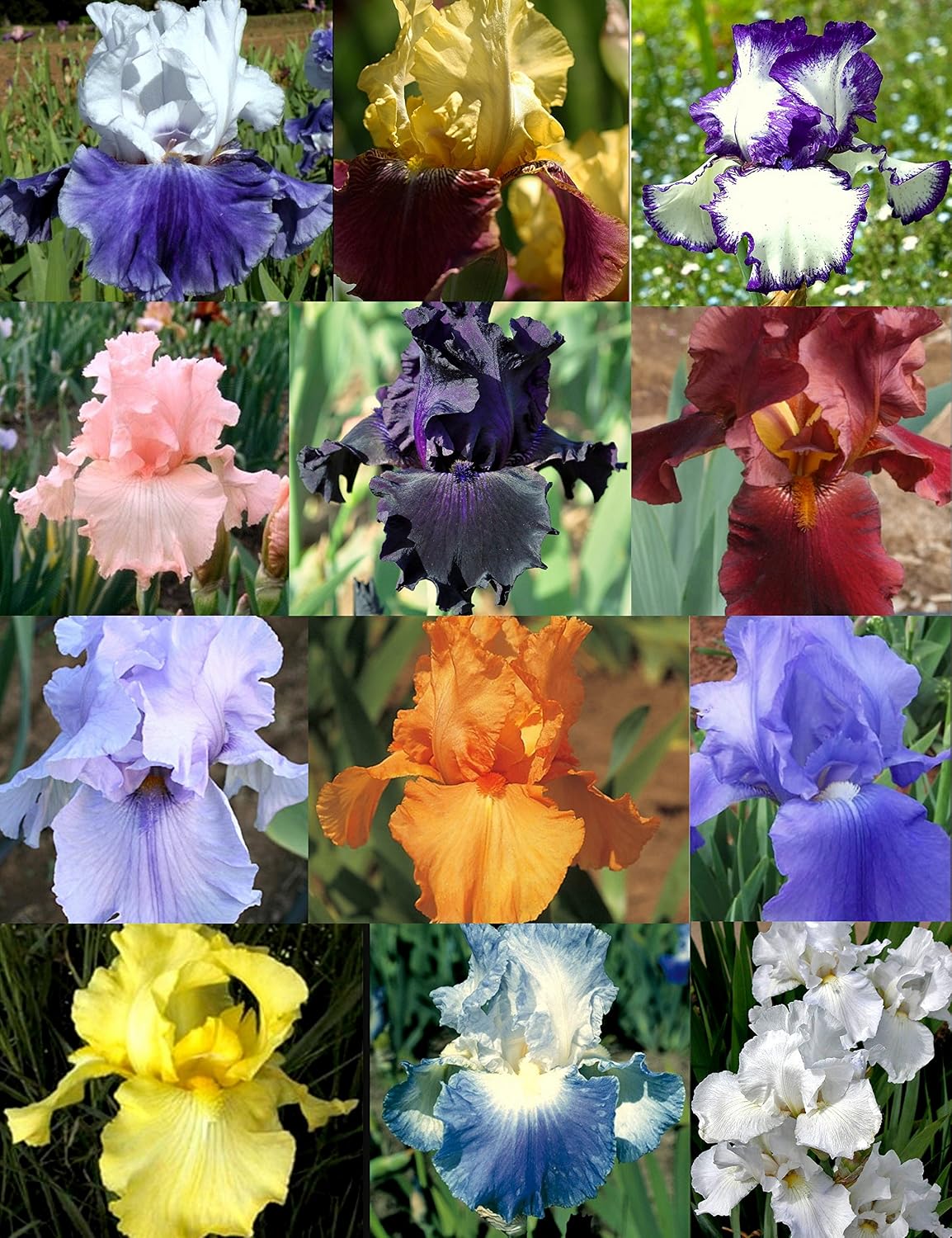
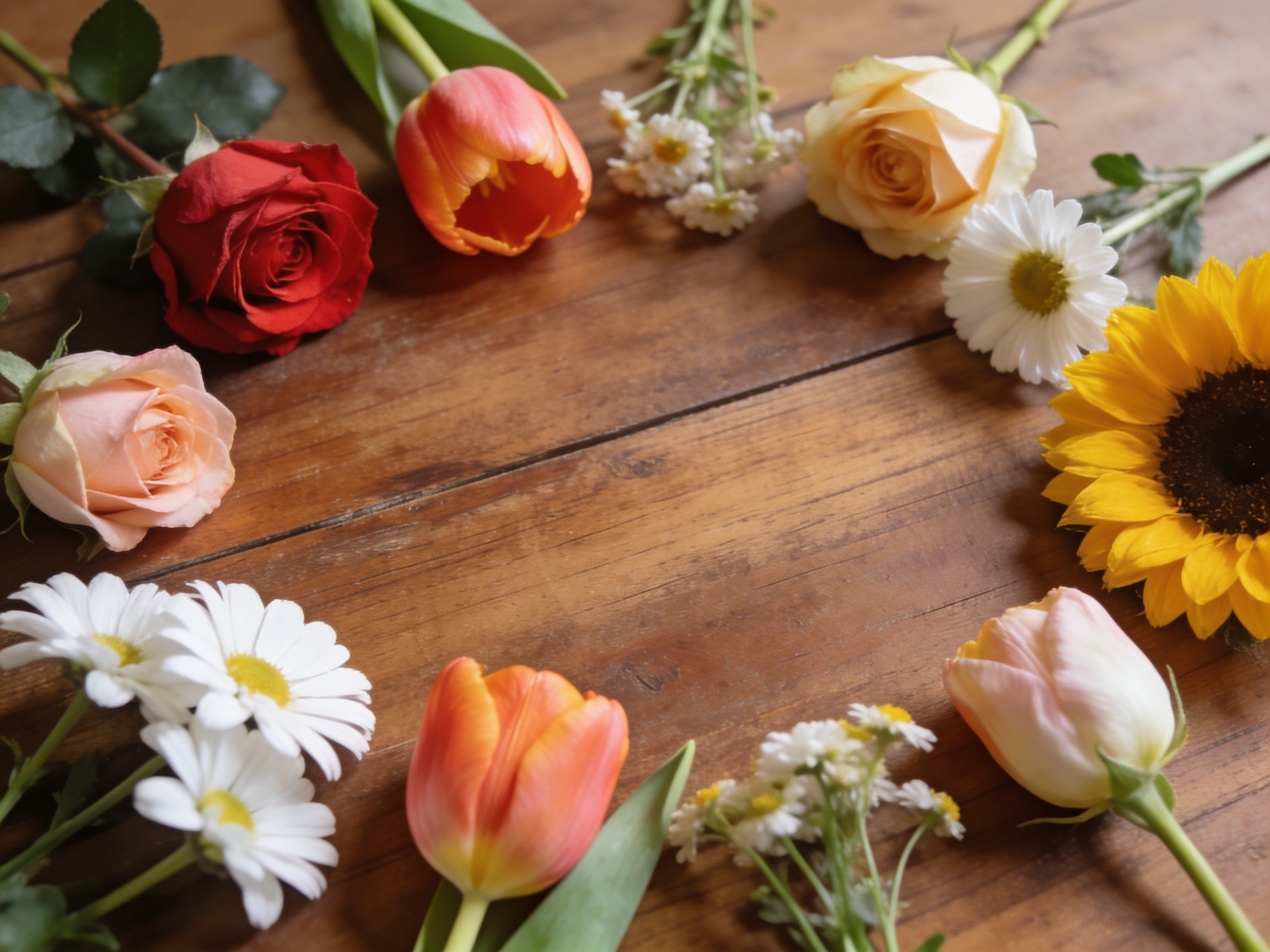
Roses pair naturally with baby's breath, carnations, tulips, and daffodils — classic combinations that let each flower's color stand out against the others. More unusual choices, like bird-of-paradise or gladiolus, add drama when mixed with familiar garden flowers, and work well in a corner of the bed reserved for a bolder color statement.
Choose flowers that bloom in different seasons and you'll have color in the garden nearly year-round, rather than one big flush followed by a long stretch of green.