Tips for Growing Orchids
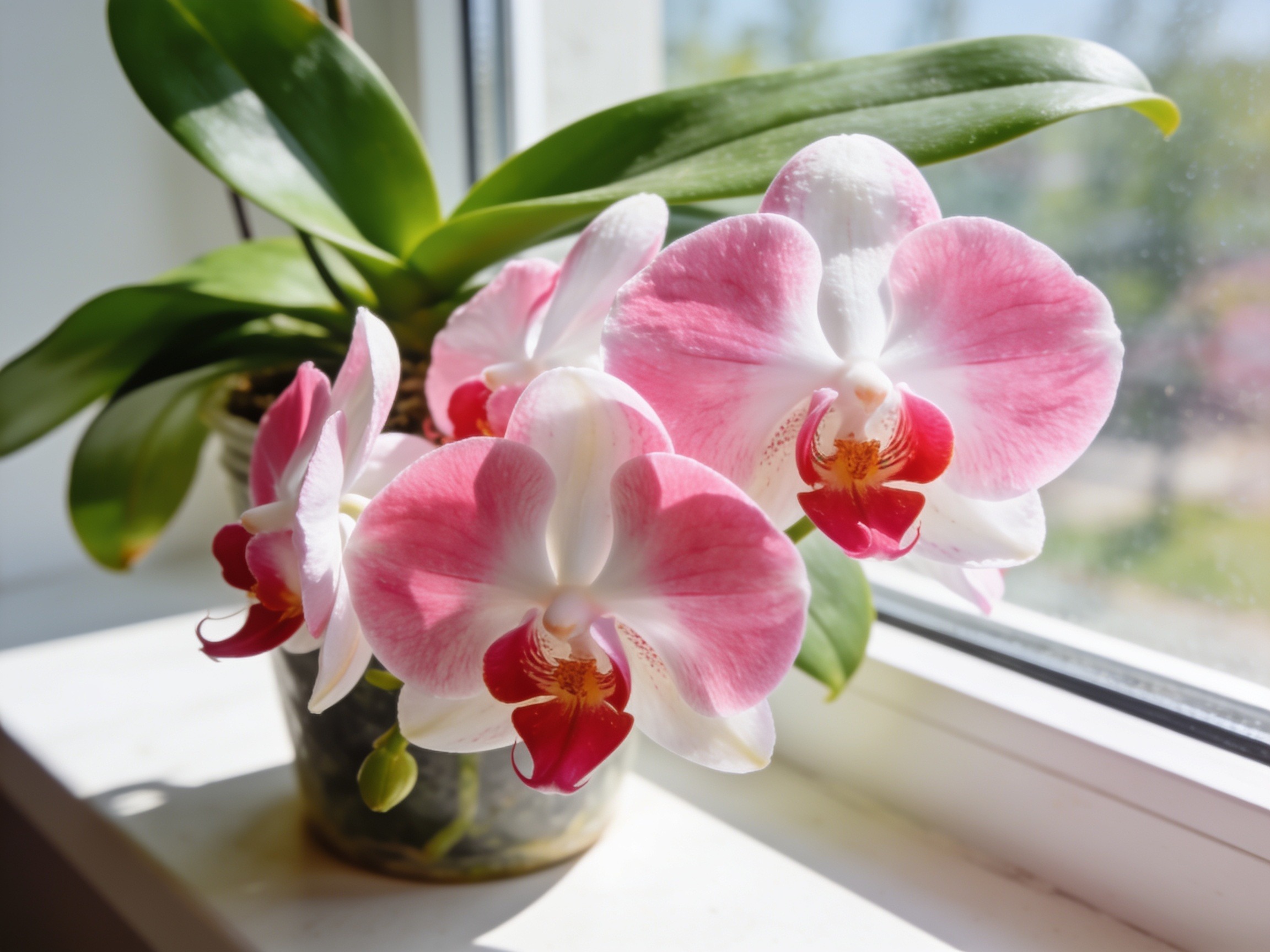
Orchids have a reputation for being finicky, but most popular houseplant orchids actually thrive with a fairly simple, consistent routine once their basic needs are understood.
Light and Watering Basics
Bright, indirect light — never direct hot sun — suits most common orchids, and a spot near an east or filtered south-facing window usually works well. Watering thoroughly but infrequently, letting the roots dry out somewhat between waterings, mimics the wet-dry cycle orchids experience in the wild far better than a constantly damp environment.
Orchid-specific potting mix, usually made of bark chips rather than soil, provides the airy drainage most orchid roots need to avoid rot.
Silvery-green, plump roots indicate a healthy, well-hydrated orchid, while shriveled gray roots signal it's time to water.
Rebloom Patience
After a phalaenopsis orchid finishes blooming, cutting the flower spike back to just above a node can sometimes trigger a second bloom, though rest periods without flowers are normal and not a sign of a problem.