Timing a seed's start date around your last frost is the single most important variable in successful sowing.
Working Backward from Last Frost
Seed packets typically list a start time relative to your area's average last frost date — "start indoors 6-8 weeks before last frost" is a common instruction. Knowing your local last frost date is the foundation for timing nearly every seed-starting decision.
Indoor Starting vs. Direct Sowing
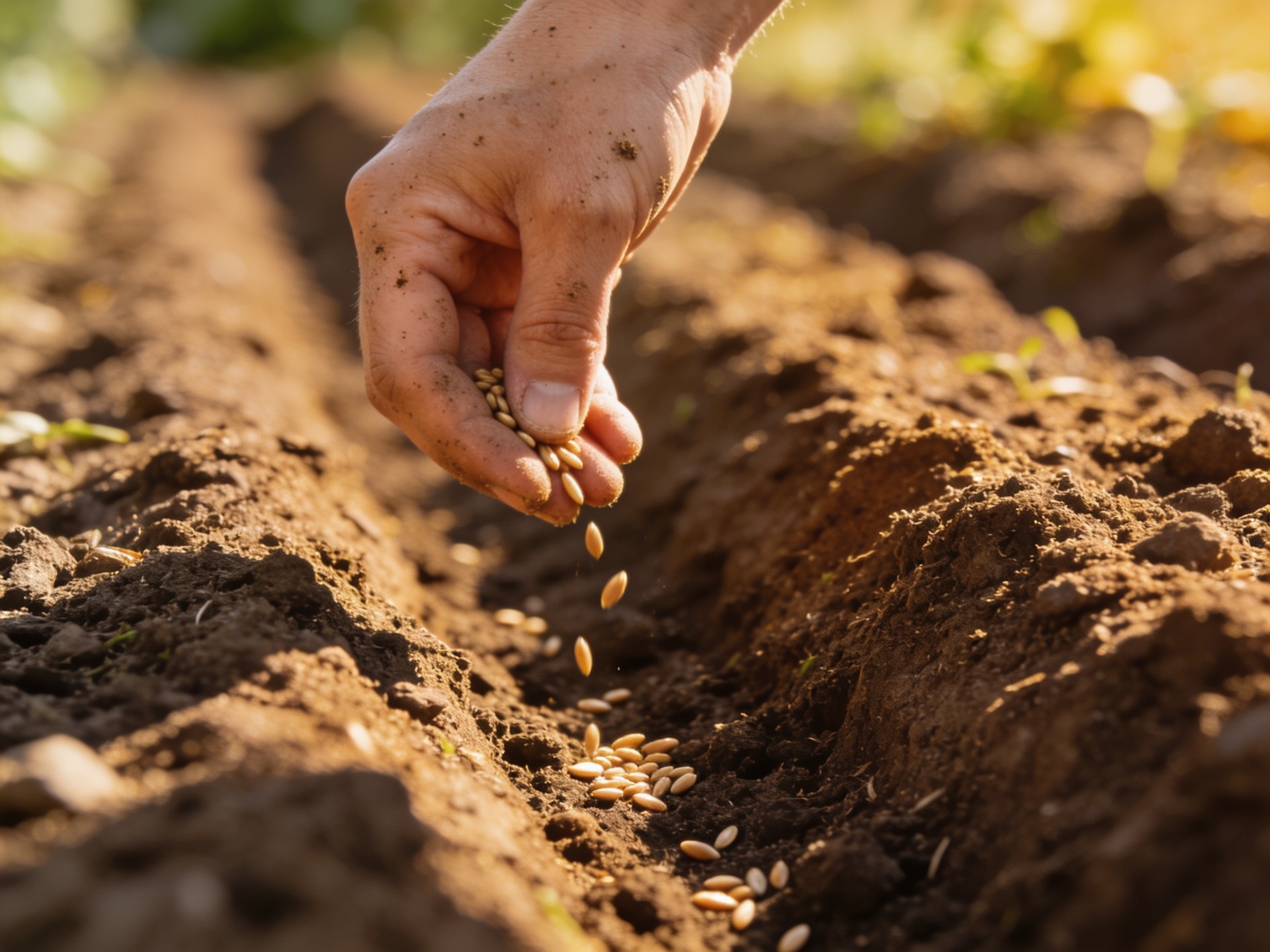
Slow-growing or heat-loving plants like tomatoes and peppers benefit from an indoor head start, while fast growers or plants that resent transplanting, like beans, carrots, and root vegetables, generally do better sown directly in the garden once the soil has warmed.
Succession Sowing for a Longer Harvest
Sowing a new round of fast-maturing crops like lettuce or radishes every couple of weeks, rather than all at once, spreads the harvest out over a much longer window instead of everything coming ready at the same time.