Own-Root Roses or Grafted Roses
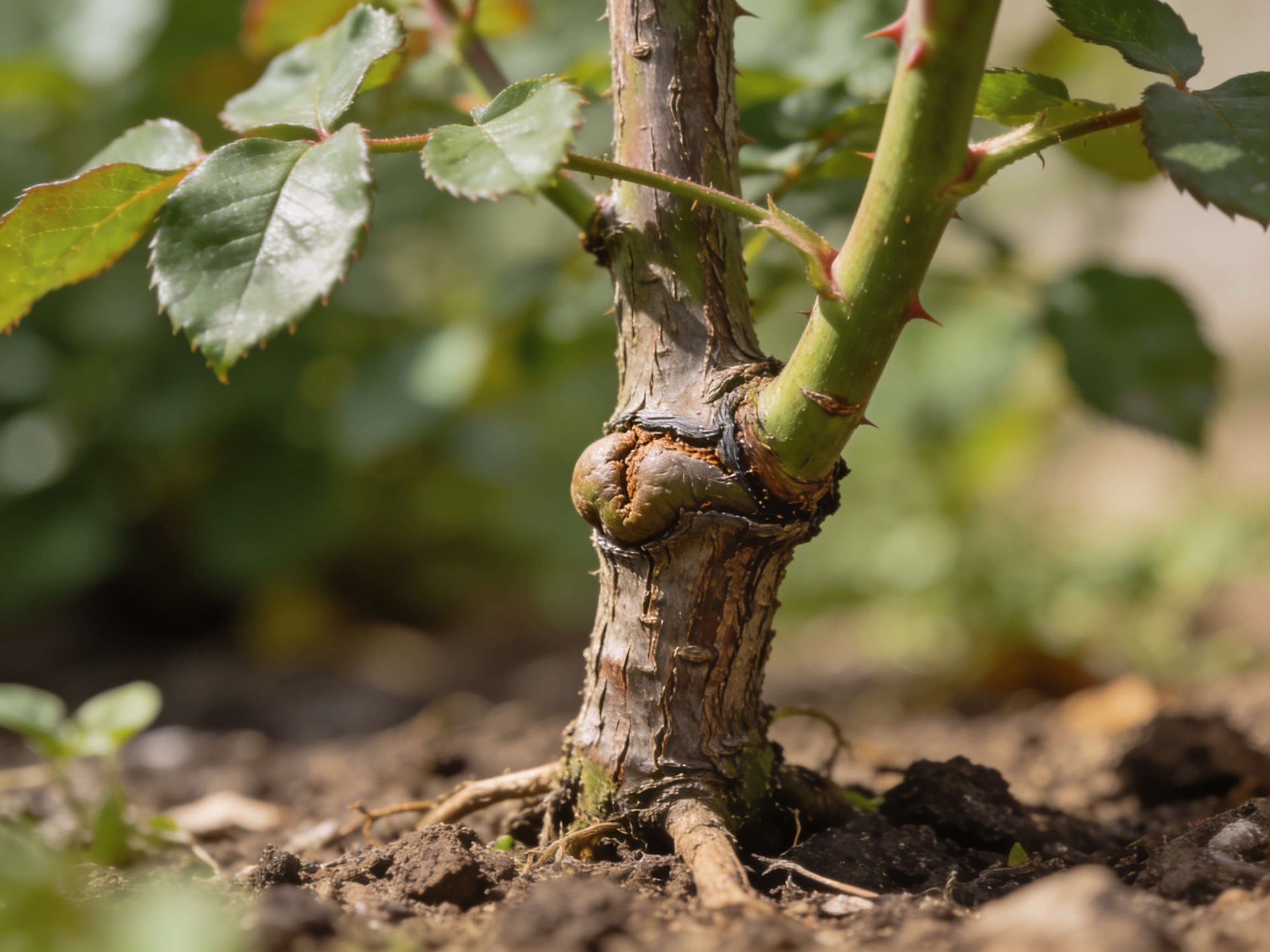
Whether a rose grows on its own roots or is grafted onto a different rootstock affects its cold hardiness, longevity, and how it behaves if the top growth is ever severely damaged.
What Grafting Means
A grafted rose has its desired variety's stem joined onto the roots of a different, often hardier or more vigorous rose species, creating a visible graft union near the base. This practice lets growers combine a beautiful bloom variety with a tougher root system, but it also means any growth from below the graft is actually the rootstock, not the desired variety.
Own-root roses, grown entirely from their own cutting rather than grafted, produce only the true variety from any growth, including suckers.
In cold climates where the top growth of a grafted rose might die back to the ground in a severe winter, an own-root rose will regrow as the true variety, while a grafted one will regrow as its rootstock instead.
Which to Choose
Own-root roses are often considered more reliable long-term in harsh winter climates for exactly this reason, while grafted roses can offer more vigorous growth in milder climates where winter dieback isn't a concern.