Planting Times for Garden Vegetables
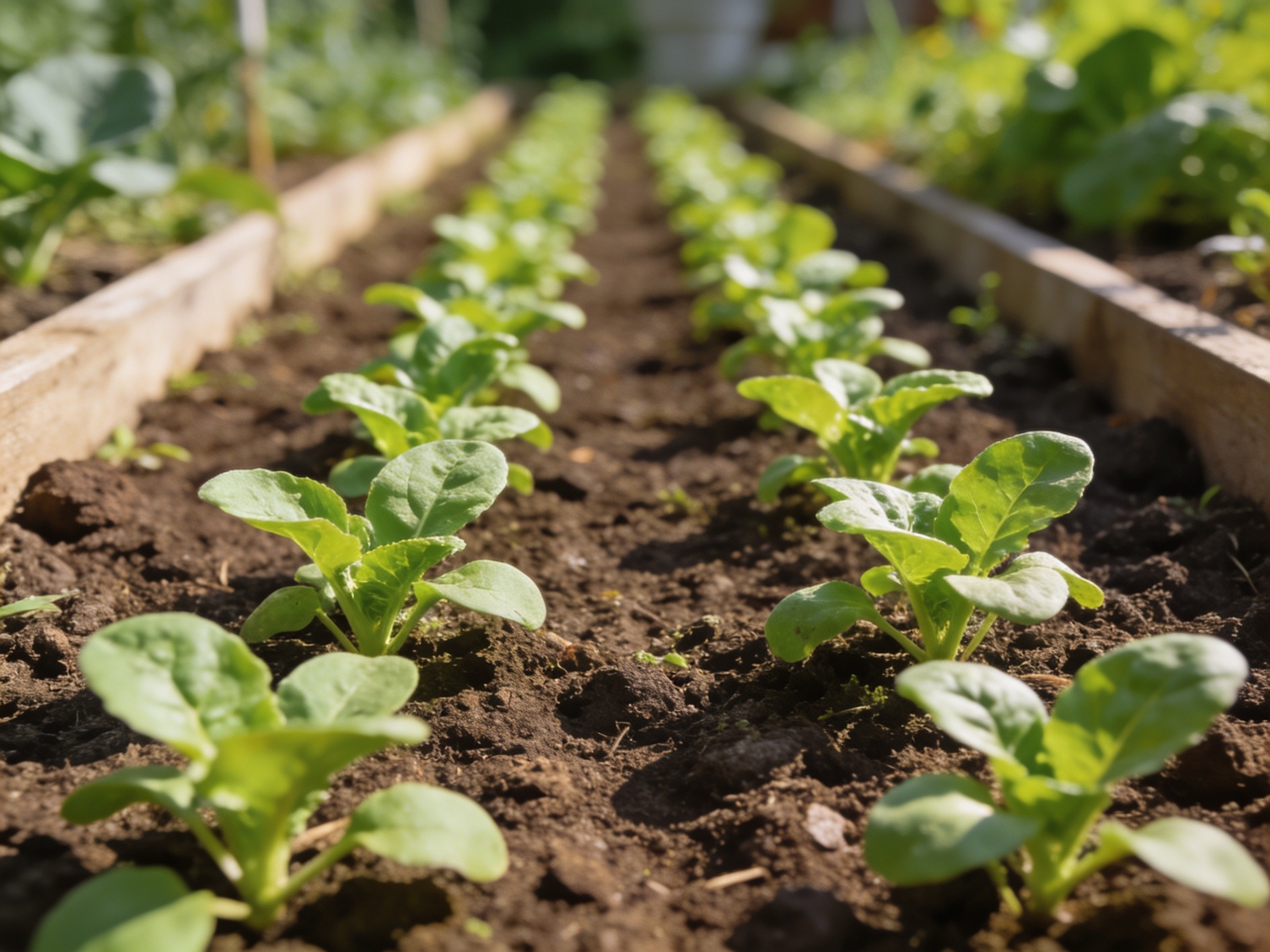
Vegetables split neatly into two camps — cool-season and warm-season — and knowing which is which settles most timing questions on its own.
Cool-Season vs. Warm-Season
Cool-season vegetables — beets, broccoli, cabbage, carrots, cauliflower, lettuce, onions, peas, potatoes, radishes, and spinach — need cool soil and air to grow well, and most tolerate a light frost. Warm-season vegetables — beans, cantaloupe, corn, cucumbers, eggplant, melons, pumpkins, squash, sweet potatoes, tomatoes, watermelon, and zucchini — need warm soil and air, and most won't survive a light frost at all. Treat any planting chart or seed packet date as a guideline rather than a rule; local soil warming and conditions always shift the real window.
A Rough Monthly Guide
Root vegetables like radishes, onions, potatoes, and carrots go in around April — radishes are ready in as little as 30 days, while potatoes can take up to 150. Lettuce and cabbage can also go in April, but cauliflower and broccoli should wait for May. Pumpkins, squash, and melons want May planting and four to five months to reach harvest; corn goes in May too, with new plantings staggered every two weeks for a rolling harvest two to three months later. Peas go in April and are ready in about 60 days, with new plantings added every two weeks after the first.
Staggering plantings every couple of weeks for fast-maturing crops like peas and corn spreads your harvest out instead of overwhelming you all at once.