Planting Herbs
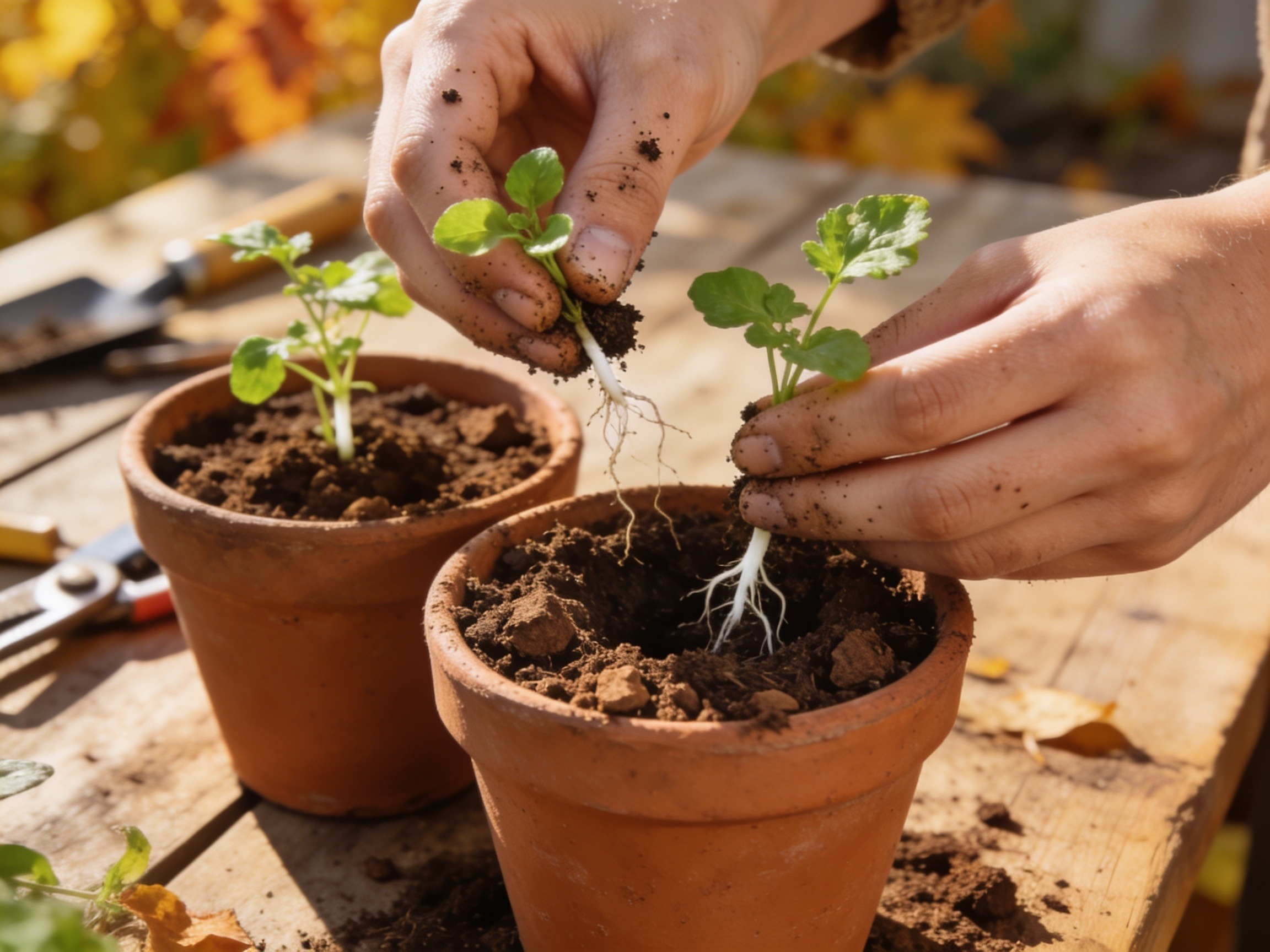
If spring or summer herb planting hasn't gone well for you, the timing may be the problem — fall is often the better window.
Why Fall Works Better
Herbs are delicate plants, and summer's heat and humidity make it hard for them to get established, let alone survive. Fall's cooler weather suits most herbs much better — they want plenty of sun (5–6 hours a day for most, though parsley and mint prefer shade) without the punishing humidity that comes with peak summer sun. This mainly applies outside colder zones 1–5, where spring and summer are already cool enough and fall arrives too quickly for new plantings to establish.
Starting Small and Moving Indoors
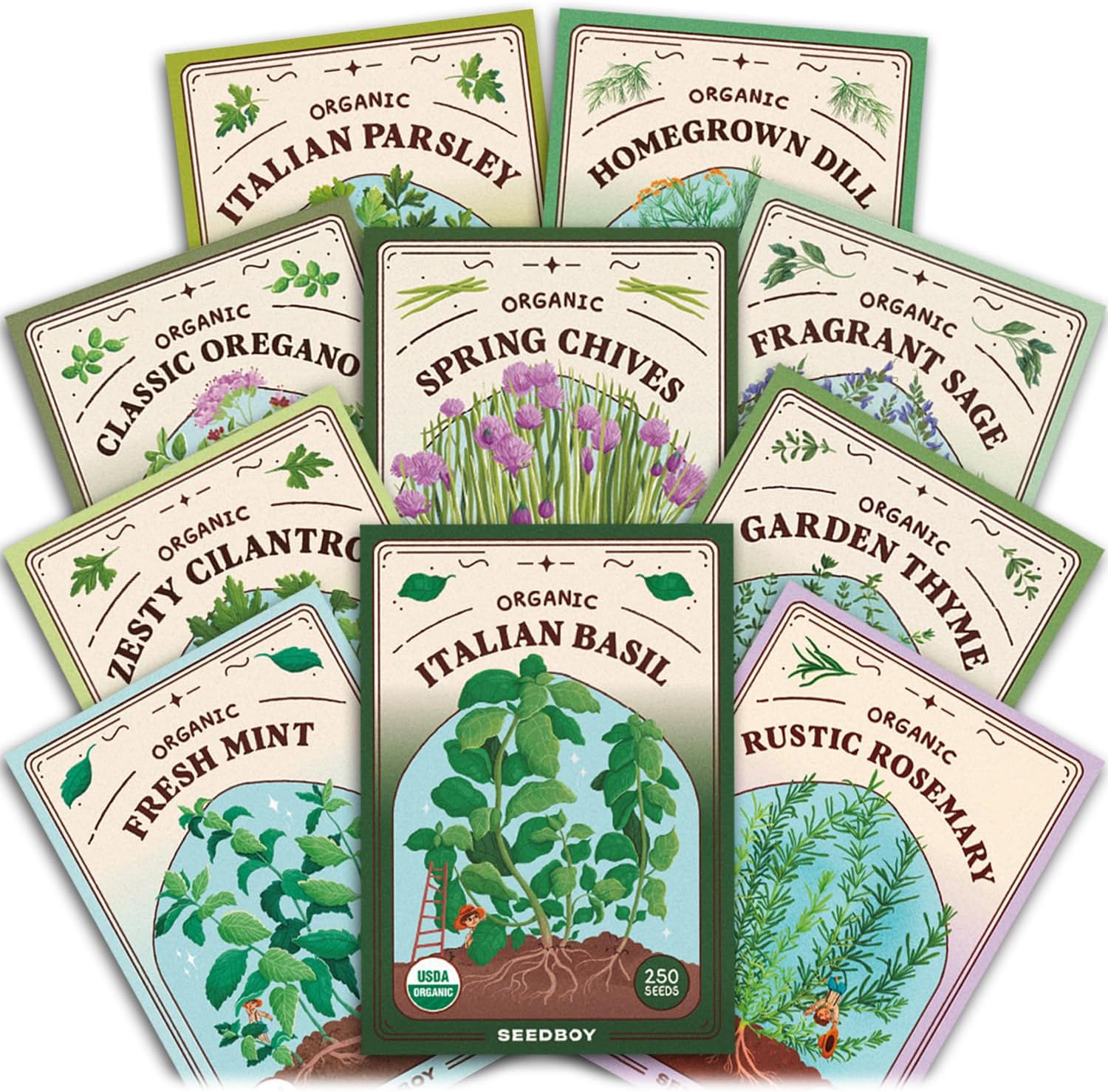
Start herbs from seed in small pots rather than direct in the ground — their fragility means a rough start outdoors often fails. Containers also mean you can move plants to a greenhouse or a sunny window if the weather turns, then transplant to the ground in spring. Perennial bulb herbs like garlic, fennel, saffron, and shallots should go into the ground 6–8 weeks before the first freeze, giving roots time to establish before dormancy. Popular annual herbs include basil, borage, cilantro, chamomile, and rosemary; parsley, sage, and mint are common perennials and biennials.
Herbs planted in fall get a head start on roots, so by the time summer heat arrives they're established enough to handle it — and to dry well for storage.