Plant Food
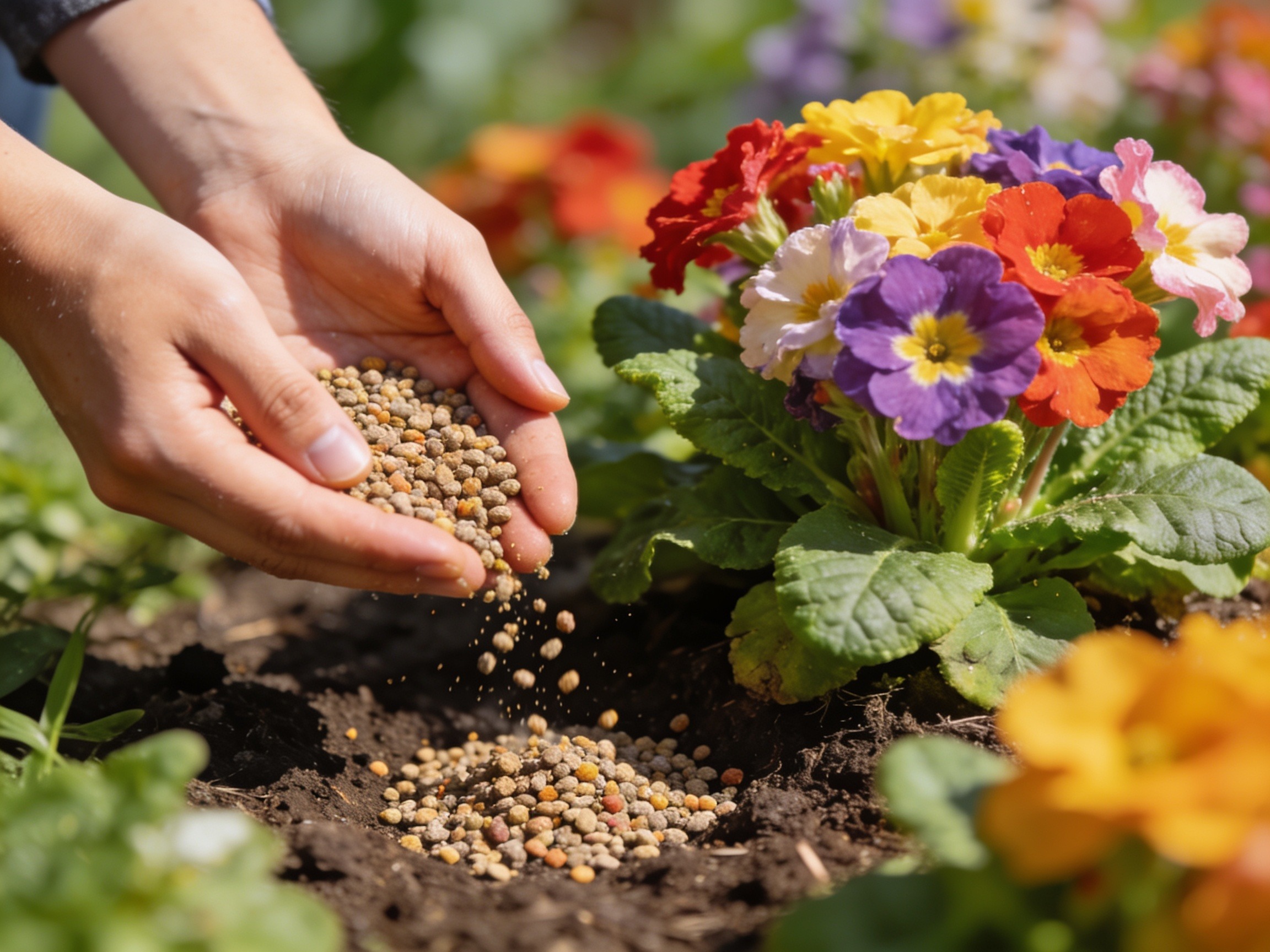
"Plant food" and "fertilizer" are often used interchangeably, though technically plants make their own food through photosynthesis — what we're really supplying is the raw mineral nutrients that process depends on.
The Core Nutrients
Nitrogen, phosphorus, and potassium are the "big three" listed on every plant food label, supporting leafy growth, root and flower development, and overall plant health respectively. Many products also include smaller amounts of micronutrients like iron, calcium, and magnesium, needed in trace amounts but still essential.
Different plant types have different nutrient needs — flowering plants generally want more phosphorus, while leafy greens benefit from extra nitrogen.
Feed during a plant's active growing season only — most plants don't need supplemental feeding during winter dormancy, and doing so can push weak growth at the wrong time.
Signs of Nutrient Deficiency
Yellowing older leaves often point to a nitrogen shortage, weak flowering can signal low phosphorus, and browning leaf edges are a common sign of potassium deficiency. Reading these signals correctly helps target a fix rather than guessing with a generic feed.