Planning a Perennial Garden
A little planning before the first plant goes in the ground saves years of moving things around later — bloom time, mature size, and color all matter more than they might seem to at planting time.
Mapping Bloom Times
Most individual perennials bloom for only a few weeks, so a bed planted with only one bloom period in mind can look empty the rest of the season. Choosing a mix of spring, summer, and fall bloomers keeps a bed visually interesting from one season to the next.
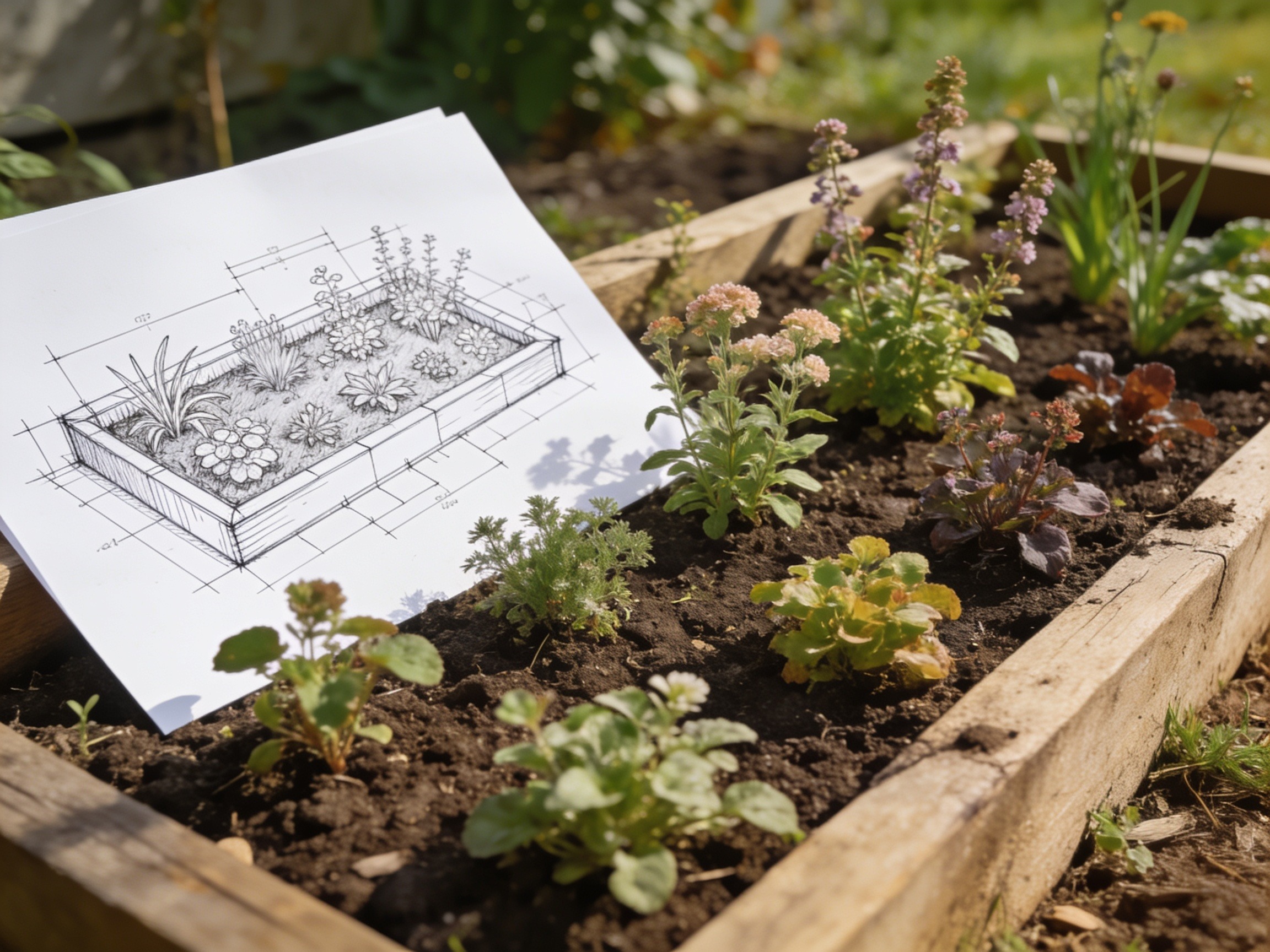
Sketching a rough plan — even just a simple grid on paper — with bloom times noted next to each plant makes gaps in coverage easy to spot before anything is planted.
Plant in odd-numbered groupings of three or five, rather than single specimens scattered around — it reads as more intentional and gives each bloom period more visual impact.
Planning for Mature Size
A small perennial in a nursery pot can be deceiving — always plan spacing around the plant's mature width, not its current size, to avoid a crowded bed within a couple of seasons. Taller plants generally belong toward the back of a bed, with shorter ones layered in front.