Nitrogen
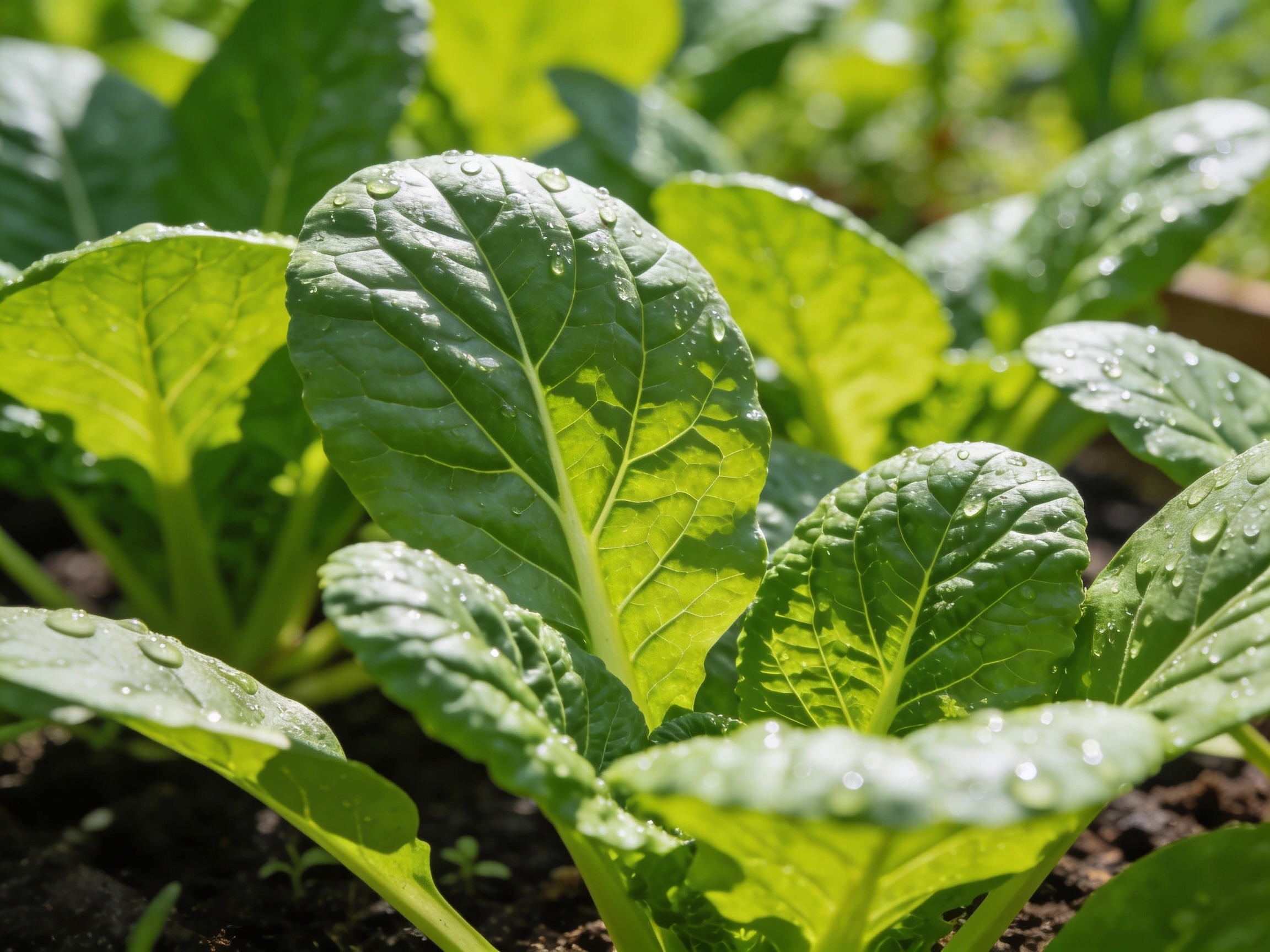
Nitrogen is the nutrient most responsible for leafy, green growth, making it one of the three core building blocks of plant nutrition alongside phosphorus and potassium. Too little shows up fast; too much causes its own set of problems.
Spotting a Deficiency
Nitrogen-deficient plants typically show pale or yellowing older leaves first, along with slow, stunted growth. Since nitrogen is mobile within a plant, it moves from older leaves to support new growth when in short supply, which is why the yellowing tends to start at the bottom of the plant.
Nitrogen leaches out of soil quickly, especially in sandy soil or after heavy rain, so it's one of the more commonly deficient nutrients in a garden.
Composted manure, blood meal, and fish emulsion are all good organic sources of nitrogen for gardeners who prefer to avoid synthetic fertilizers.
Too Much Is a Problem Too
Excess nitrogen pushes lush, leafy growth at the expense of flowers and fruit, and can make plants more vulnerable to pests and disease due to soft, weak tissue. This is a common issue for flowering and fruiting plants fed a fertilizer meant for leafy greens or lawns.