Marigold (Calendula)
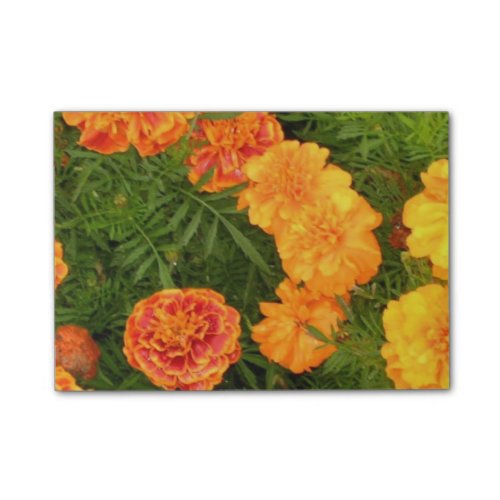
The culinary "marigold" of the herb garden is usually pot marigold, or calendula (Calendula officinalis) — a different plant from the common bedding-plant marigolds (Tagetes) sold at garden centers. Calendula's cheerful orange and yellow petals have a long history as both a dye and a mild culinary flavoring.
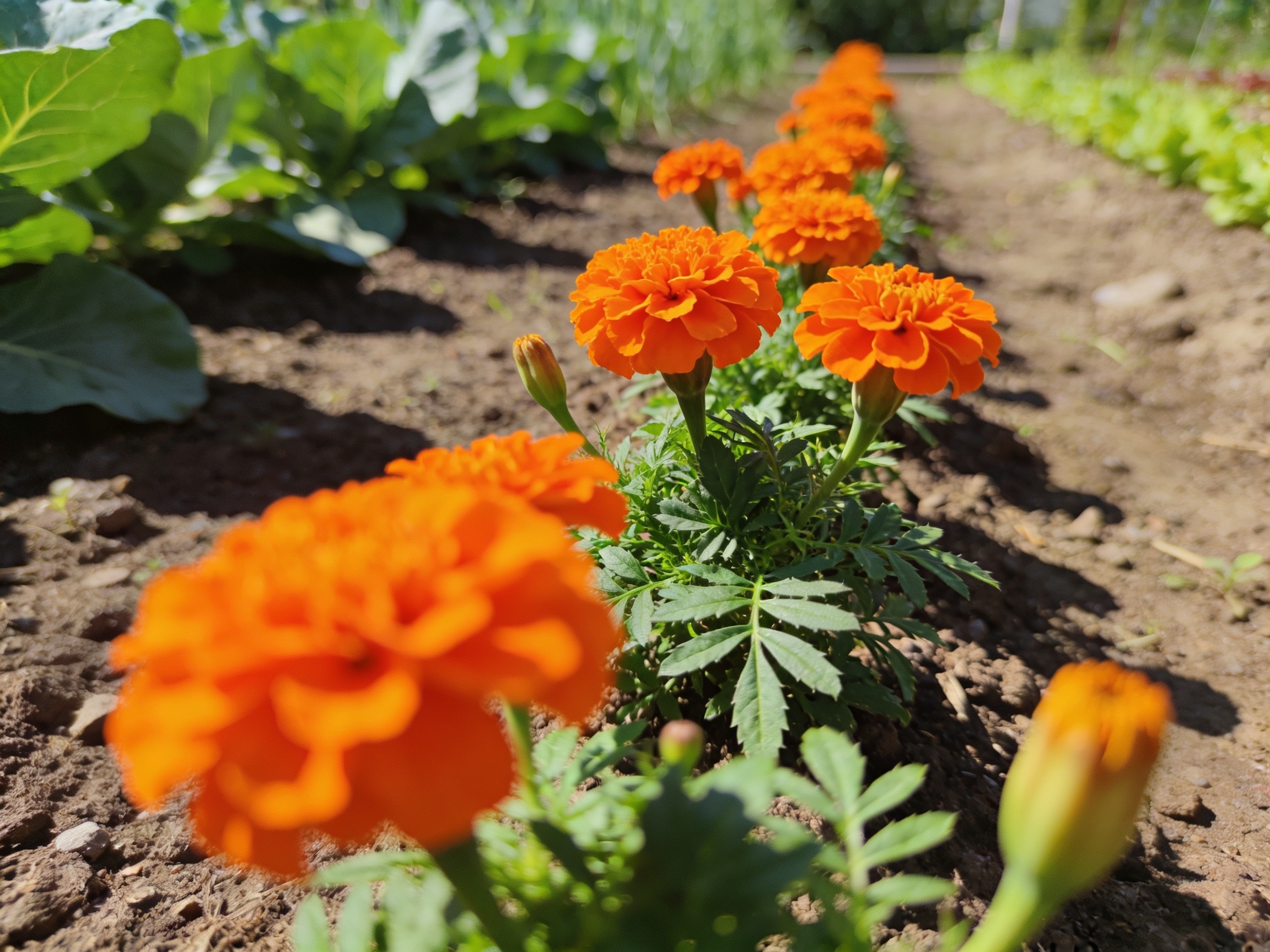
Growing Calendula
Calendula is easy, fast, and cold-tolerant, often blooming reliably from spring through the first hard frost with only minimal care. Deadheading spent flowers keeps new blooms coming, and the plant self-seeds readily, often returning on its own the following spring in mild climates.
Culinary & Traditional Uses
Calendula petals bring a mild, faintly peppery flavor and vivid golden color to rice, soups, and salads, and have historically been used as a budget-friendly substitute for saffron's coloring power (though not its flavor). The petals are also a traditional ingredient in homemade salves and skin balms.
Only the petals are typically eaten — pull them from the bitter central flower head before adding them to a dish.