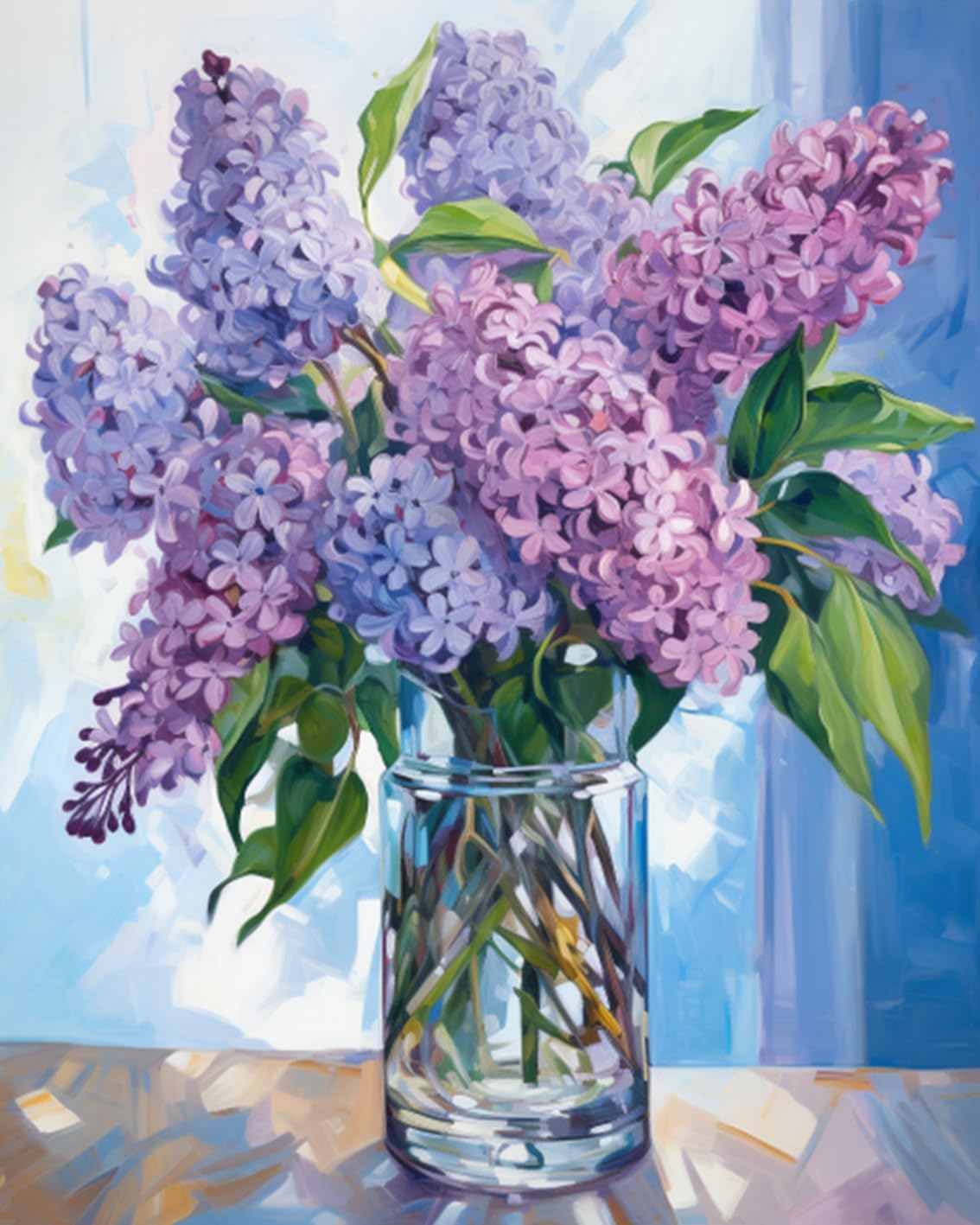
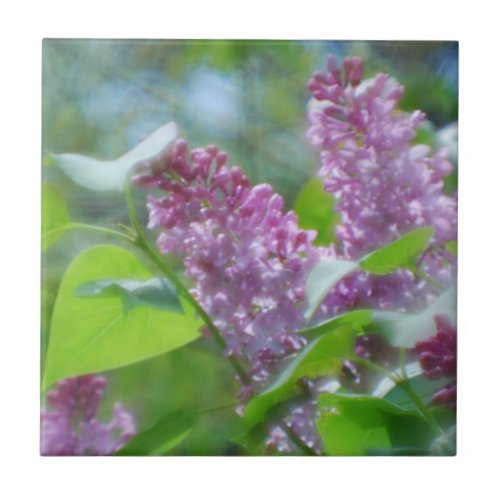
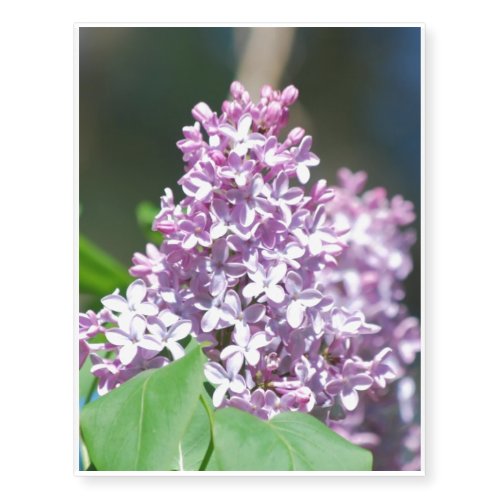
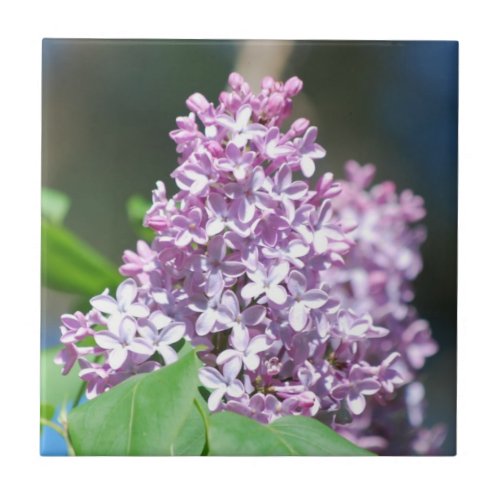
Lilac's cone-shaped flower clusters release one of the most instantly recognizable scents in the garden, a perfume so beloved that a single blooming shrub can define the smell of spring for an entire yard.
Native to the Balkans, lilac has been a beloved cold-climate garden shrub for centuries, needing a real winter chill to set its flower buds — a trait that makes it a poor fit for warm-winter climates but a spring staple almost everywhere else.
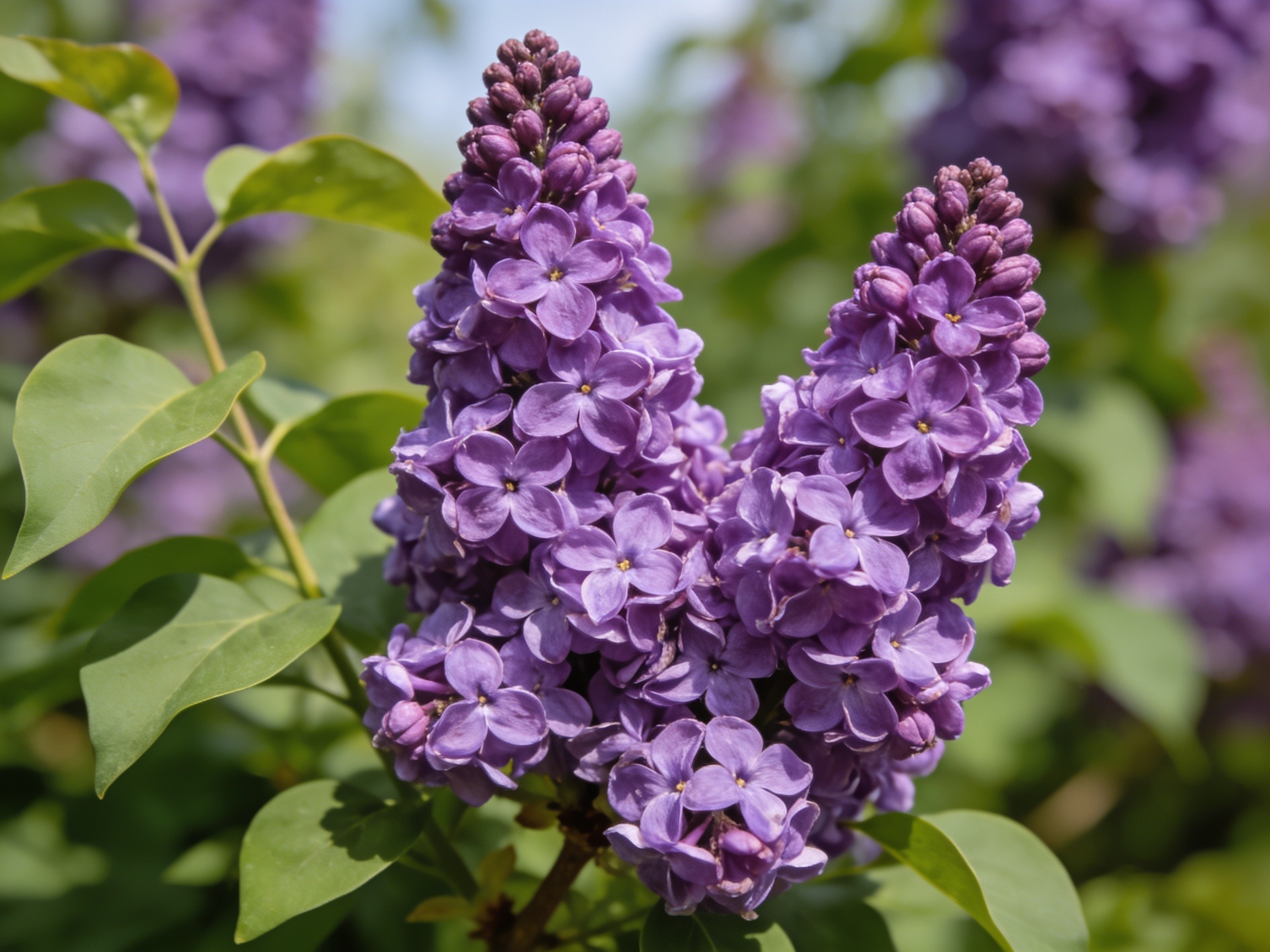
Lilac wants full sun — at least six hours a day — for the best flowering, along with well-draining, slightly alkaline soil. Prune right after flowering, since next year's buds form on old wood; pruning later in the season removes the following spring's blooms.
Lilac symbolizes the first emotions of love and youthful innocence, and in Victorian flower language, giving someone lilac was a gentle way to say "you're my first love."