A healthy lawn comes down to a handful of consistent habits repeated through the season, more than any single fix — proper mowing height, timely feeding, and adequate water do most of the heavy lifting.
Overwatering, cutting grass too short, and skipping fall fertilization are among the most common lawn care mistakes, often doing more damage than the weeds or pests they're meant to prevent.
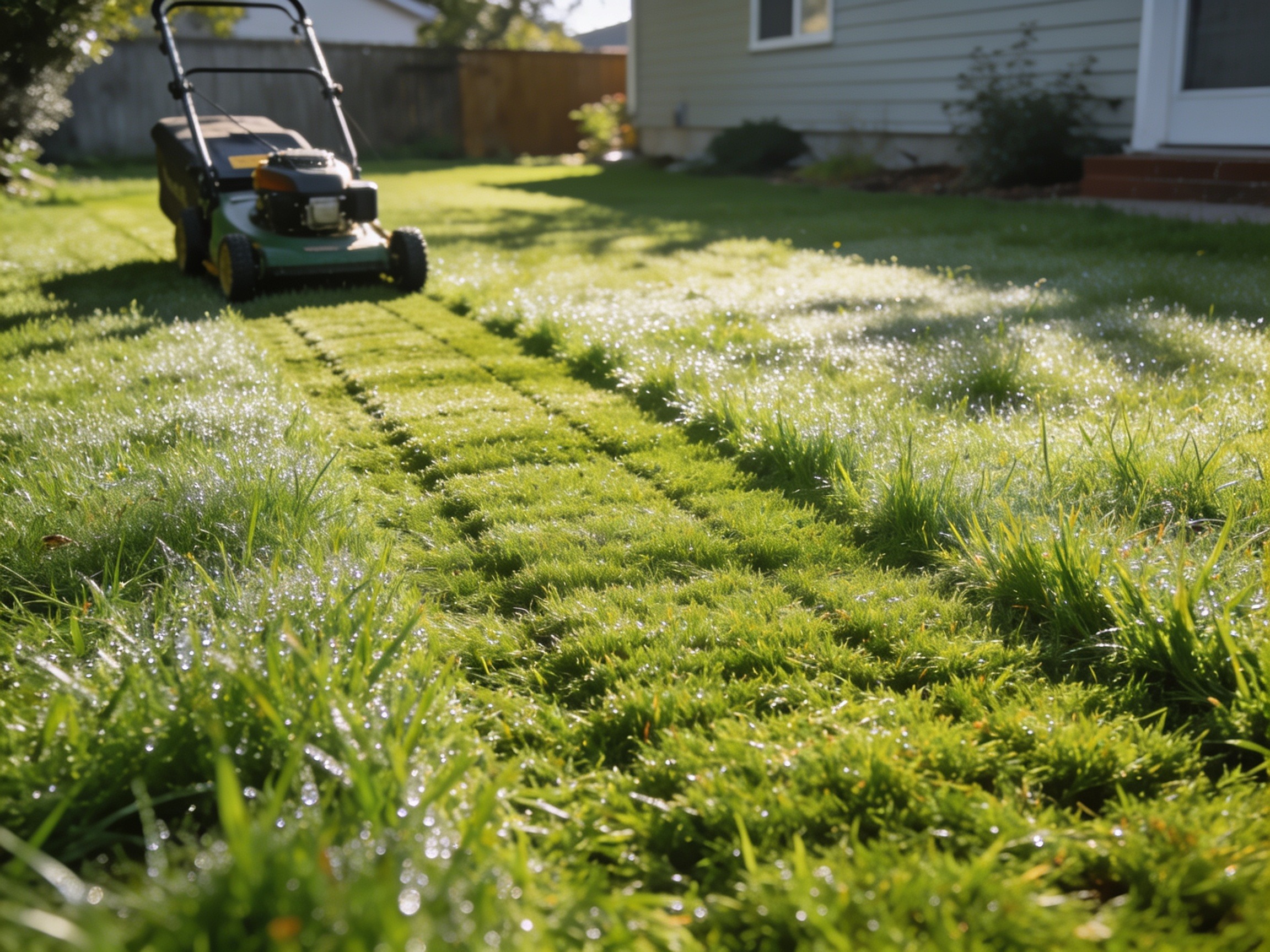
Mow regularly at the right height for your grass type, water deeply but infrequently to encourage deep roots, and fertilize on a schedule matched to your grass's growing season. Aerating compacted soil and overseeding thin patches once a year keeps a lawn thick enough to naturally crowd out most weeds.
Leaving grass clippings on the lawn after mowing (rather than bagging them) returns nitrogen and organic matter to the soil, acting as a free, mild fertilizer over time.