Late Spring Garden Hints
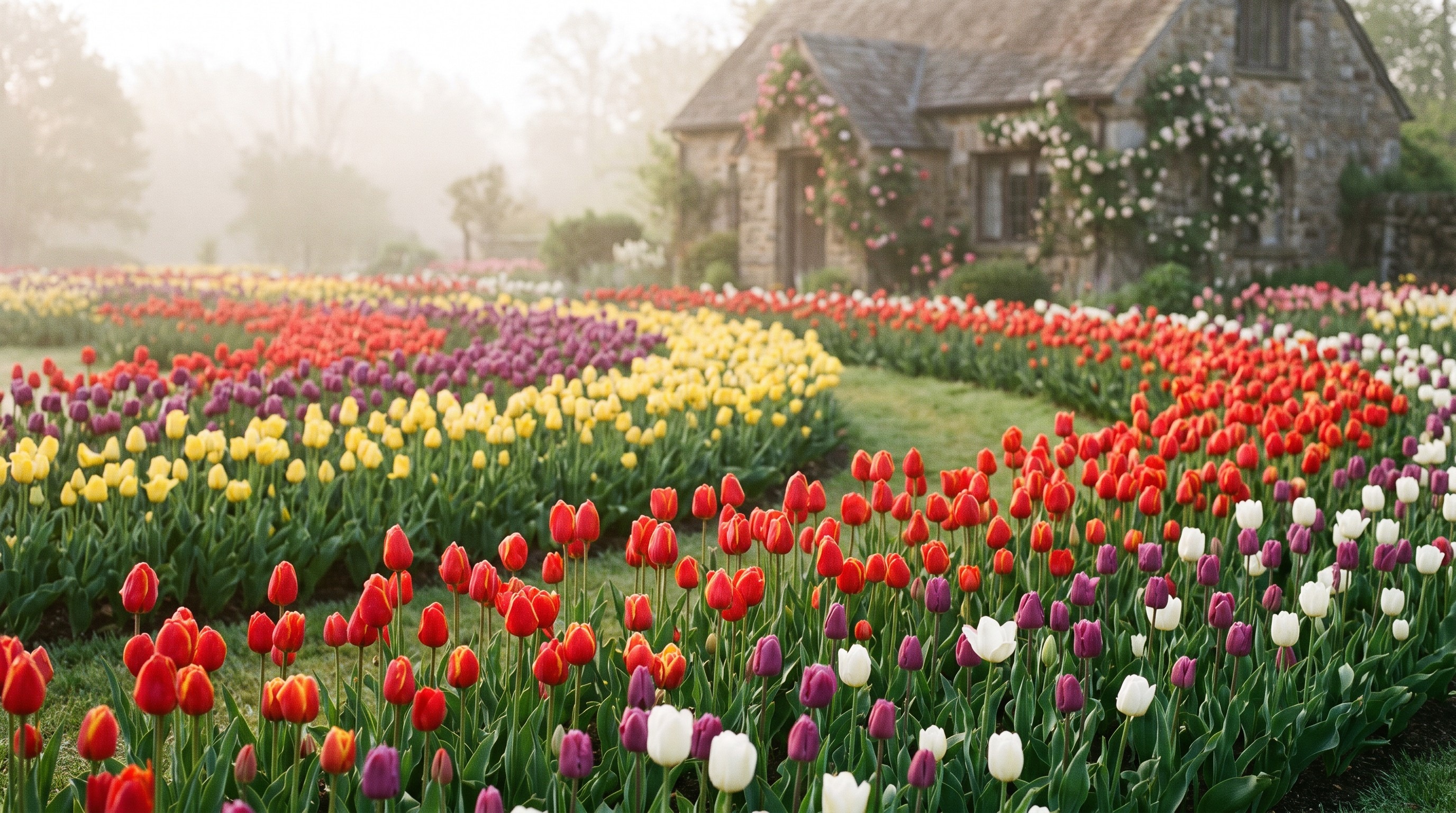
Late spring is a transition point in the garden — early bulbs are finishing up just as summer perennials and annuals are ready to take over.
Handling Fading Spring Bulbs
Let tulip and daffodil foliage yellow and die back naturally rather than cutting it early — it's still feeding the bulb for next year's bloom. Interplanting bulbs among later-emerging perennials, which fill in and hide the fading leaves, solves the awkward appearance without sacrificing next year's flowers.
Getting Summer Annuals in the Ground
Once the danger of frost has fully passed, late spring is prime time to transplant tender annuals and warm-season vegetables that were started indoors. Harden off any indoor-grown seedlings first by gradually introducing them to outdoor conditions over a week or so.
Late spring is also the ideal window to divide overcrowded spring-blooming perennials, once flowering has finished but before summer heat sets in.
Staying Ahead of Pests
Warming weather brings the first wave of aphids, slugs, and other early-season pests — checking new growth regularly catches problems while they're still small and easy to manage by hand.