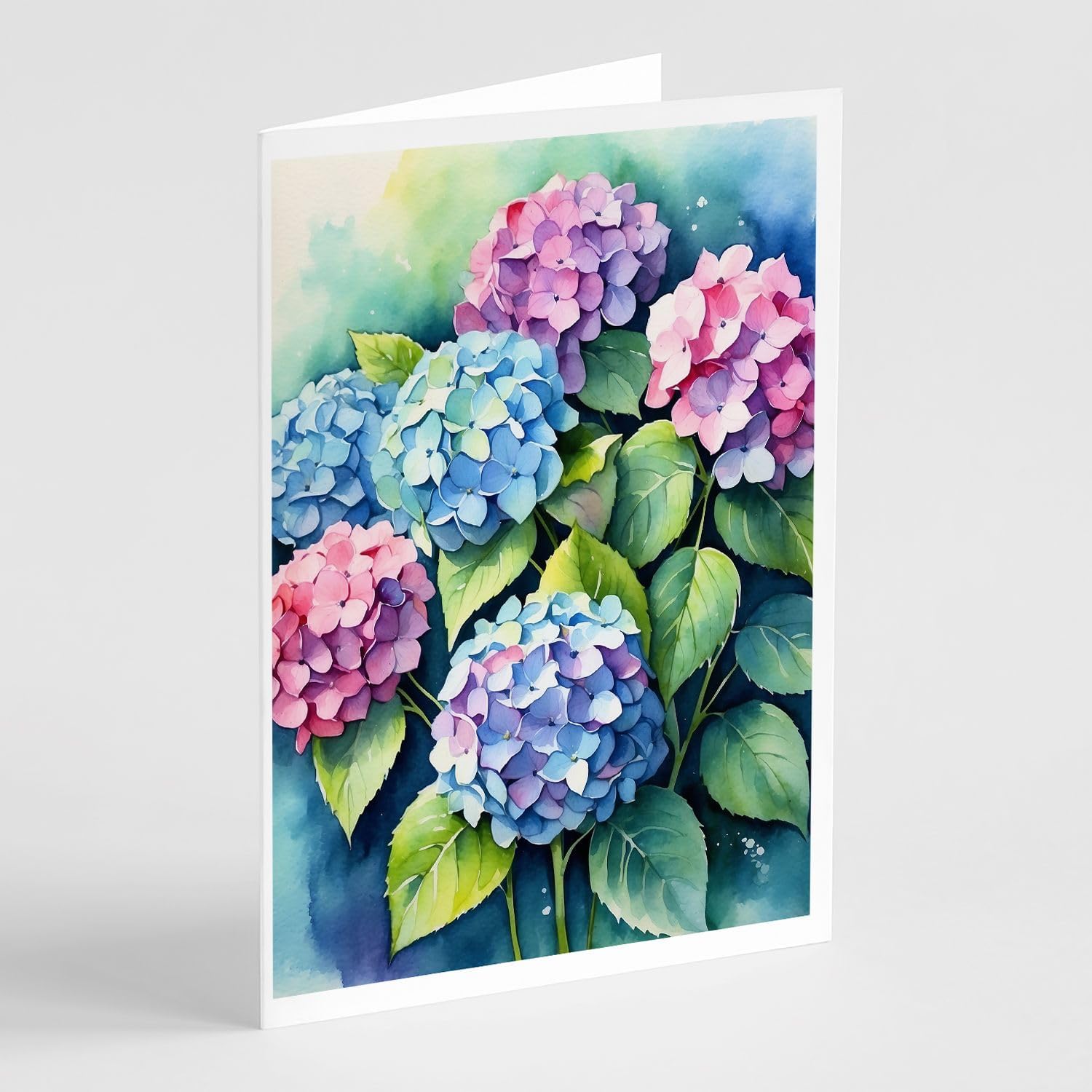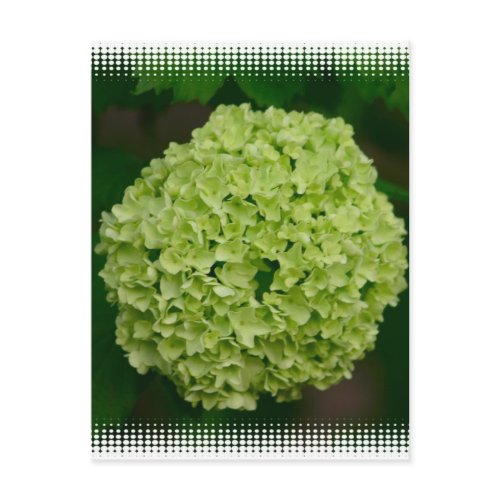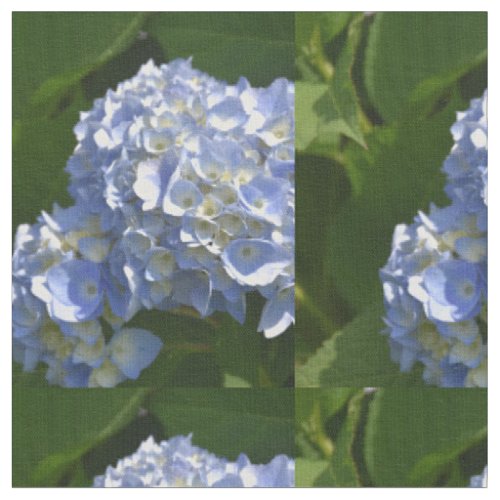
Hydrangeas
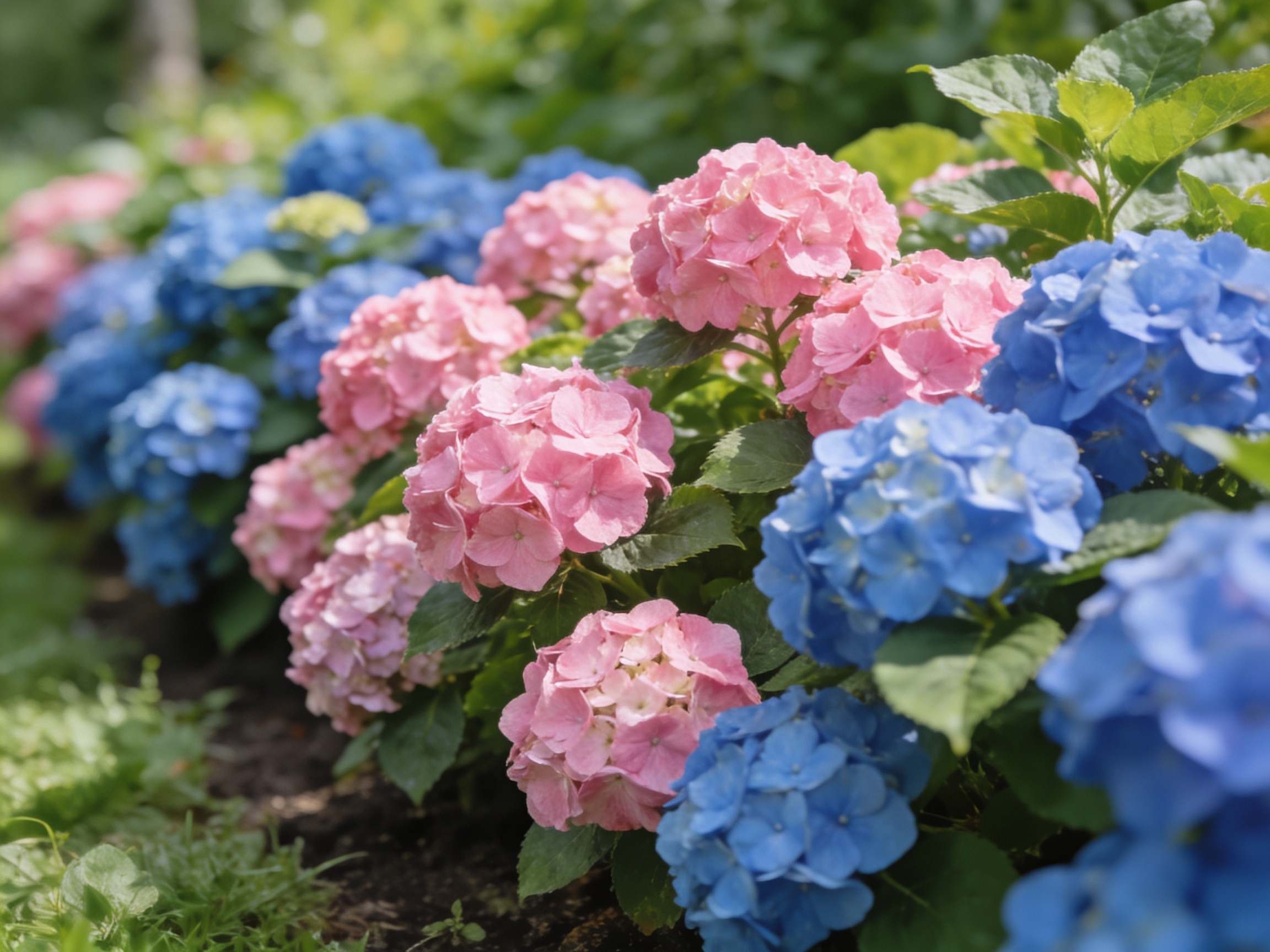
Of the many hydrangea species, only about five are widely grown in the U.S.: climbing hydrangea vines, oakleaf, paniculata, mophead, and lacecap — each with its own look, but all reliably showy.
Telling Them Apart
Climbing hydrangea vines attach themselves directly to a wall, fence, or tree without needing a trellis, producing white, cream, or pastel flowers. Mophead and lacecap types deliver the brightest colors — blue, pink, purple, and white — with mophead growing as a rounded bush and lacecap as more of an airy shrub. Oakleaf hydrangea stands out for its foliage as much as its white (sometimes aging to pink) blooms, with oak-shaped leaves that turn red, burgundy, and orange in fall. Paniculata produces cone-shaped flower clusters that start white and blush pink as they age.
Care and Drying
Most hydrangeas want moist, well-drained soil, morning sun with afternoon shade, and regular fertilizer to keep blooming well — full shade tends to limit flowering across the board. Prune to remove dead blooms and stems, following the specific timing recommended for your variety. Hydrangeas also dry beautifully: cut stems just before the top blooms fully open, strip the leaves, and stand them in a few inches of water in a tall vase set somewhere cool and dark. As the water evaporates naturally, the blooms dry in place — ready for wreaths, arrangements, or other craft projects.
Check your hardiness zone against a variety's recommended range before planting — not every hydrangea tolerates the same climate extremes, and oakleaf in particular handles heat better than most.