How to Start a Home Garden
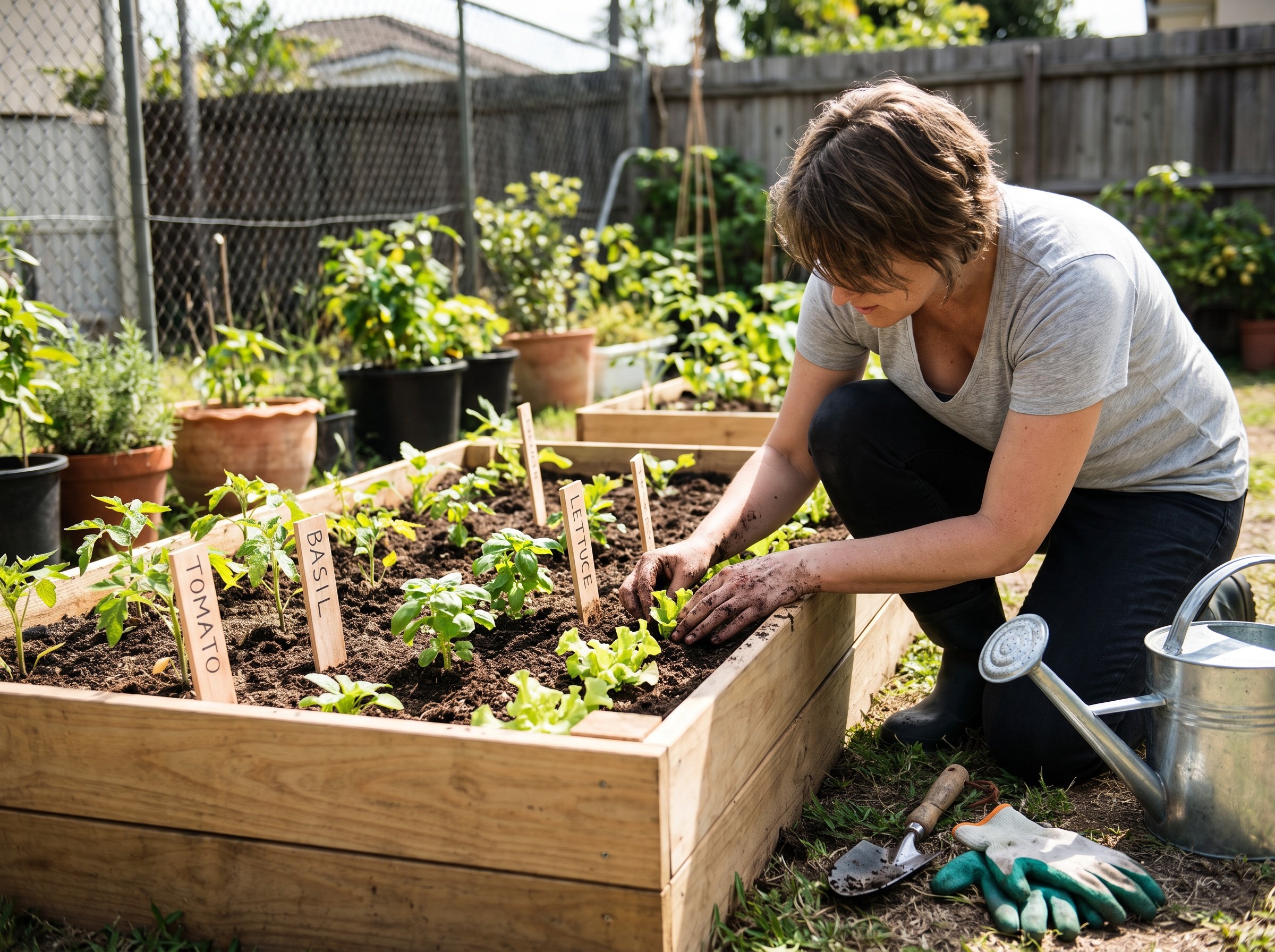
A garden takes real work, but it pays that effort back many times over. A few fundamentals make the difference between a frustrating first season and an enjoyable one.
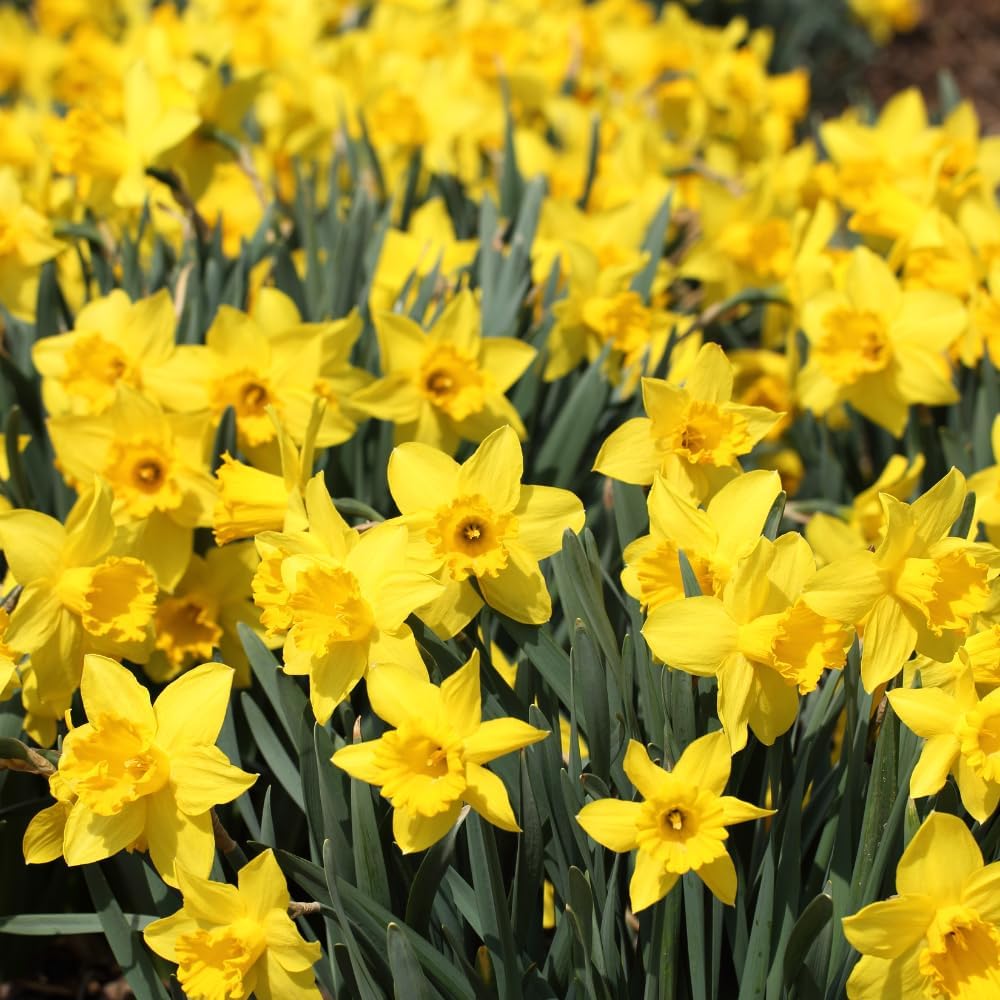
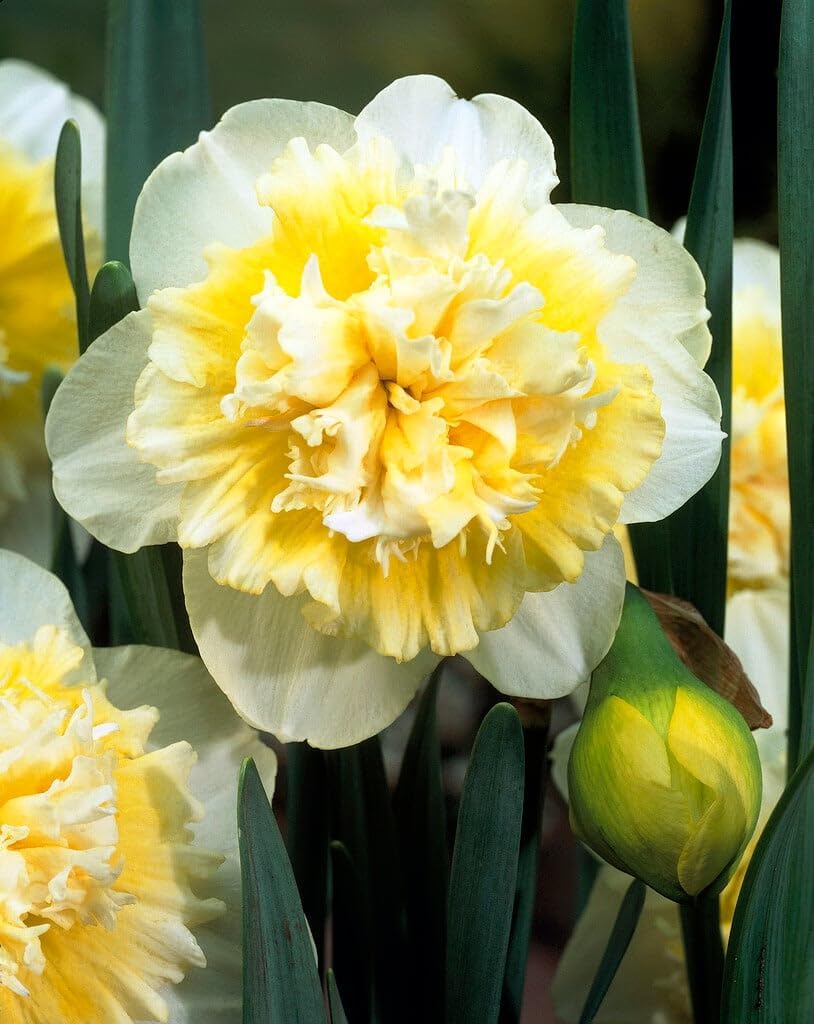
Choose plants you like. Never grow something out of obligation or tradition — gardening should end in a result you're actually happy with.
Find the right space. Set aside an area that gets plenty of sun and has decent soil; add fertilizer if the soil needs help.
Work with the space you have. If space is limited, choose smaller plants so no one variety crowds out its neighbors.
Group plants by height. Taller plants at the back, shorter in front — it looks better and keeps every plant getting its share of light.
Label everything. It's useful to know exactly what's growing where, especially for anything edible.
Keep the bed weeded. Clear weeds before planting and stay on top of them as your plants grow.
Stake creeping plants. Keep vining or sprawling plants from encroaching on the space their neighbors need.
Space seedlings generously. Plants start small but need real room to grow into and enough soil to draw nutrients from.
Fence out animals. A simple chicken-wire border keeps critters from undoing months of work right before harvest.
Water carefully. Both over- and under-watering cause problems — aim for consistent, moderate watering instead.
Both over- and under-watering stunt seedlings — too much water keeps roots from developing the strength they need, while too little slows growth directly. Aim for consistent, moderate watering rather than overcorrecting either way.