Garden Soil pH
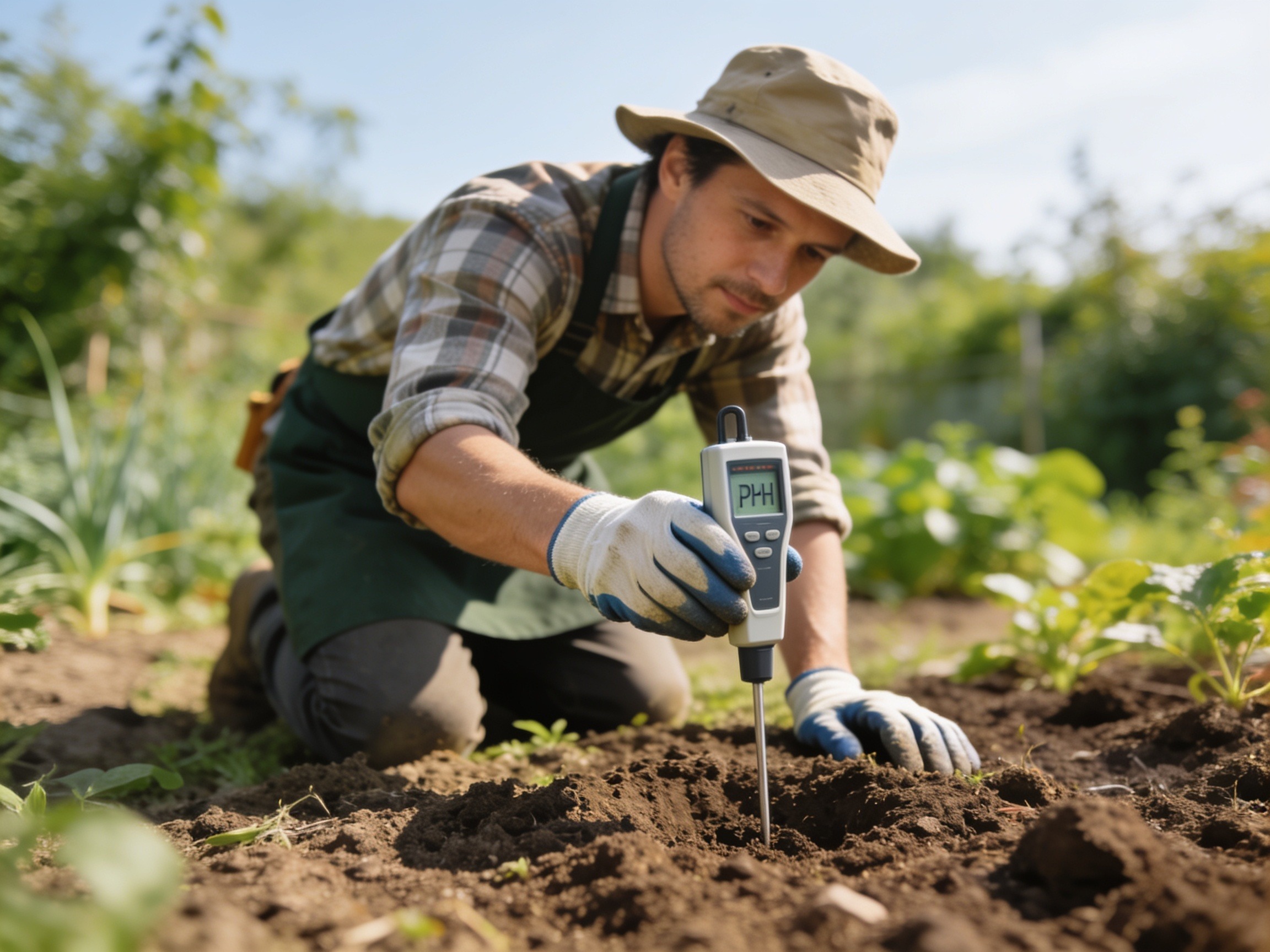
If plants aren't thriving despite good care, the soil itself may be the problem — and diagnosing pH is one of the simplest fixes available to a gardener.
Reading the Soil
A pH meter from a garden center gives a quick reading, or a local cooperative extension office can test soil for you — take readings from several spots in the bed for an accurate picture. Soil below pH 7 is acidic, 7 is neutral, and above 7 is alkaline; most plants access nutrients best in the 6.0–7.0 range. Overly acidic soil locks up nitrogen, phosphorus, and potassium while making toxic metals more available; overly alkaline soil restricts iron, manganese, and phosphorus instead.
Adjusting It
To raise pH (make acidic soil less acidic), add lime, limestone, or wood ash. To lower it, add sulfur or organic materials like conifer needles, sawdust, or peat moss — and make any change gradually over a couple of seasons rather than all at once. Most flowers and vegetables cluster around 6.0–7.5, though there are exceptions: blueberries want a notably acidic 4.0–6.0, while blue-flowered hydrangeas need 4.0–5.0 to keep their color, and the same plant with pink flowers wants a much more neutral 6.0–7.0.
A lawn wants slightly different treatment than a flower bed — keep turf soil at pH 7.0 or above, since lower readings invite fungal disease.