Garden Plants
Choosing the right plant for the right spot does more for a garden's success than any amount of care afterward — a plant matched to its site mostly takes care of itself.
Start with the Site, Not the Plant
Before falling in love with a plant at the nursery, take stock of the actual conditions where it will grow — hours of direct sun, soil drainage, and available space at maturity. A plant tag's light and size requirements are worth reading closely; a plant destined to outgrow its spot or struggle in the wrong light rarely thrives no matter how well it's cared for.
Native and regionally adapted plants are generally the easiest route to a low-maintenance garden, since they're already suited to your local climate, soil, and rainfall patterns.
Check a plant's mature width, not just height, when spacing new plantings — most new gardeners plant too closely, leading to crowding within just a season or two.
Buying Healthy Plants
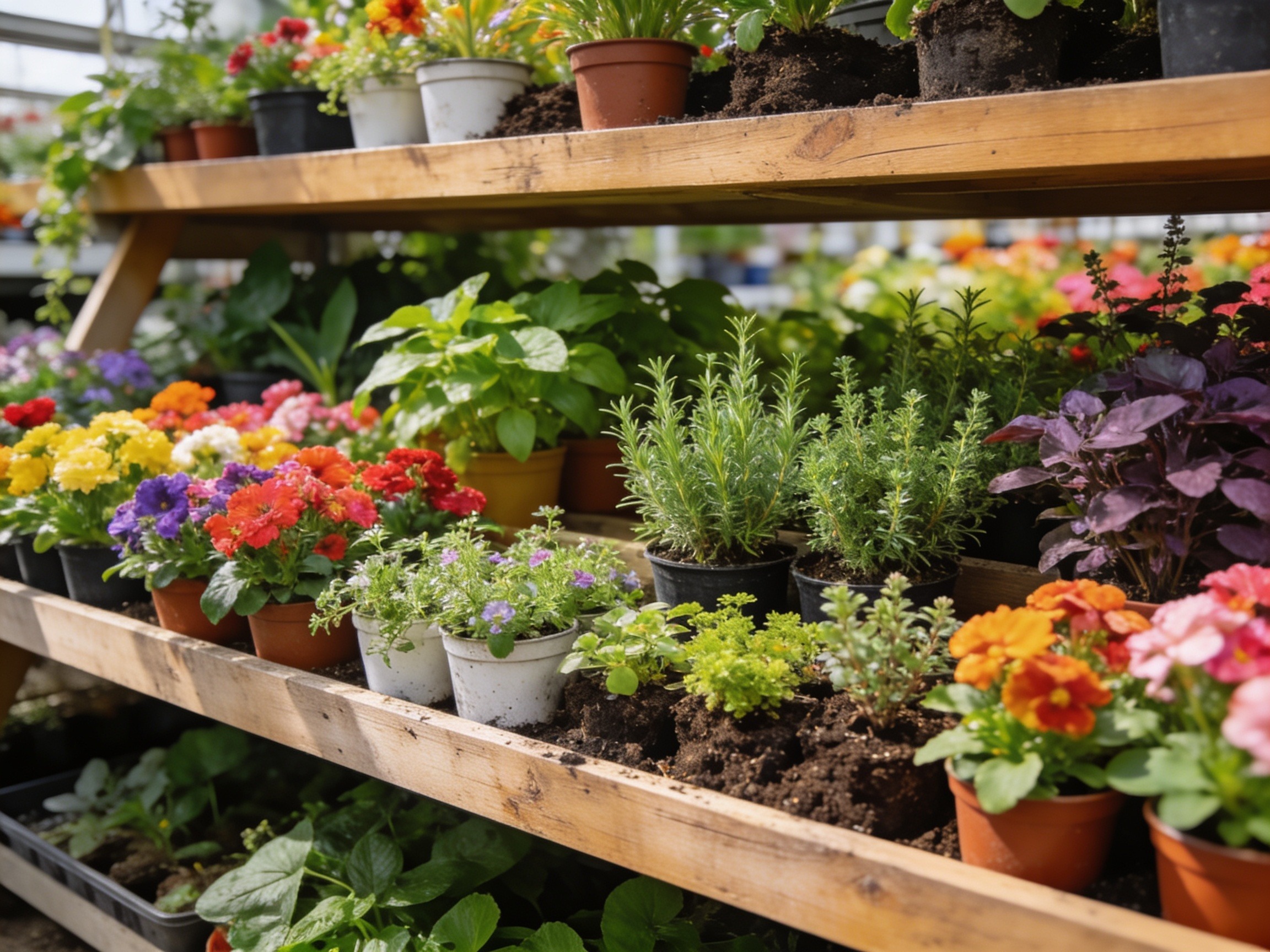
Look for compact, evenly colored growth rather than the tallest or most flowers on the shelf — a stretched, leggy plant or one already in heavy bloom often struggles more after transplanting. Gently slide a plant from its pot to check for a healthy, white root system rather than a tightly circling, root-bound mass.