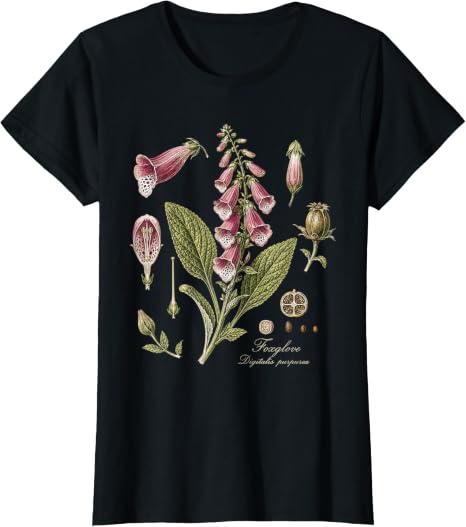
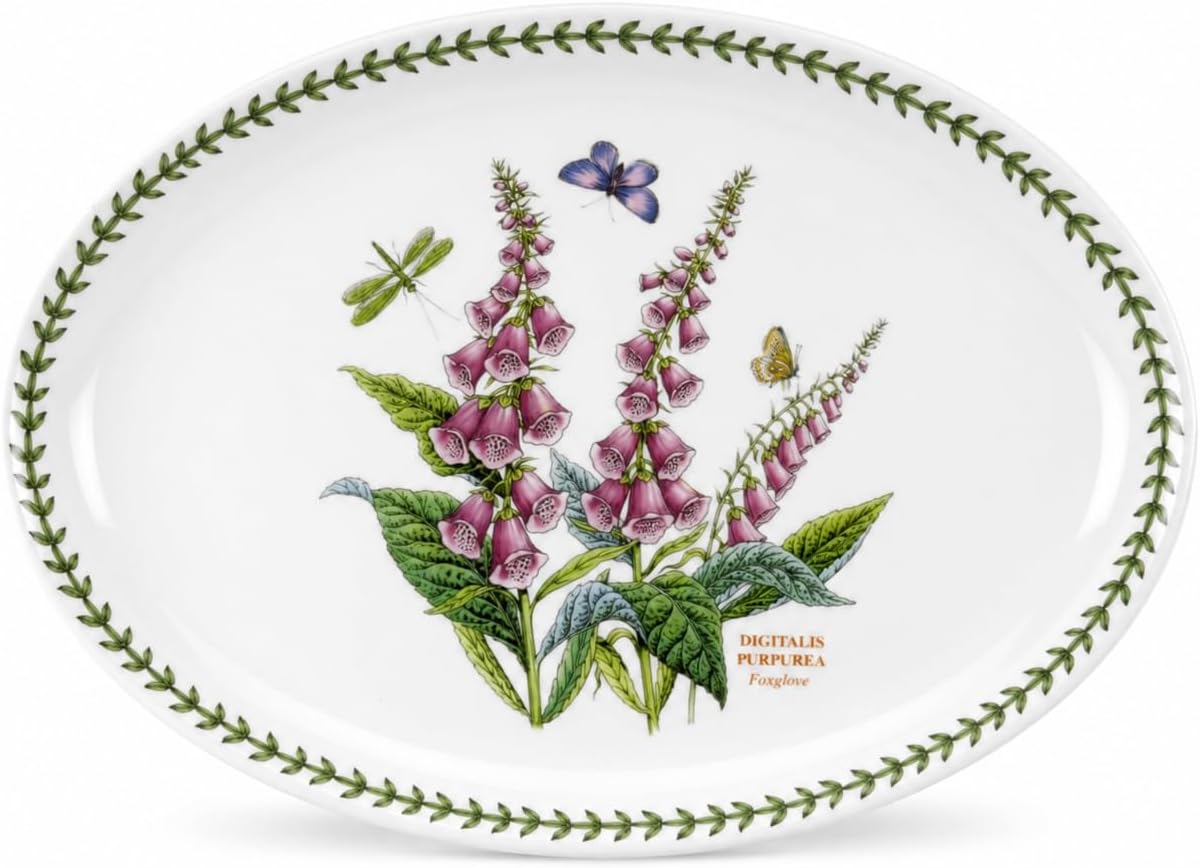
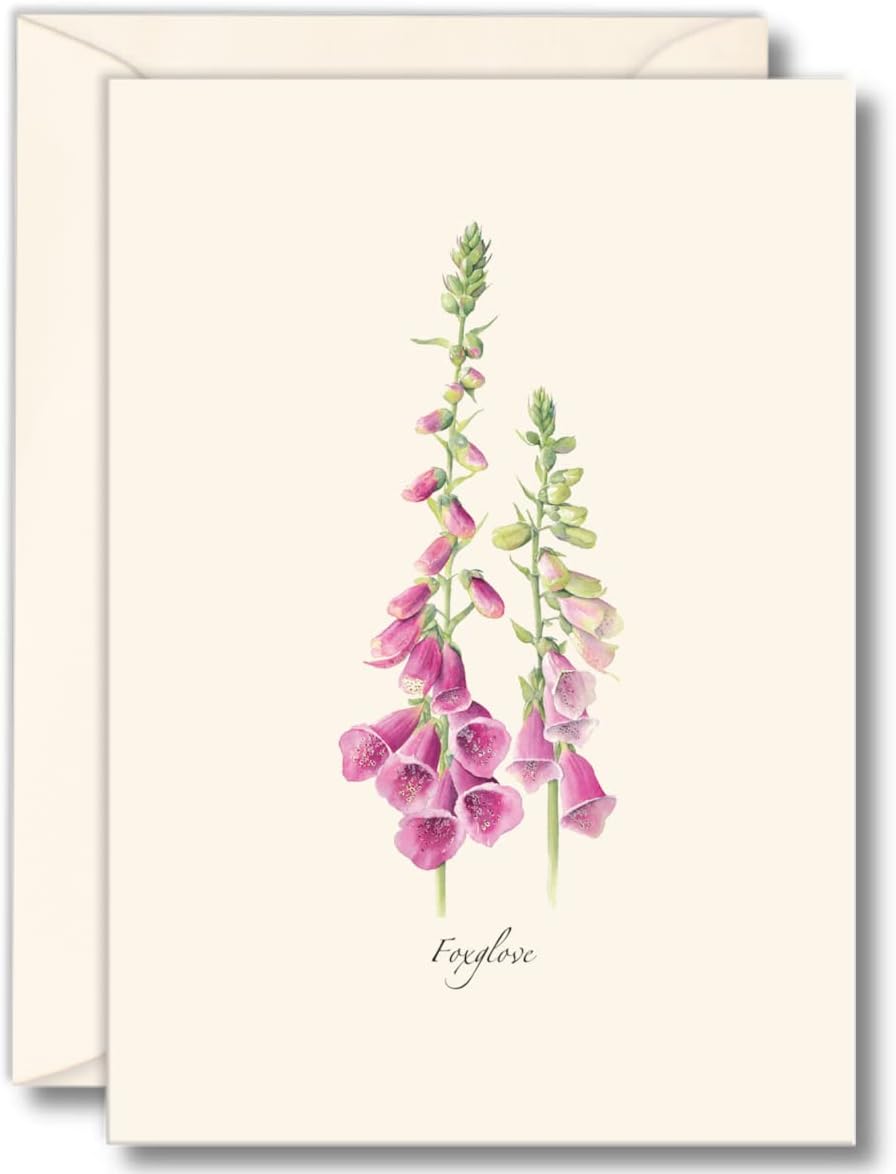
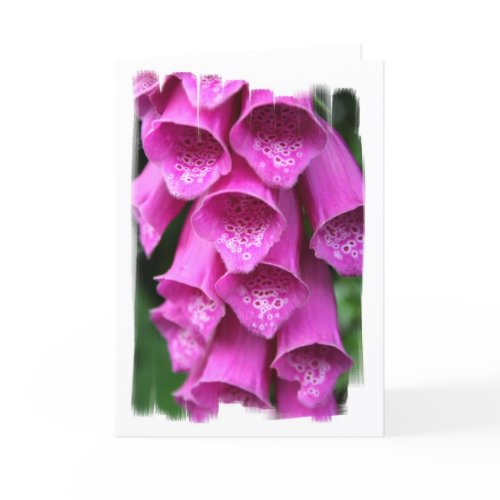
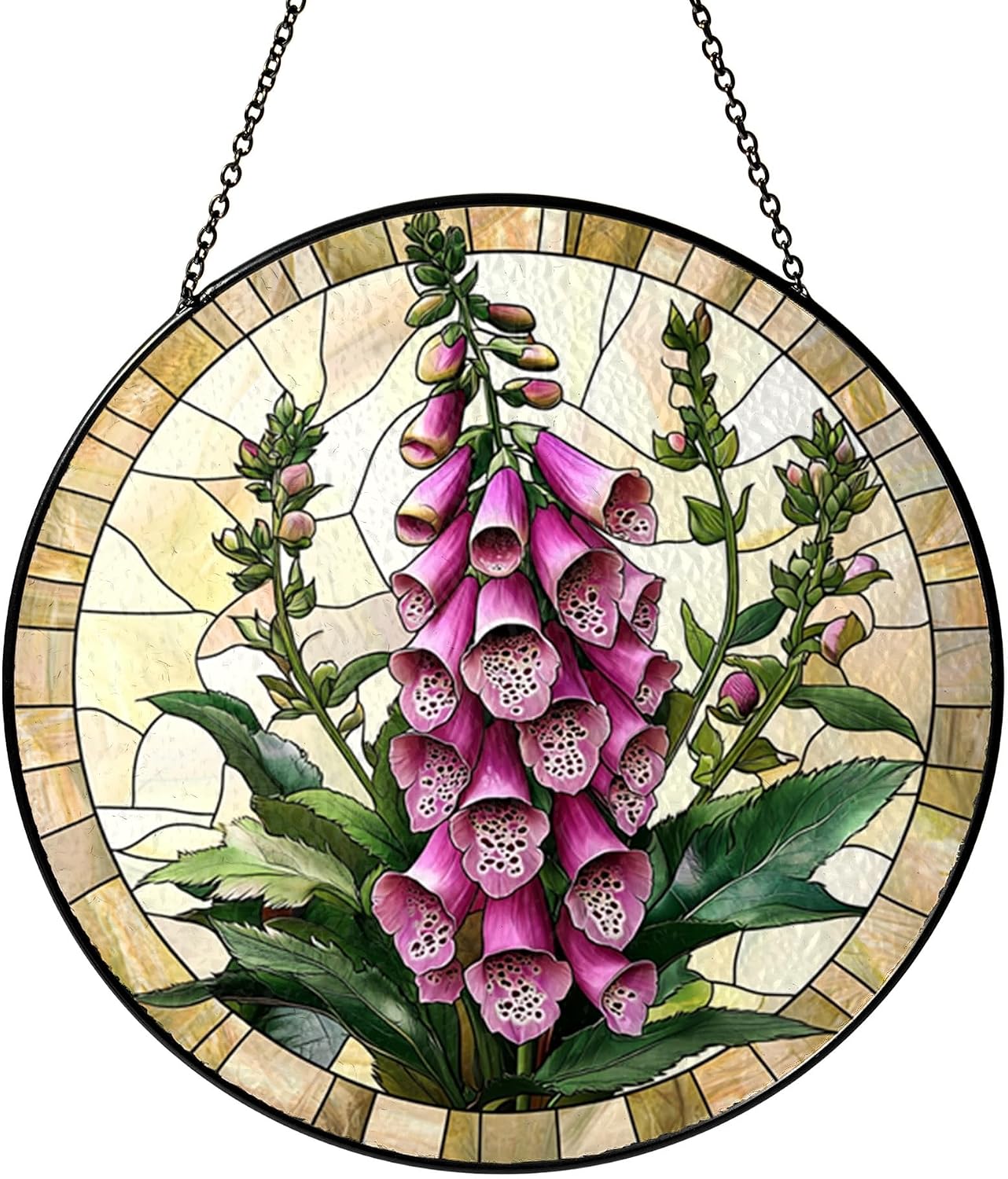
Foxglove sends up towering spires lined with dozens of spotted, thimble-shaped blooms, a dramatic cottage garden classic that bees find just as irresistible as gardeners do.
Native to Europe, foxglove is technically a biennial in most climates, growing foliage the first year and flowering the second before dying back — though it self-seeds so readily that established beds often appear to bloom every year. Its dramatic height makes it a favorite for the back of a cottage border.
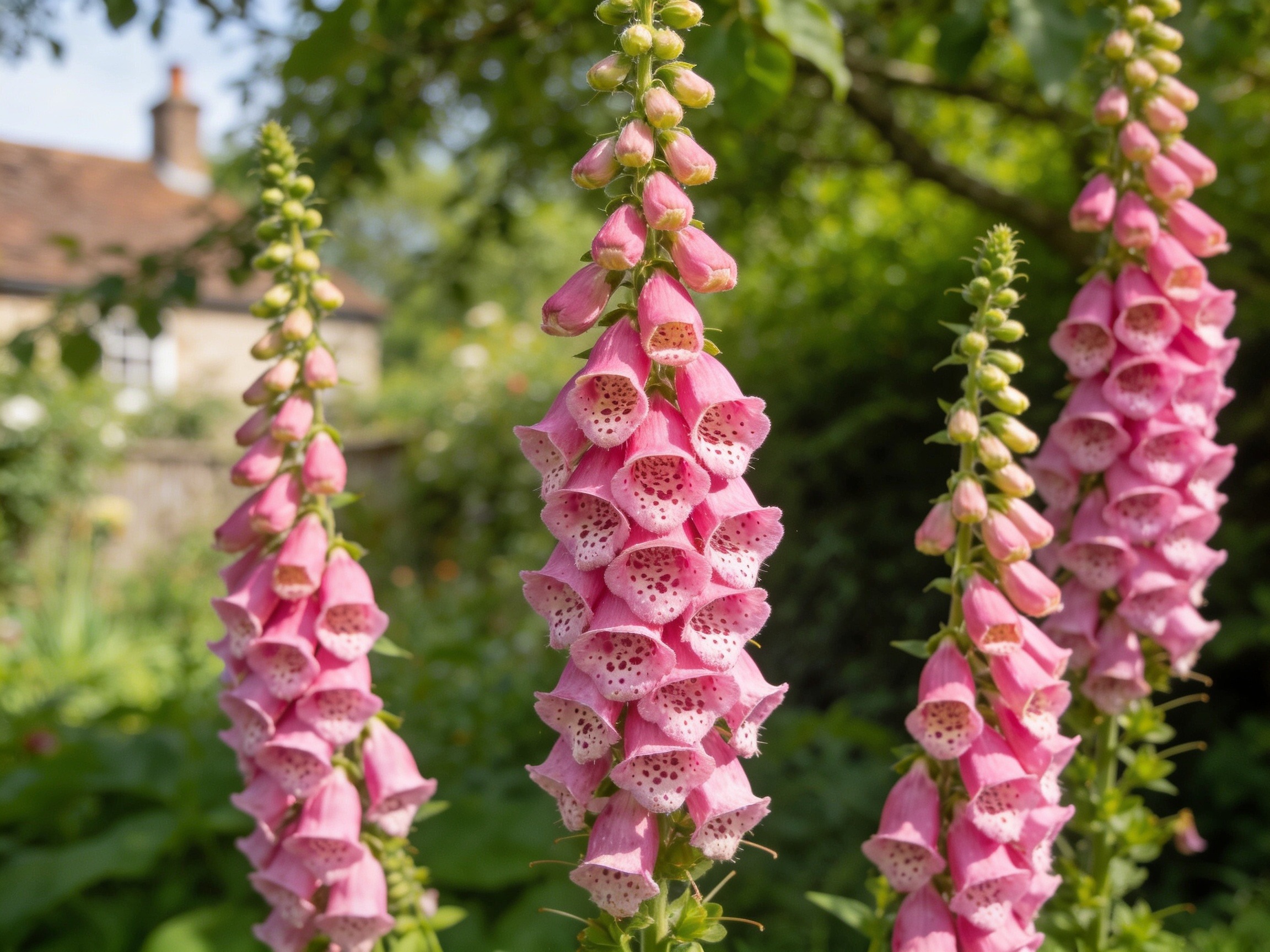
Foxglove carries a dual symbolism of both insincerity and healing, reflecting its history as a source of powerful heart medicine that's also highly toxic if misused.
Foxglove prefers partial shade and rich, moist, well-draining soil, thriving in woodland edge conditions. Letting some flower spikes go to seed each year ensures a continuous supply of new plants, since the biennial life cycle means individual plants only bloom once before dying back.
Foxglove is the original source of digitalis, a powerful heart medication still derived from the plant today, though all parts are highly toxic if ingested without medical supervision — it should never be used as a home remedy.