4 Steps to an Organic Rose Garden
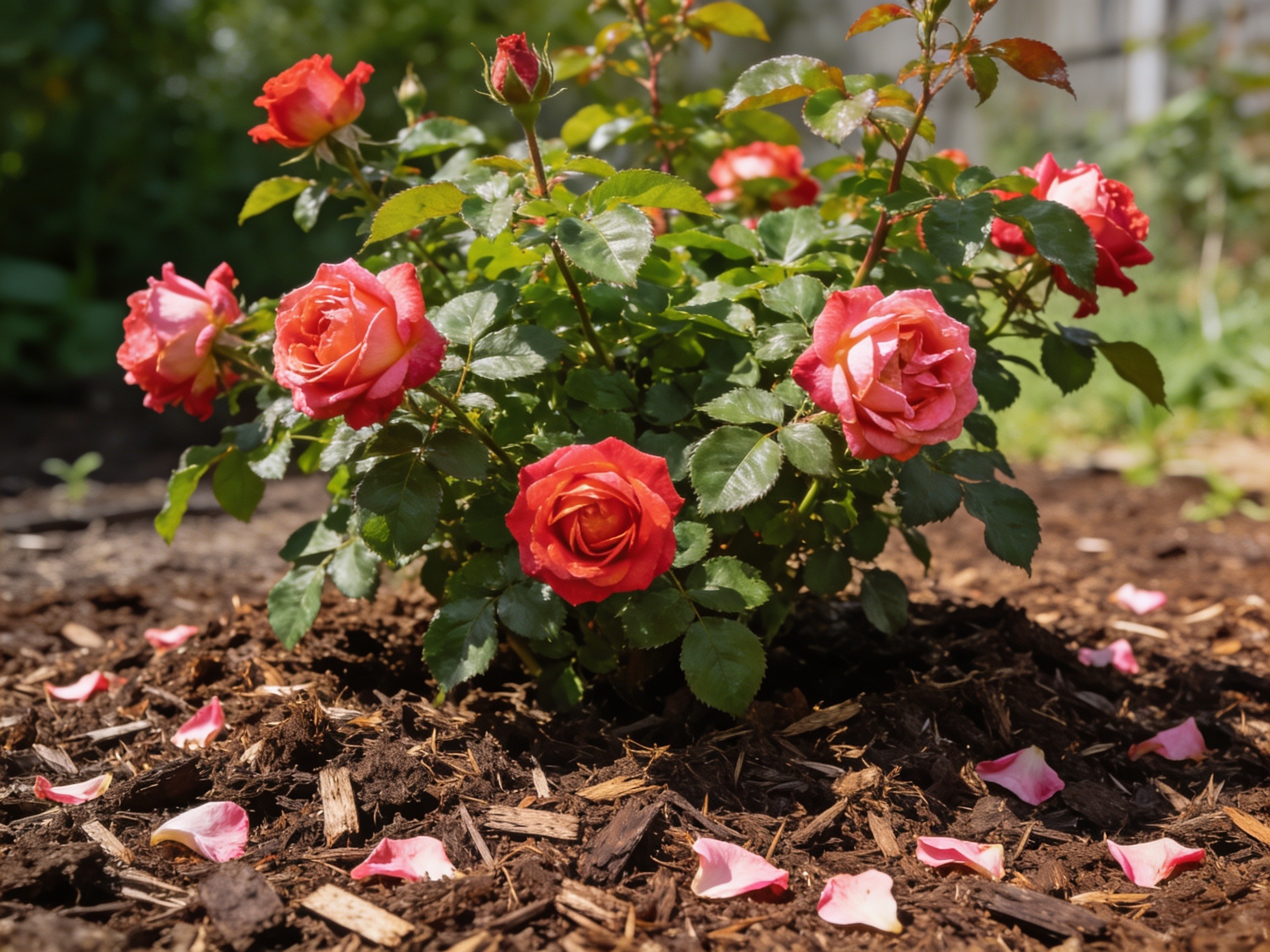
Growing roses without synthetic chemicals is entirely possible with the right variety and a few consistent organic practices — roses are far tougher than their reputation for fussiness suggests.
Modern shrub and landscape roses bred for disease resistance need far less spraying than older hybrid tea varieties.
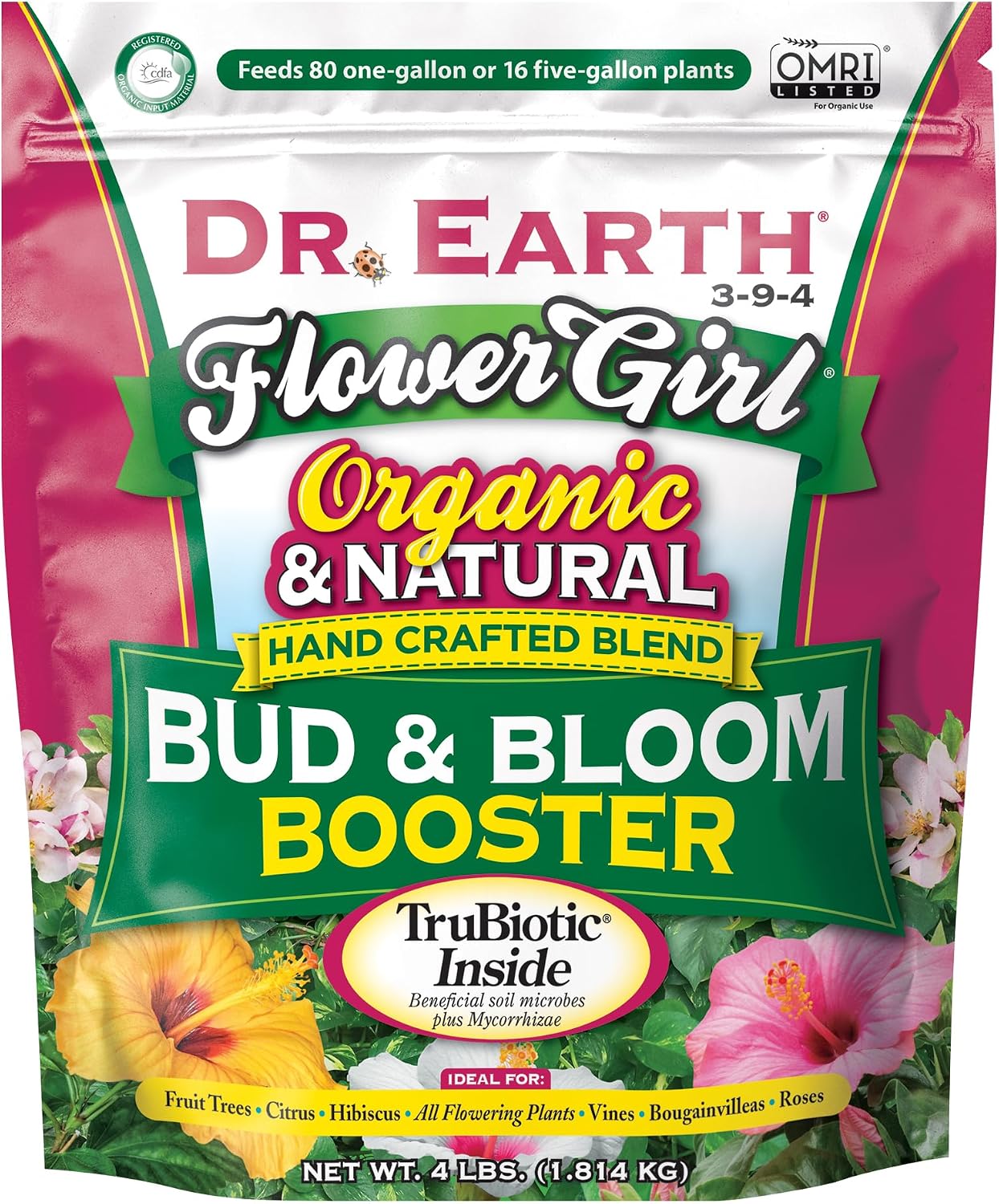
Compost-rich soil supports strong roots, which in turn make roses naturally more resistant to pests and disease.
Wet foliage encourages fungal disease — drip irrigation or hand watering at the soil line keeps leaves dry.
Opening up a rose's center by removing crossing and crowded canes improves air circulation and reduces fungal issues significantly.
Neem oil and insecticidal soap handle most common rose pests organically, without disrupting the beneficial insects that help keep a rose garden balanced.