More is not better with fertilizer — over-feeding causes far more problems in a garden than under-feeding does.
Reading the Three Numbers
Every fertilizer label lists three numbers — N-P-K — representing the percentage of nitrogen, phosphorus, and potassium. Nitrogen fuels leafy green growth, phosphorus supports roots and blooms, and potassium supports overall plant health and disease resistance. A balanced fertilizer (like 10-10-10) suits most general garden use, while bloom-boosting formulas lean higher in phosphorus.
Feed During Active Growth
Most plants only need fertilizer during their active growing season, typically spring through mid-summer. Fertilizing late in the season can push tender new growth that won't have time to harden off before frost, making plants more vulnerable to cold damage.
Slow-Release Beats Fast-Acting for Most Gardens
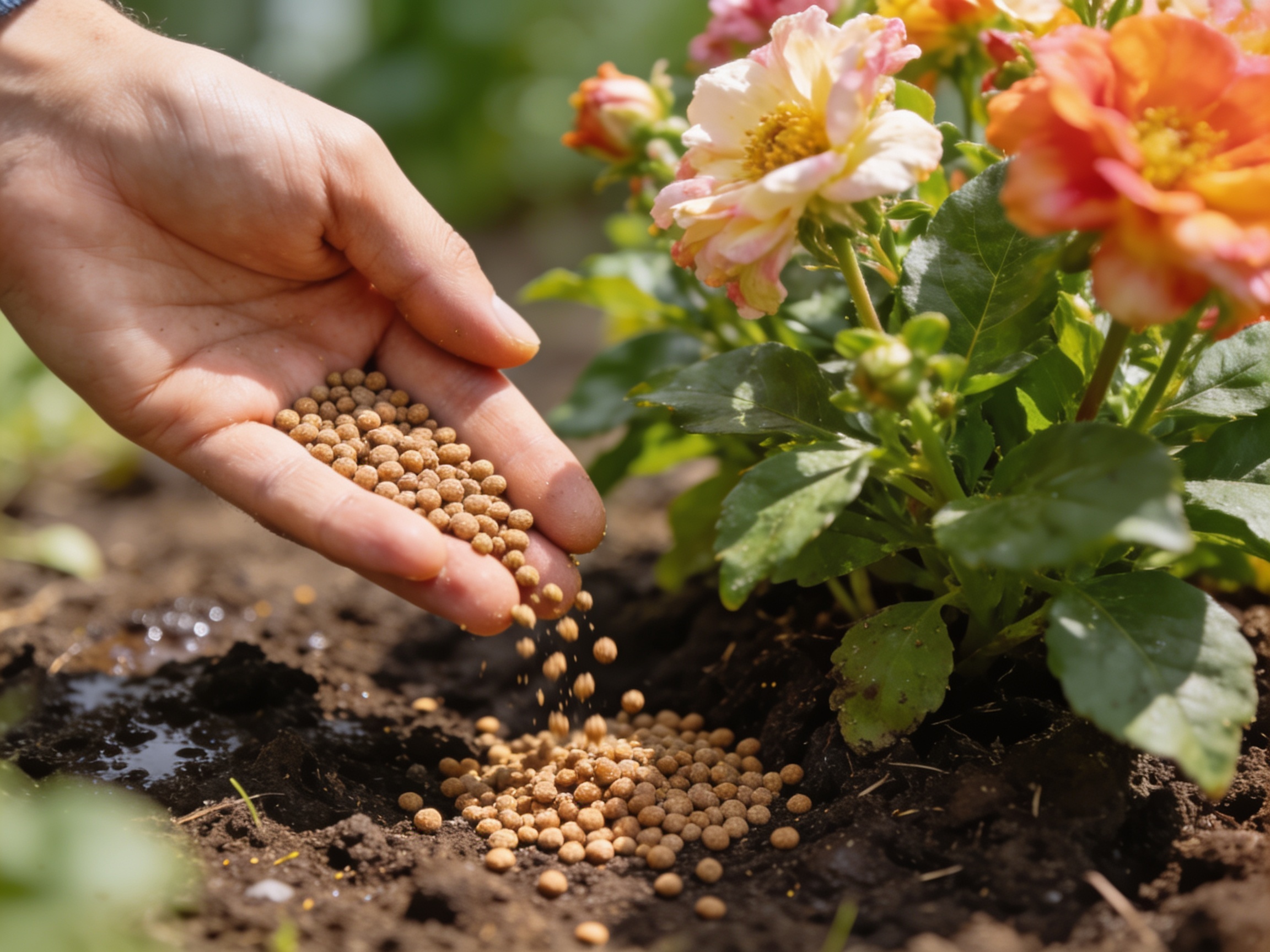
Slow-release granular fertilizers feed plants steadily over weeks or months and are far more forgiving of an overdose than fast-acting liquid feeds, which can burn roots if applied too heavily or too often.
Always Water After Feeding
Watering after applying fertilizer helps it soak into the root zone rather than sitting on the surface, and reduces the risk of burning foliage or roots, especially with granular products.