Fertilizers
Fertilizers exist to supply the nutrients soil may lack — mainly nitrogen, phosphorus, and potassium — and understanding the different forms available helps match the product to the job at hand.
Granular vs. Liquid
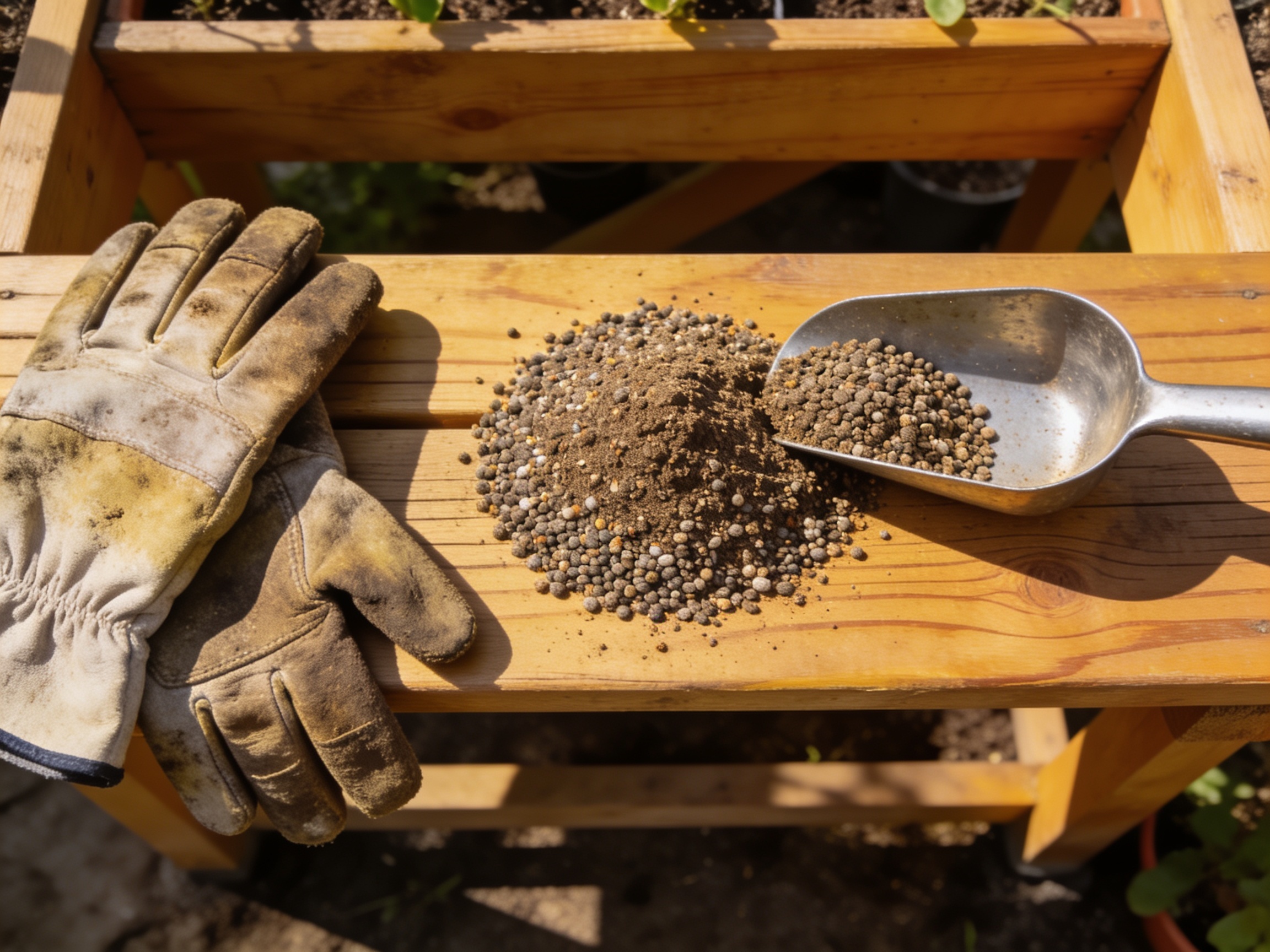
Granular fertilizers are worked into the soil or scattered on the surface and typically release nutrients over weeks or months, making them a low-maintenance, forgiving option. Liquid fertilizers act fast, usually within days, but need more frequent reapplication and are easier to accidentally overapply.
Synthetic fertilizers deliver nutrients in an immediately usable form, while organic fertilizers, like compost or fish emulsion, release nutrients more slowly as microbes break them down, also improving soil structure along the way.
When in doubt about how much to apply, use less than the label recommends — it's much easier to add more fertilizer later than to fix a plant that's been burned by too much.
Matching Fertilizer to Plant Type
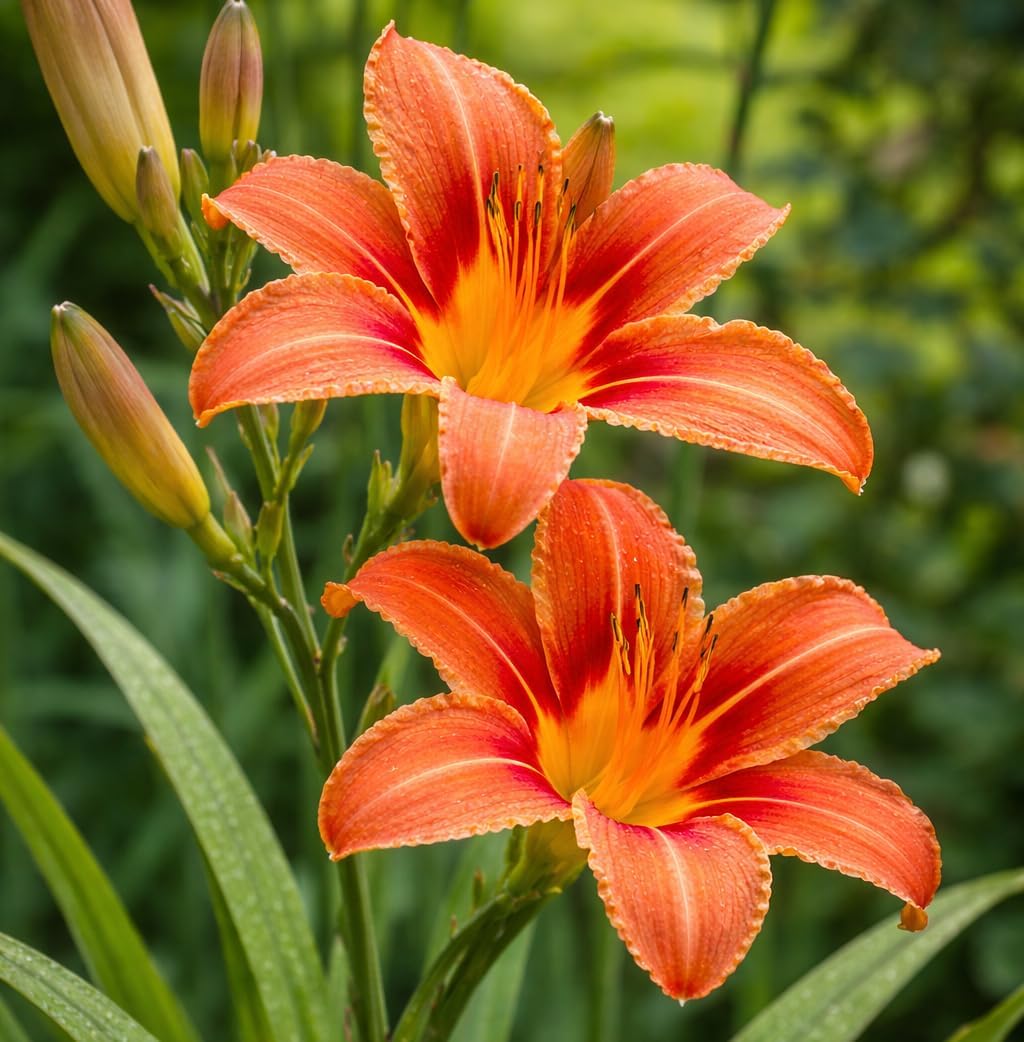
Flowering plants generally benefit from a fertilizer higher in phosphorus, while leafy greens and lawns do better with extra nitrogen. Specialty blends exist for acid-loving plants like azaleas and blueberries, roses, and citrus, each formulated around what that plant type typically needs most.