Perennial Gardens
Home/Gardening Knowledgebase/Edible Flowers

Edible Flowers

Kitchen Garden Colorful Garnish Identify Before Eating

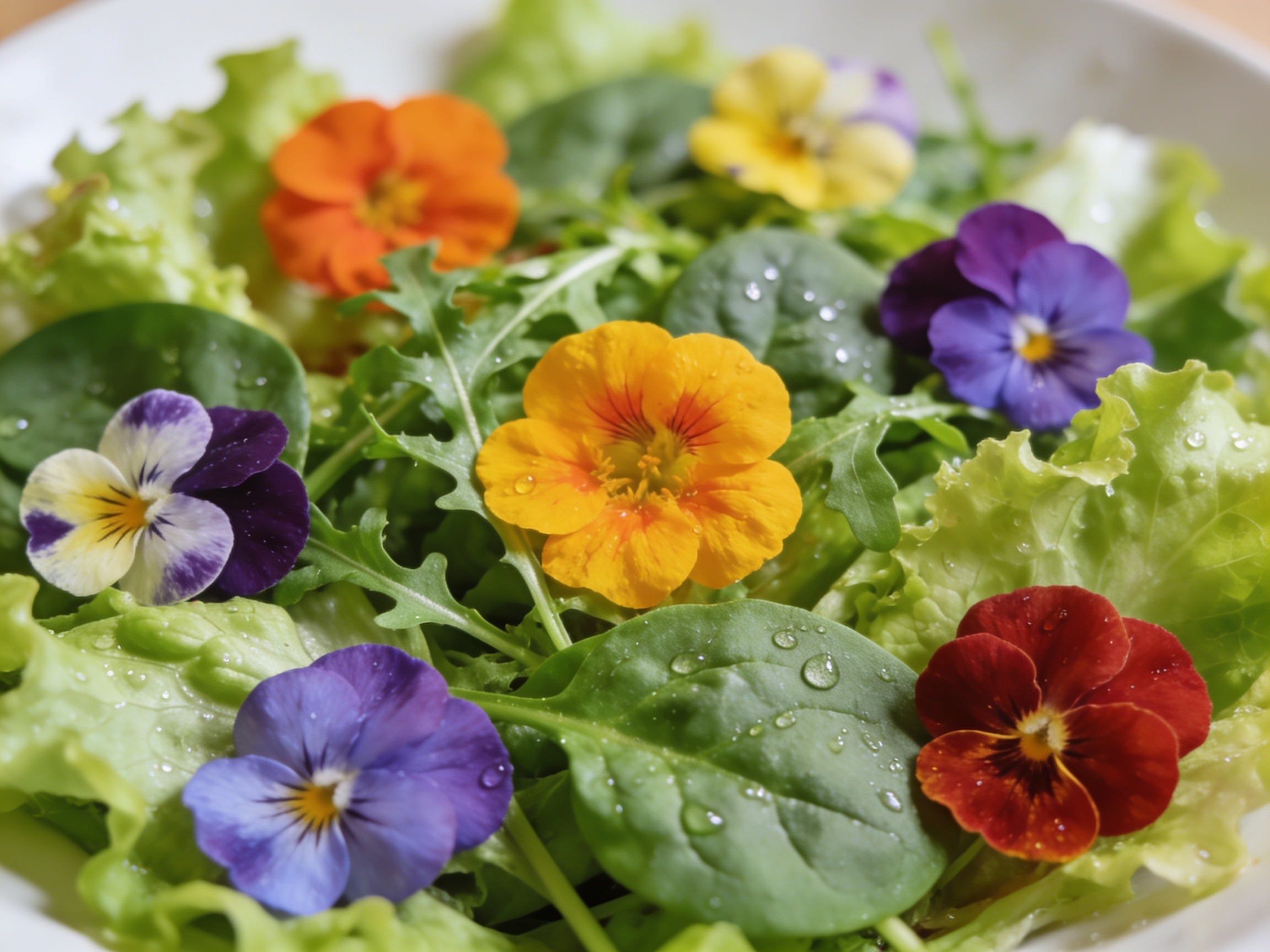
A handful of edible blossoms scattered over a salad or dessert turns an ordinary dish into something memorable, adding color, mild flavor, and a genuine garden-to-table touch.

Not every flower is safe to eat, and some ornamental varieties are outright toxic, so positive identification and confirming a flower was grown without pesticides are essential steps before eating anything picked from the garden.
Edible Flowers Hero

Safe to Eat

Common
Pansies, Nasturtium, Squash Blossom
Herbs
Chive Blossom, Basil Flower
Fragrant
Rose Petals, Lavender

Never Eat

Toxic
Oleander, Foxglove, Lily of the Valley, Azalea
Uncertain Origin
Florist or nursery flowers

Use Ideas

Garnish
Salads, desserts, drinks
Infusion
Tea, syrup, ice cubes
Candying
Cake decoration

Safety First

Only eat flowers you can positively identify as edible, grown specifically for eating (never florist or nursery flowers, which are often treated with chemicals unsafe for consumption), and rinse gently before use. If you have seasonal allergies, introduce any new edible flower in a very small amount first.

Care Tip

Harvesting edible flowers in the cool of early morning, right after any dew has dried, generally gives the best flavor and the longest vase or fridge life once picked.

Our Favorites for Garden Care

Sponsored — we may earn a commission
4 in 1 Soil Test Kit
Featured Pick
Rain Gauge
Rain Gauge
Featured Pick
Rain Gauge with Hummingbird
Featured Pick
Rain Gauge and Thermometer
Featured Pick
Soil PH Test Strips
Soil PH Test Strips
Featured Pick
Garden Draft · Aromatherapy · Garden XMas Ornaments