Easter lily's pure white, trumpet-shaped blooms and heady fragrance have made it the flower most closely tied to the spring holiday it's named for, timed by growers to open right on schedule each year.
Native to a small group of Japanese islands, the Easter lily became a major American cut-flower and potted-plant crop in the early 20th century and remains one of the most widely gifted flowering plants each spring.
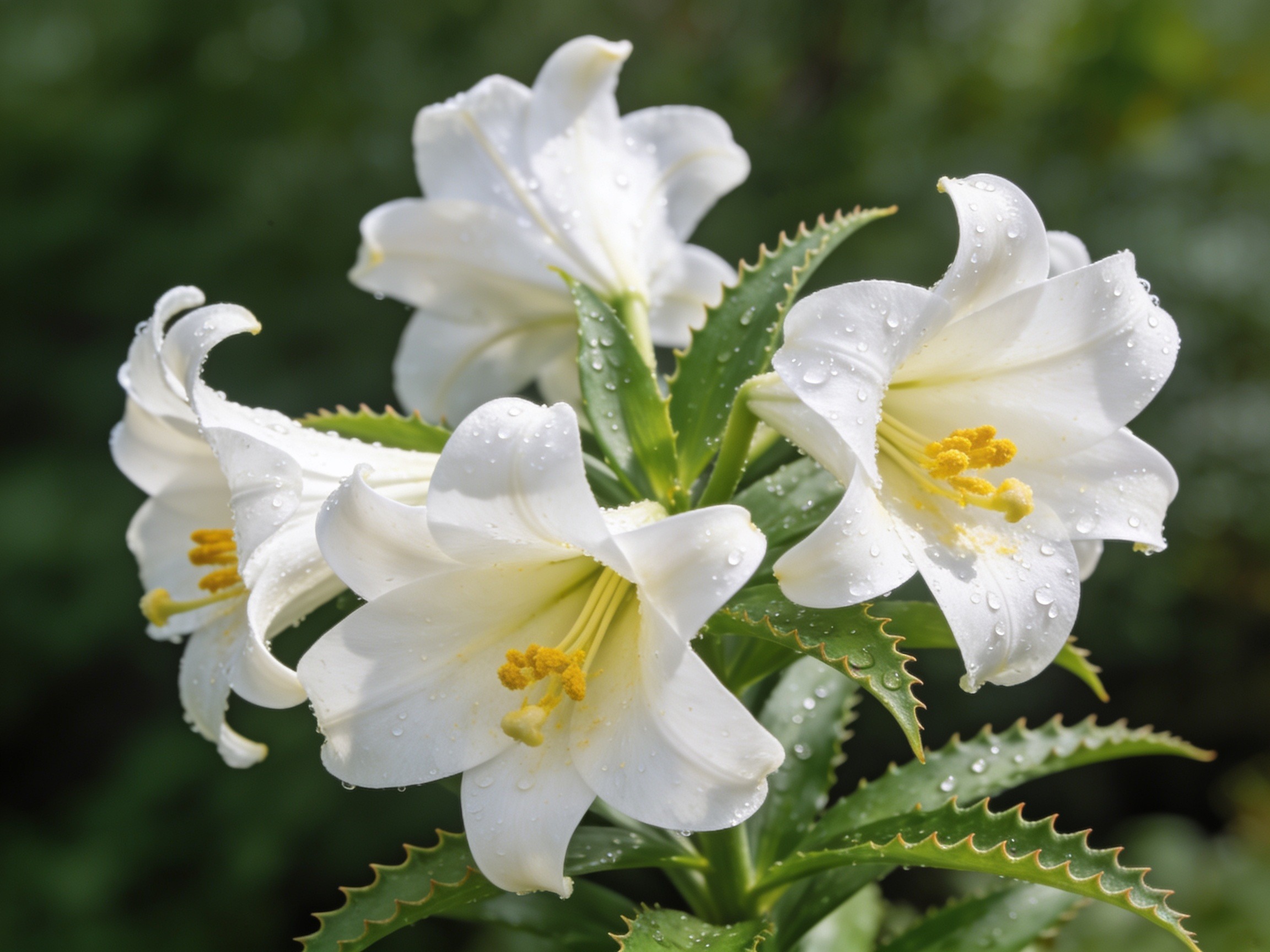
Easter lily symbolizes purity, hope, and new life, its white bloom long associated with the Christian celebration of the resurrection.
Keep a potted Easter lily in bright, indirect light and cool room temperatures to extend its bloom, and remove the yellow anthers to prevent pollen stains and prolong flower life. After blooming, the bulb can be planted outdoors, where it may naturalize and rebloom in future summers in the right climate.
All parts of the Easter lily are highly toxic to cats specifically, capable of causing kidney failure, so households with cats should choose a pet-safe alternative bloom.