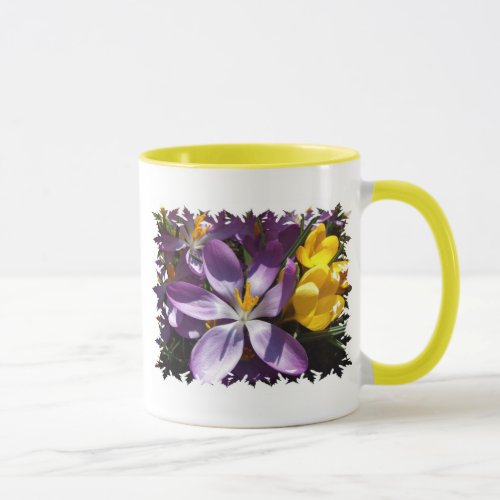
Crocus pushes its cup-shaped blooms up through late snow and thawing ground, often the very first flash of color a garden sees each year.
Native to a wide range spanning the Mediterranean, Middle East, and Central Asia, crocus includes both spring-blooming and rarer fall-blooming species, the latter including saffron crocus, the source of the world's most expensive spice. Their small size makes them ideal for naturalizing in lawns and under trees.
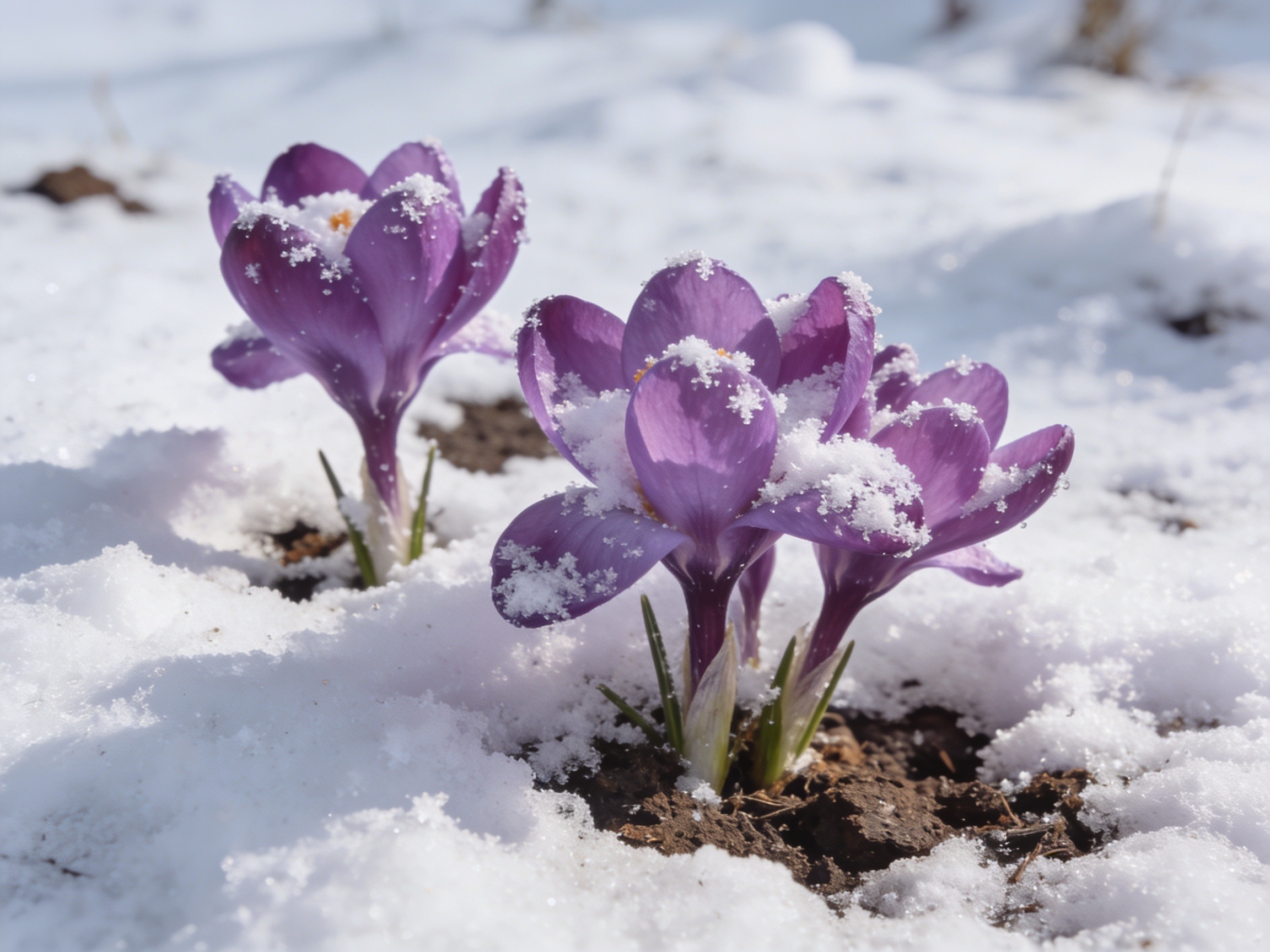
Crocus symbolizes youthful gladness and cheerfulness, its early emergence each spring long celebrated as a symbol of renewal and the end of winter.
Plant crocus corms in fall for spring bloom, in a full-sun spot with well-draining soil. Once established, crocus naturalizes readily, spreading into larger drifts over the years — an excellent choice for planting throughout a lawn where mowing can be delayed until the foliage yellows naturally.
Saffron, harvested from the stigmas of the fall-blooming saffron crocus, has been used in traditional medicine for centuries in addition to its famous culinary use, valued for its antioxidant properties and mood-supporting compounds.