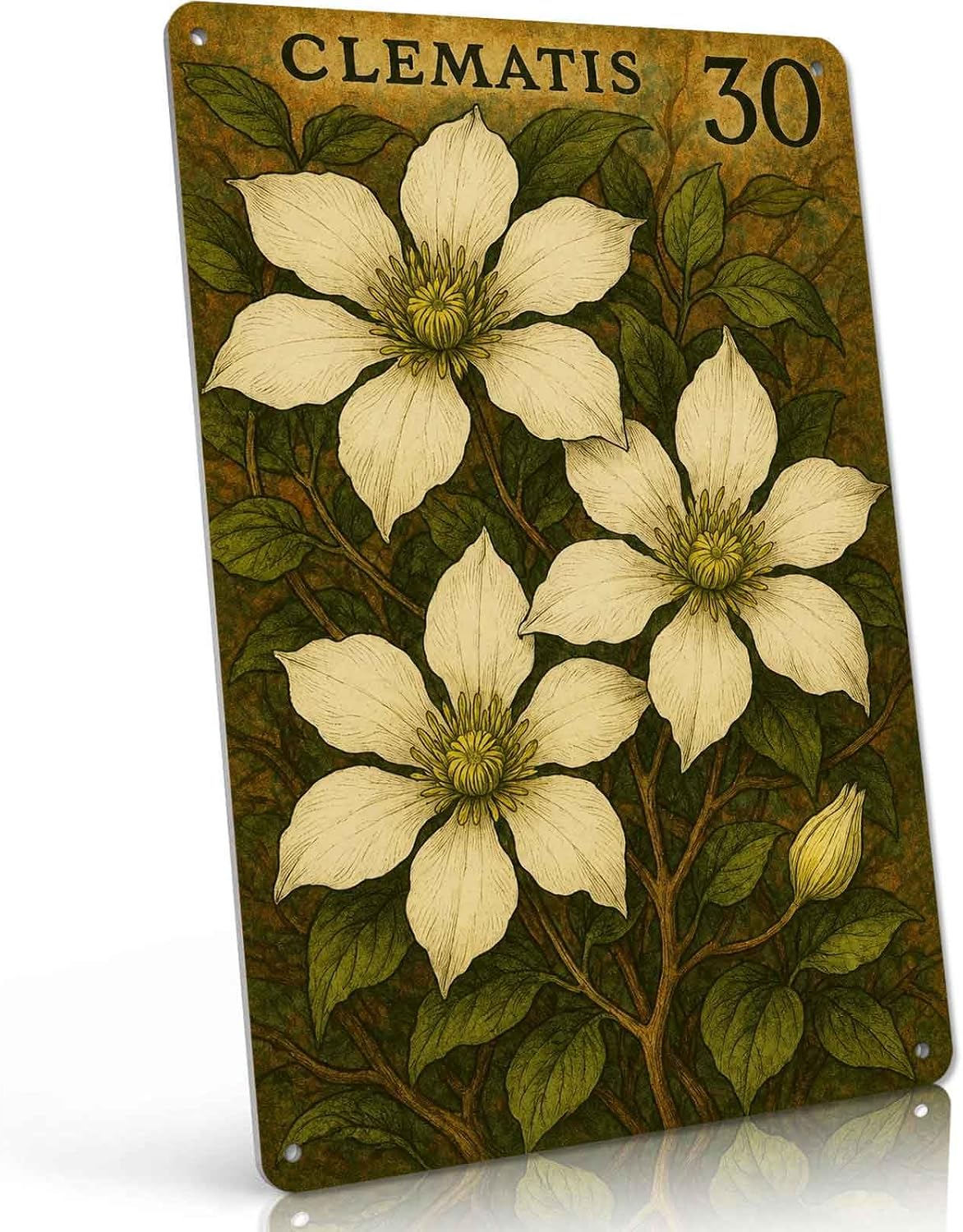
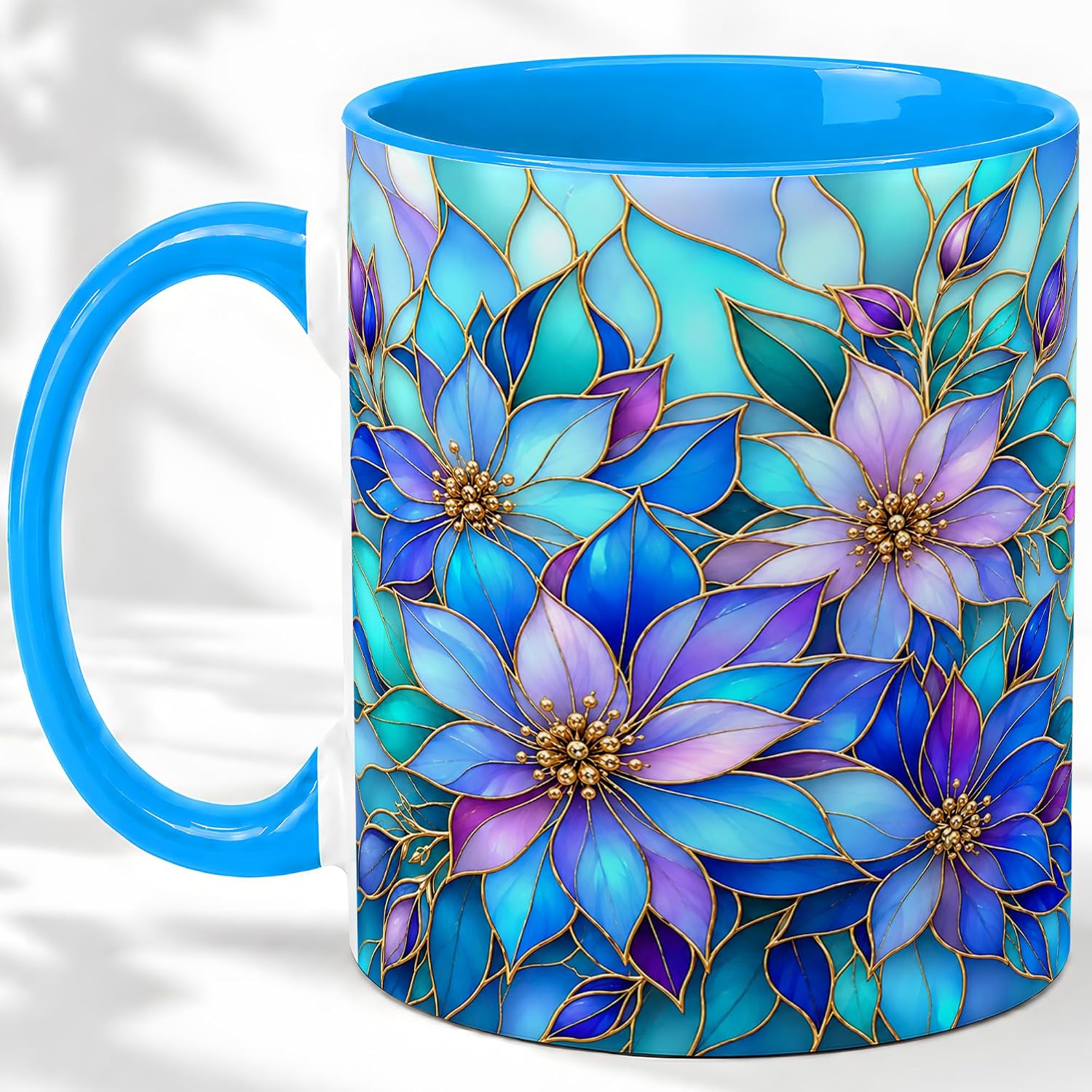
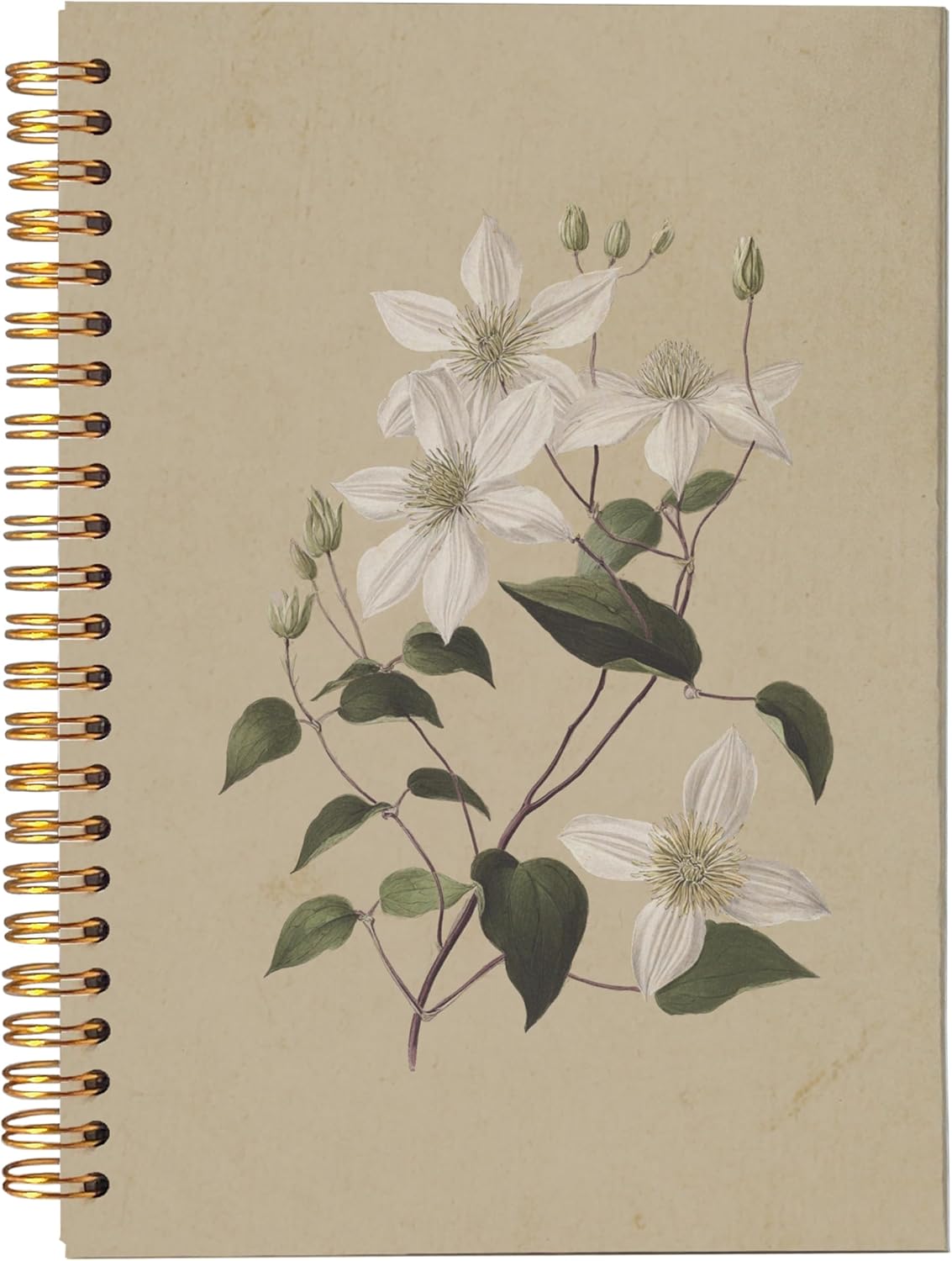
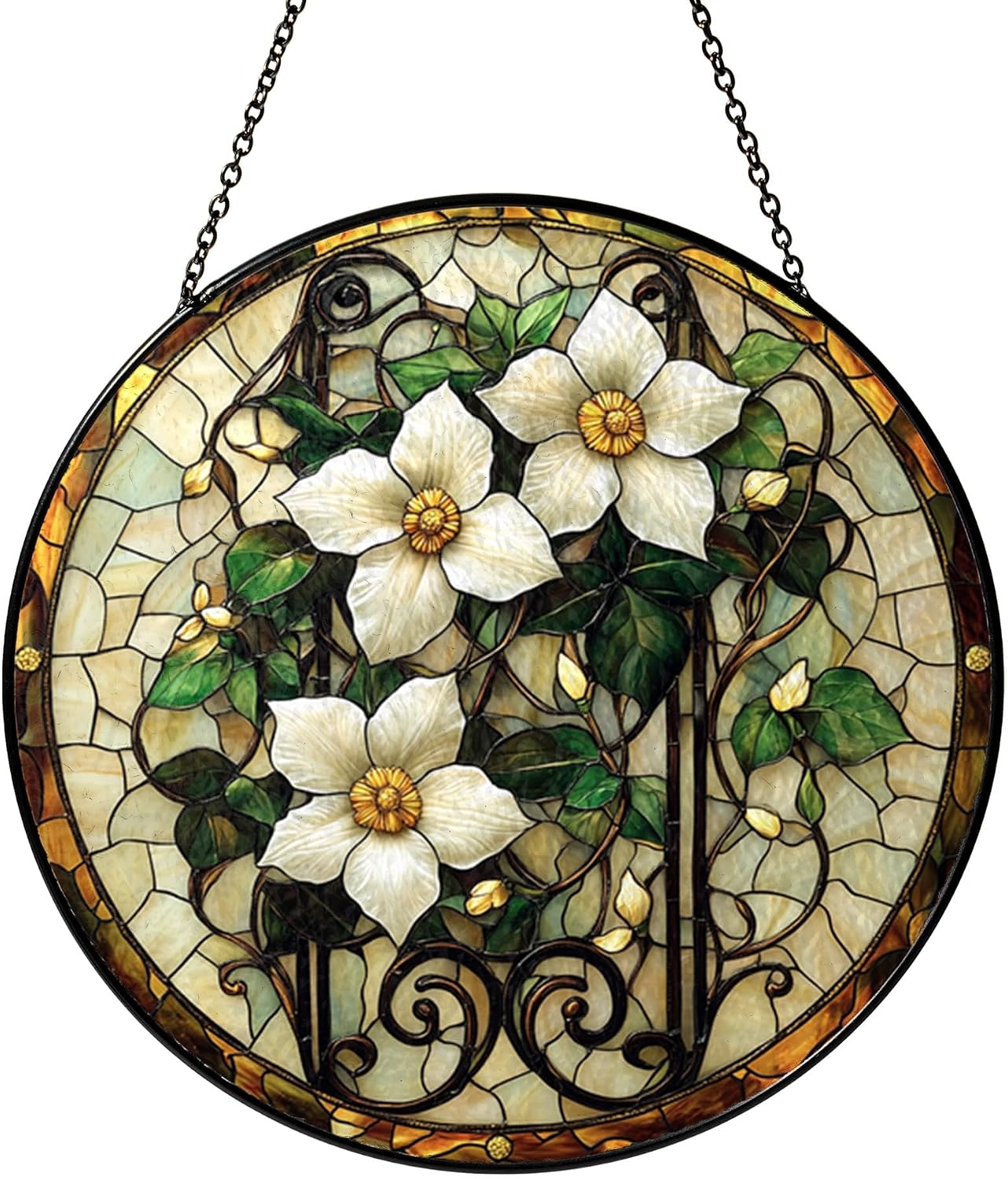
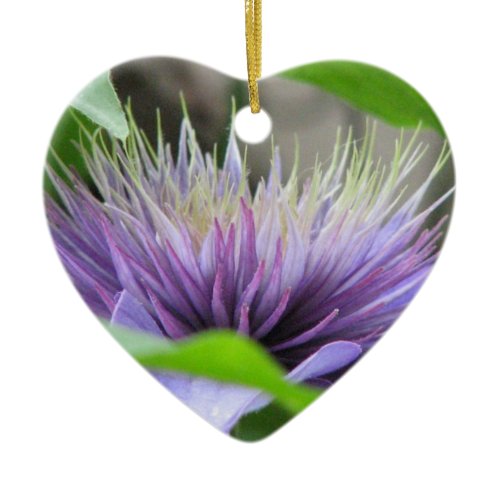
Clematis, often called the "queen of climbers," blankets trellises and arbors in large, showy blooms that range from simple stars to intricate double flowers.
This diverse genus includes hundreds of species and cultivars, offering bloom times spread across spring, summer, and fall depending on the variety chosen. Its twining leaf stems allow it to climb structures without needing to be tied, making it a favorite for covering fences and arbors.
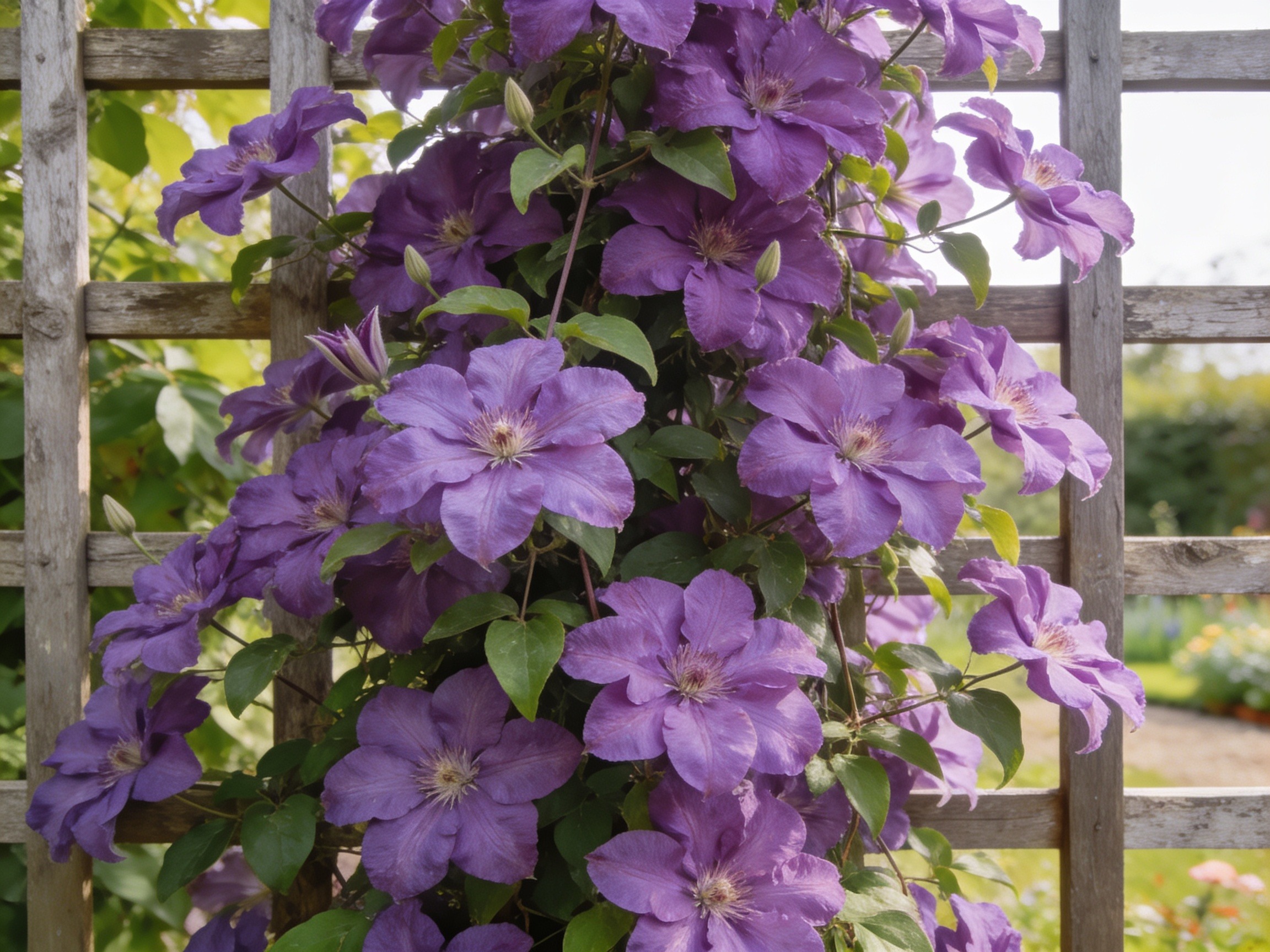
Clematis symbolizes mental beauty and ingenuity, and its old folk name, "traveller's joy," reflects its historic role brightening hedgerows and fences along country paths.
Clematis famously wants its top growth in full sun but its roots kept cool and shaded — a mulch layer or low companion plant at the base helps achieve this classic combination. Correct pruning depends on which of the three clematis pruning groups a variety belongs to, so identifying the type before pruning avoids accidentally cutting off next season's blooms.
Clematis has a history of use in traditional herbal medicine for pain relief, though the plant contains compounds that can irritate skin and mucous membranes, and modern use is largely limited to homeopathic preparations rather than direct herbal application.