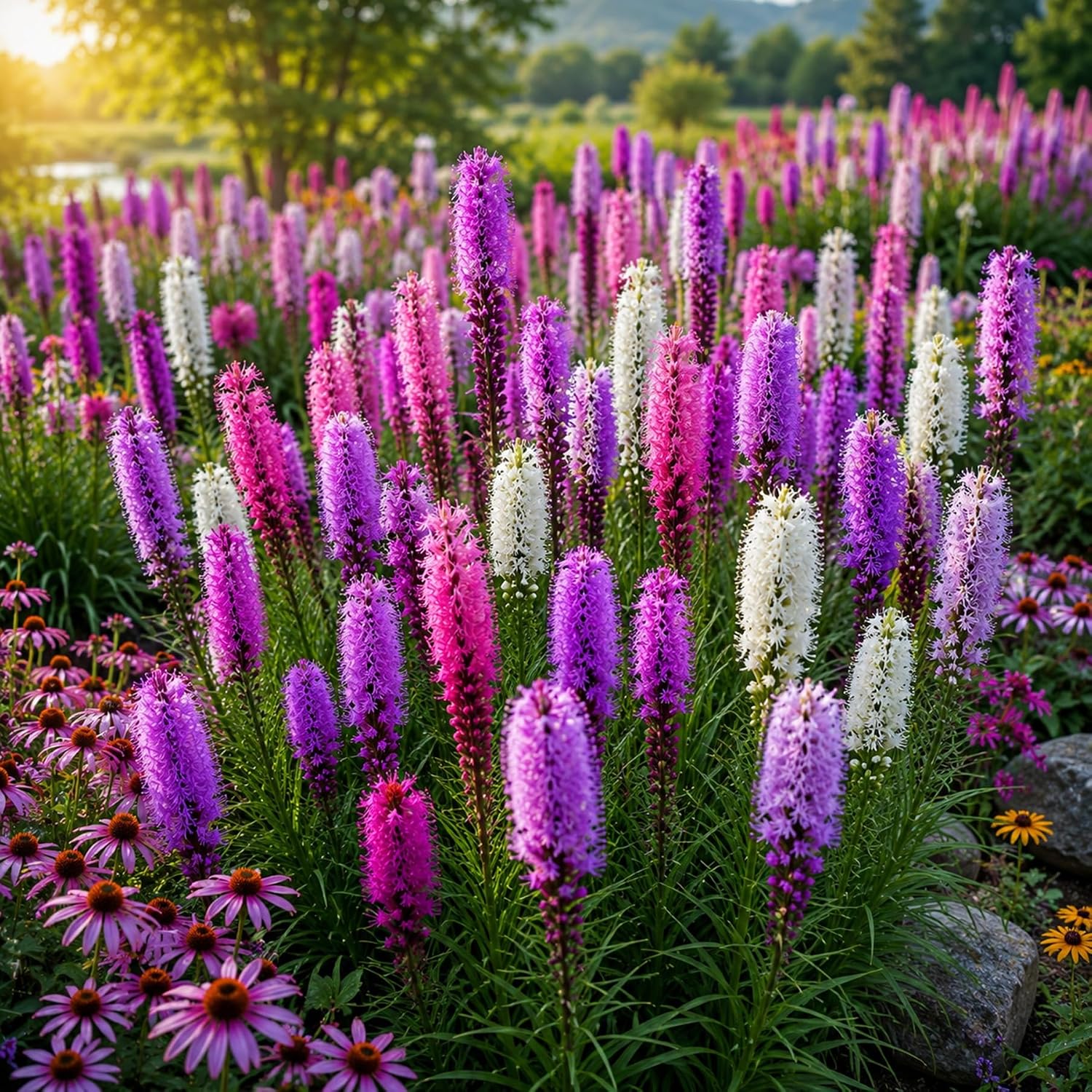
Clay Soil
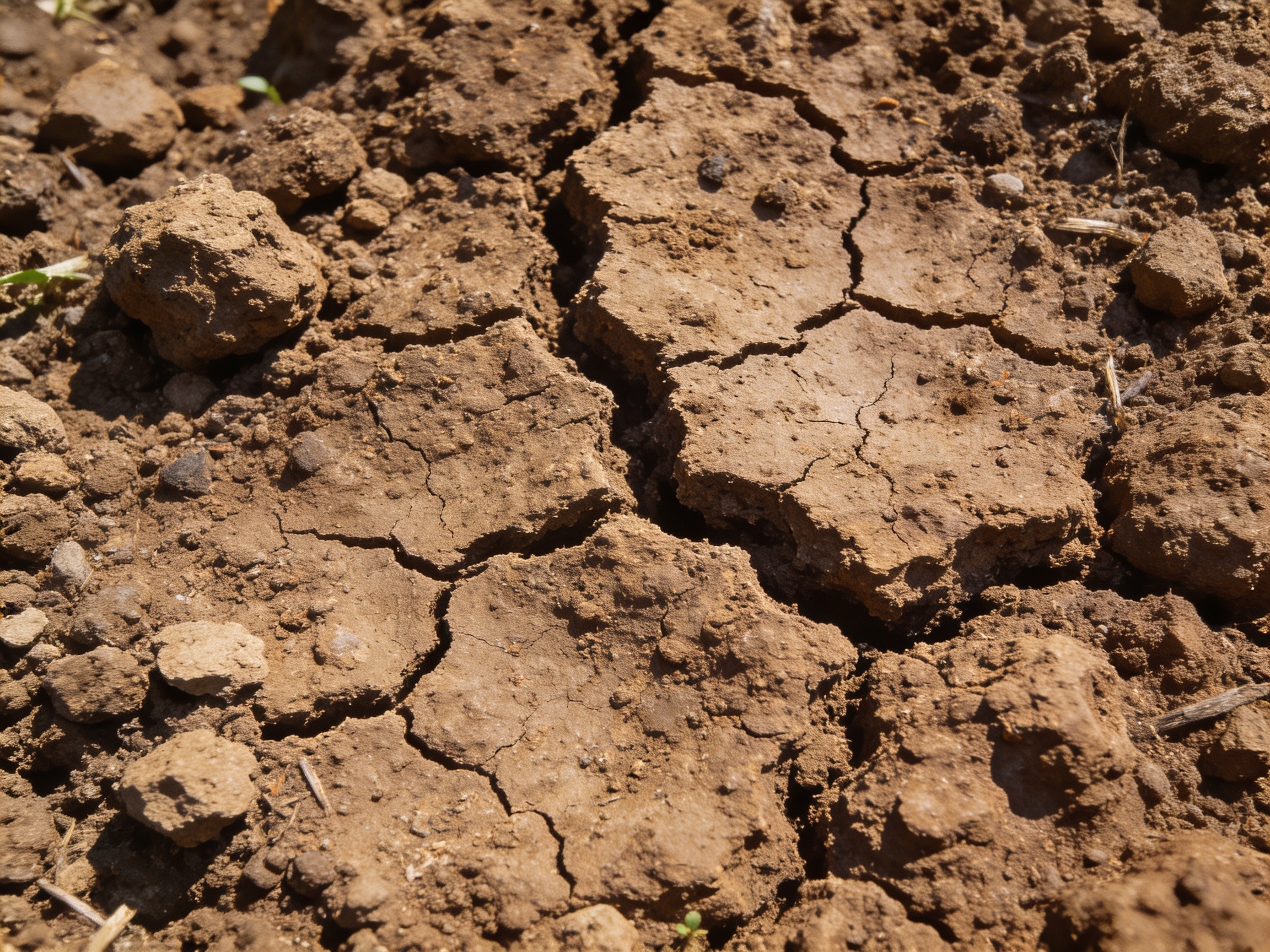
Clay soil is made up of very fine particles packed tightly together, which makes it slow to drain and prone to compaction — but it's also naturally rich in minerals and holds nutrients better than sandy soil once it's properly amended.
Recognizing Clay Soil
Clay soil forms hard, sticky clumps when wet and cracks into a hard crust when dry. A simple test: squeeze a handful of moist soil — clay will hold a tight, ribbon-like shape, while sandier soil crumbles apart easily.
Because it drains slowly, clay soil is especially vulnerable to compaction from foot traffic or working it while wet, both of which squeeze out the air pockets roots need.
Avoid adding sand to clay soil hoping to improve drainage — the two combine to form something closer to concrete. Compost is a far better fix.
Improving Clay Over Time
Working two to three inches of compost into the top several inches of clay soil each season gradually improves its structure, helping it drain better and resist compaction. Raised beds are another practical option, letting you bypass difficult native clay entirely with a better-draining soil mix.