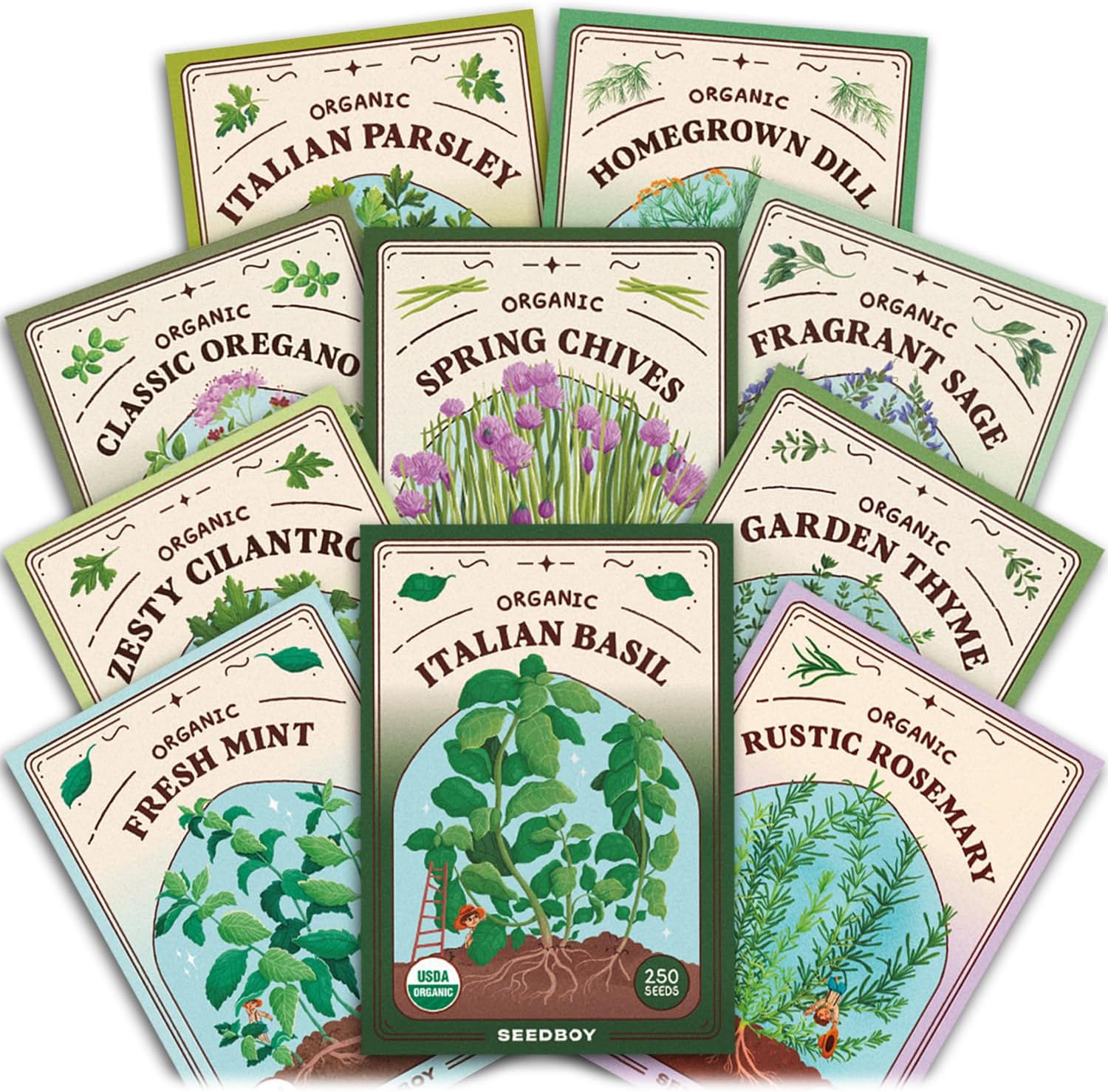
Chinese lantern's papery orange husks look like tiny glowing lanterns strung along the stem, making it one of the most distinctive plants for fall floral arrangements and dried displays.
A relative of the tomatillo, Chinese lantern grows a small berry inside each husk, but it's the ornamental husk itself — which holds its color and shape long after drying — that gardeners grow it for.
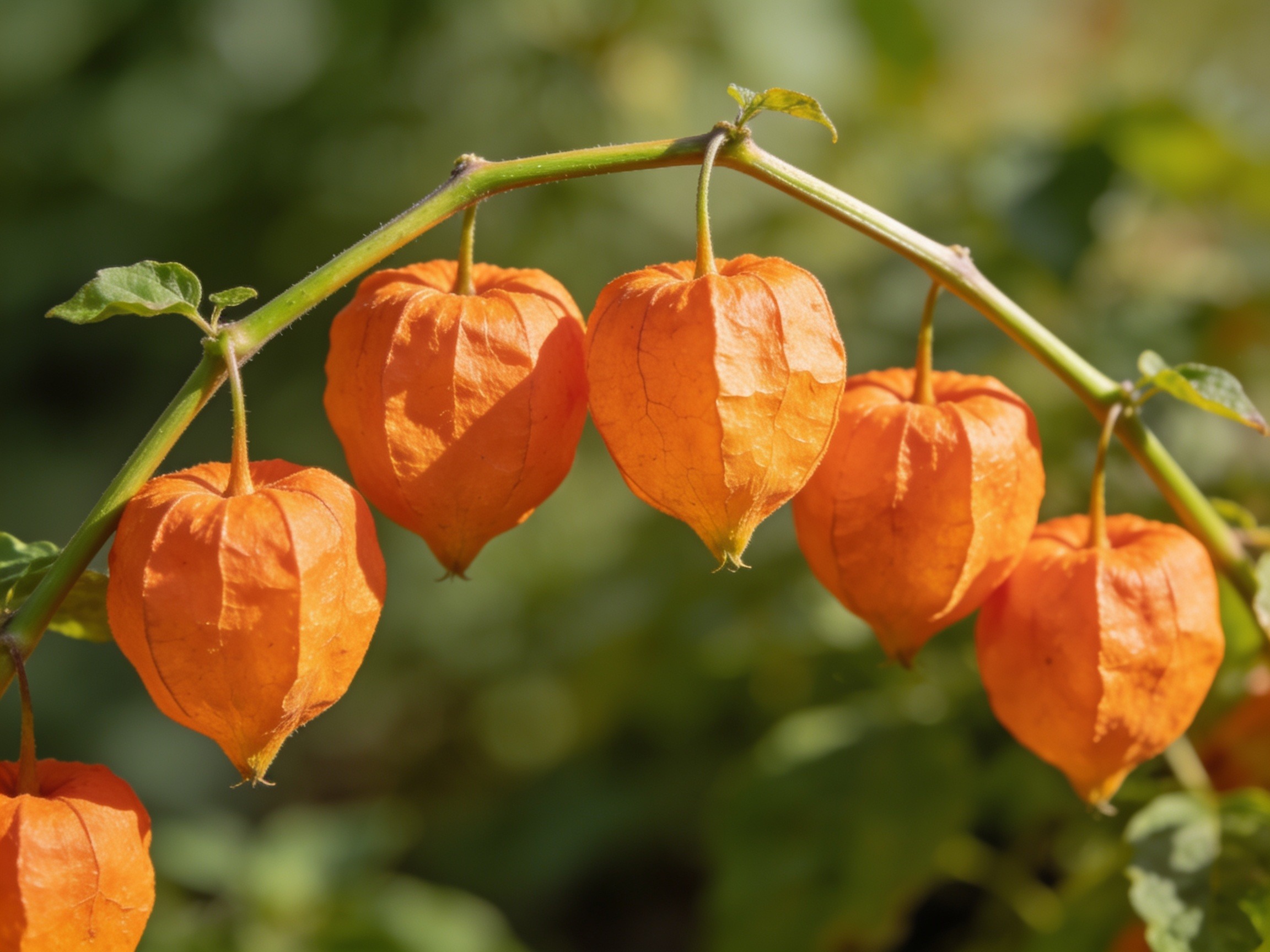
Chinese lantern wants full sun and average soil, and it spreads assertively by underground rhizomes, so many gardeners contain it in a pot or a bed with a root barrier. Harvest stems for drying once the husks have fully colored to orange, hanging them upside down in a dry, airy spot.
The ripe berry inside is technically edible in small amounts once fully ripe, but unripe fruit and all other plant parts are considered toxic, so it's best treated as ornamental only.