Caring for a Rock Garden
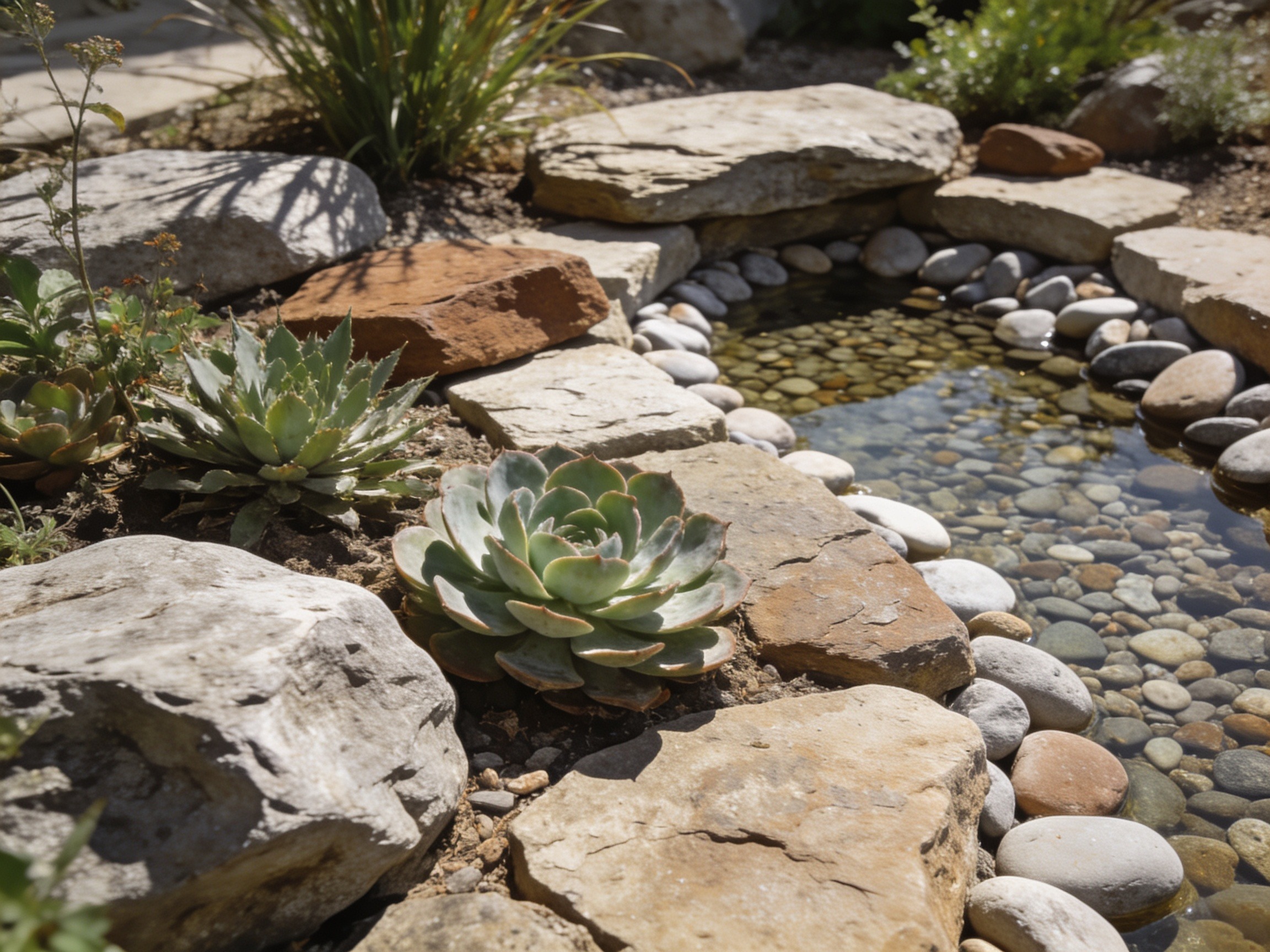
A rock garden is nearly maintenance-free once established, which is a big part of its appeal — especially in dry climates where a conventional lawn is wasteful to keep up.
Planning and Drainage
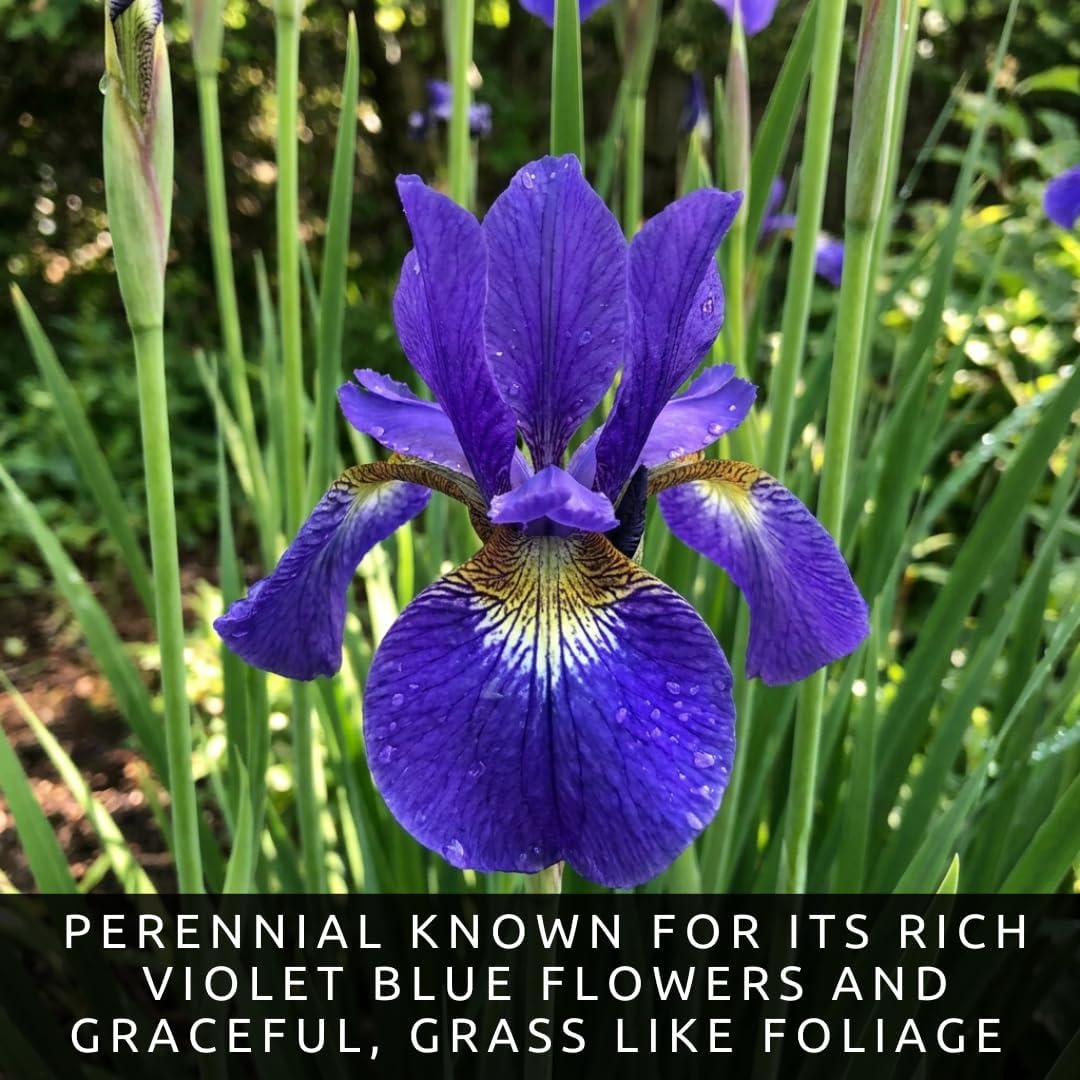
Visualize the site and size before shopping for rocks or plants — a rough blueprint saves real time and money at the nursery. Rock gardens fit naturally into xeriscaping, since they're built around plants that don't need supplemental water. Whether the bed blends softly into the lawn with ground cover at its edges or gets a sharp, defined border is entirely a style choice. The one thing not to neglect is proper drainage and choosing plants genuinely suited to your soil — your local nursery or native plant society can help settle both questions.
A Water Feature Option
A self-circulating pebble pond adds a nice finishing touch — a hidden bowl, covered in beach-style stones, with a small pump pushing water up and letting it fall back over the pebbles into the collecting bowl below. A solar-powered pump paired with a rain barrel keeps the setup eco-friendly. Beyond the initial build, a rock garden built around xeriscaping principles asks for very little upkeep afterward, making it one of the lowest-maintenance landscaping choices available.
Only take rocks from places where it's legal and appropriate to do so — river beds and coastlines can offer beautiful natural stone, but never from protected land.