Basics of Orchid Care
Orchids often arrive as gifts, and caring for one takes more than a windowsill and hope — but the basics are simpler than the reputation suggests.
Water, Light, and Temperature
Overwatering is the classic beginner mistake — let the growing medium get dry (but not bone dry) before watering thoroughly, generally no more than once a week. Since most orchids come from tropical regions with temperatures above 30°C, watch for cold damage: leaves that yellow and eventually drop are a sign the plant got too chilly. Light matters more than almost anything else for getting an orchid to bloom — bright but indirect light works best, and a south-facing window typically offers the most.
Humidity, Feeding, and Repotting
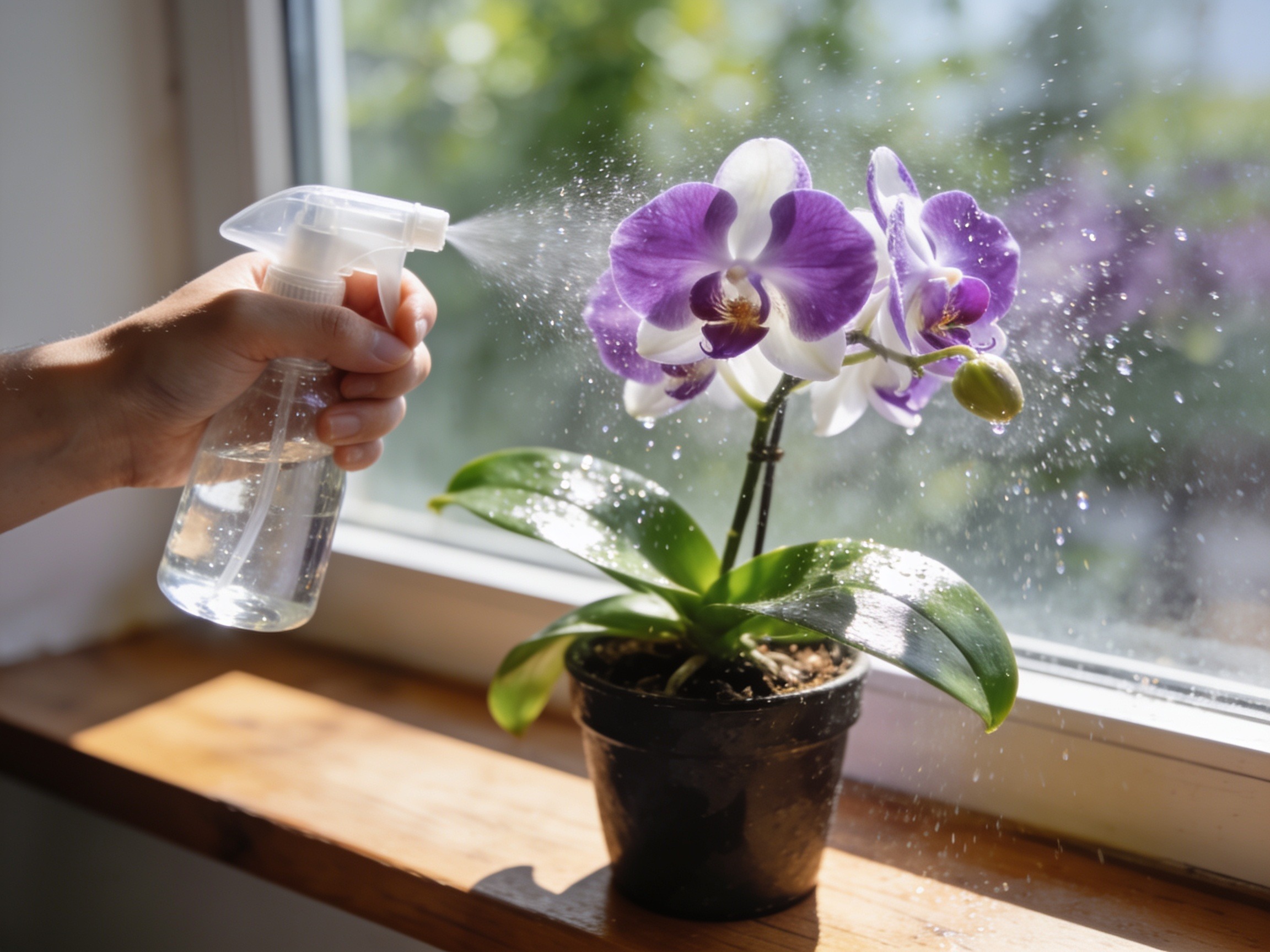
A quick daily mist from a spray bottle covers most orchids' humidity needs without much extra effort. Feed in spring using either a homemade feed or a store-bought orchid fertilizer, but skip feeding entirely during winter. If growth has been strong enough to need more room, repot just before new growth appears rather than after. If insects or disease show up, a local orchid specialist can help — and keeping the plant clean regularly goes a long way toward preventing problems in the first place.
Check moisture beneath the surface of the growing medium, not just the top — the surface can look dry while the roots are still plenty wet underneath.