Australian Orchids
Orchids form the largest flowering plant family on Earth, with more than 30,000 species — and Australia's roughly 1,200 native species include some of the strangest and most specialized in the world.
Tricks for Pollination
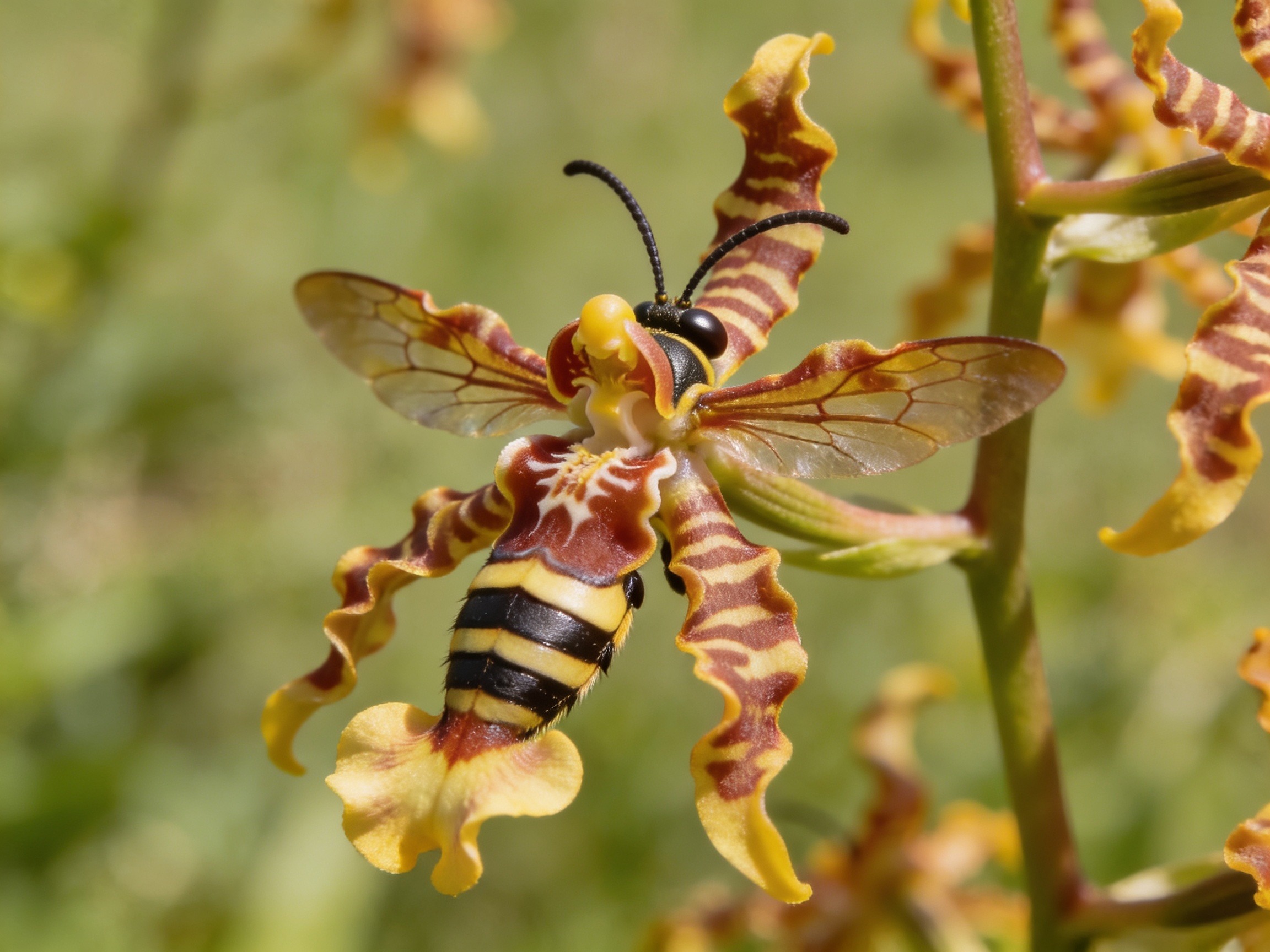
Many Australian orchids have evolved highly specific ways to attract insect pollinators. The dragon orchid mimics the shape of a wingless female wasp closely enough to draw in male wasps looking to mate. Scientists study these adaptations closely — a national herbarium collection holds tens of thousands of dried and preserved orchid specimens sent in by licensed collectors. Notable species include the endangered blue orchid native to North Eastern Queensland, the dotted sun orchid, and the nodding greenhood.
Ground-Dwelling and Tree-Dwelling
Australia's orchids split roughly 70% terrestrial to 30% epiphytic (tree-growing) — epiphytes tend to be the easiest to grow and the most common in home orchid collections. Western Australia is known especially for terrestrial orchids prized for their size, bright color, and unusual markings; some species in the genus Rhizanthella spend their entire lives underground. Whatever the type, most orchids need humidity above 50% to really thrive, whether grown at home or admired from a florist's shelf.
If you're new to orchid growing, start with an epiphytic variety rather than a terrestrial one — they're generally the most forgiving for a beginner's first attempt.