Allergy sufferers don't have to give up gardening — choosing lower-pollen plants and a few simple habits can make a real difference in how much time you can comfortably spend outdoors.
Wind-pollinated plants (many trees, grasses, and weeds) tend to release far more airborne pollen than insect-pollinated flowers, which rely on bees and other pollinators rather than the wind to spread their pollen — a useful distinction when planning a more allergy-friendly garden.
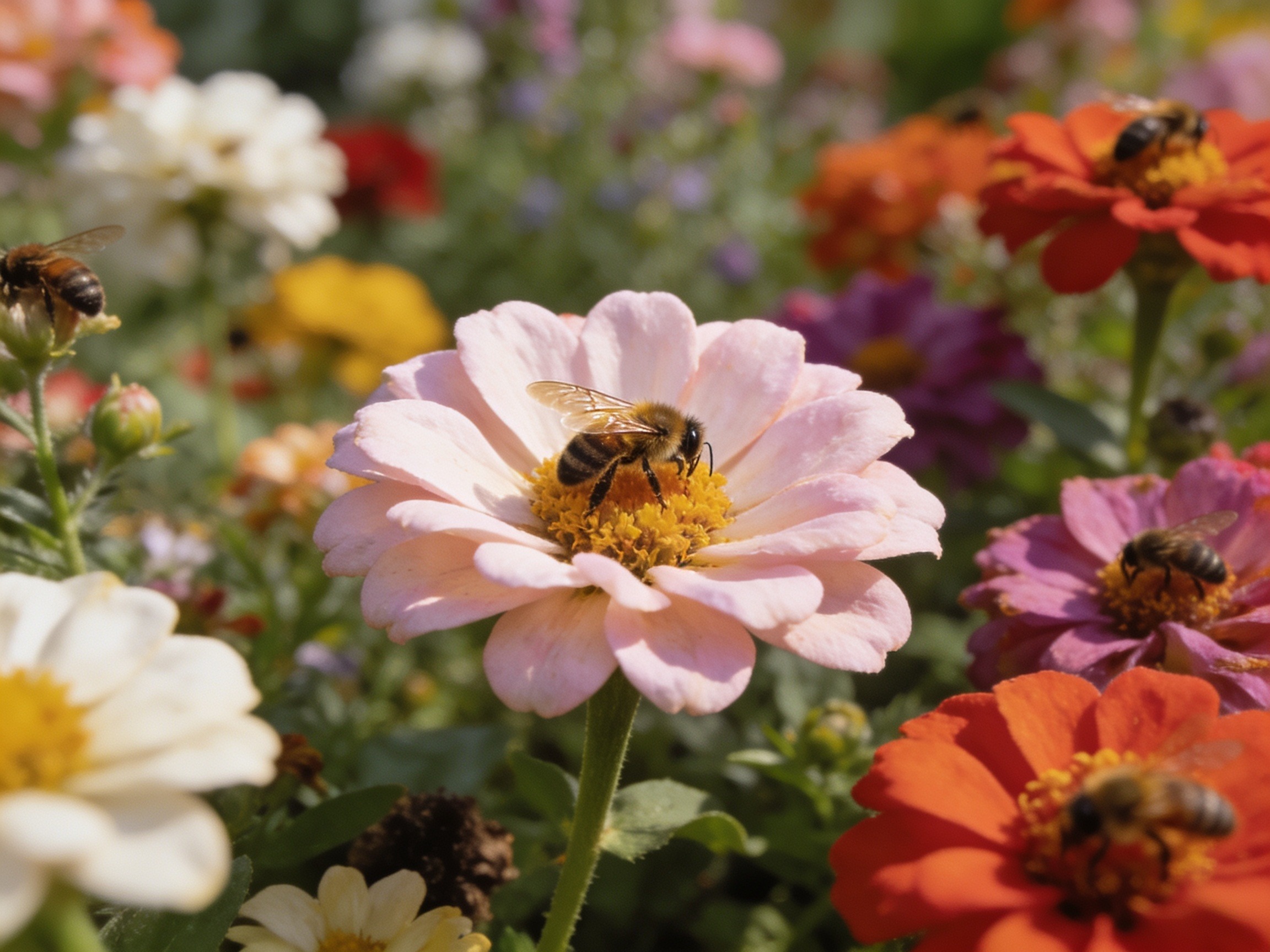
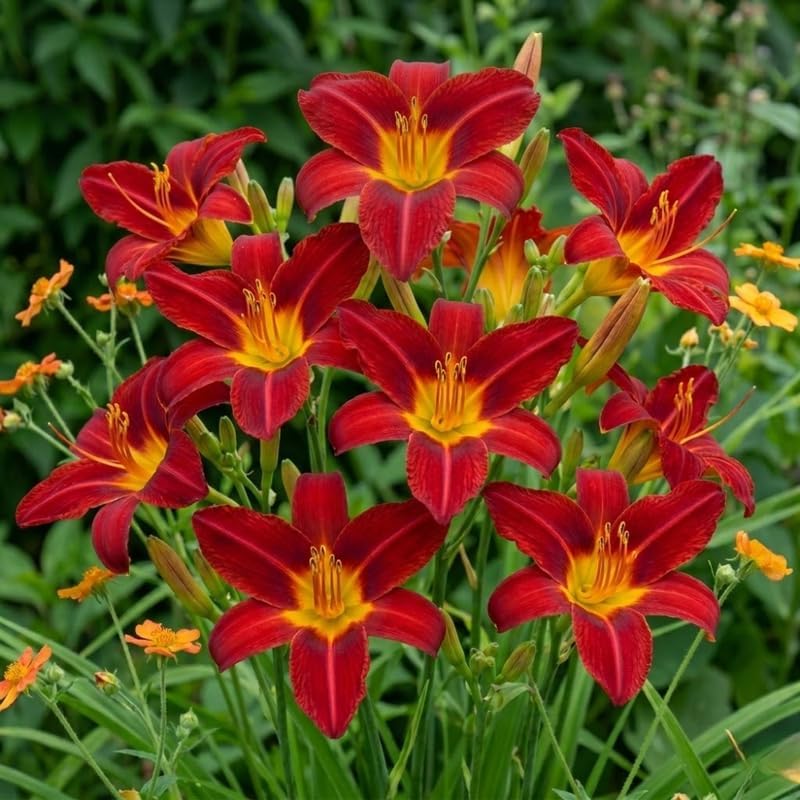
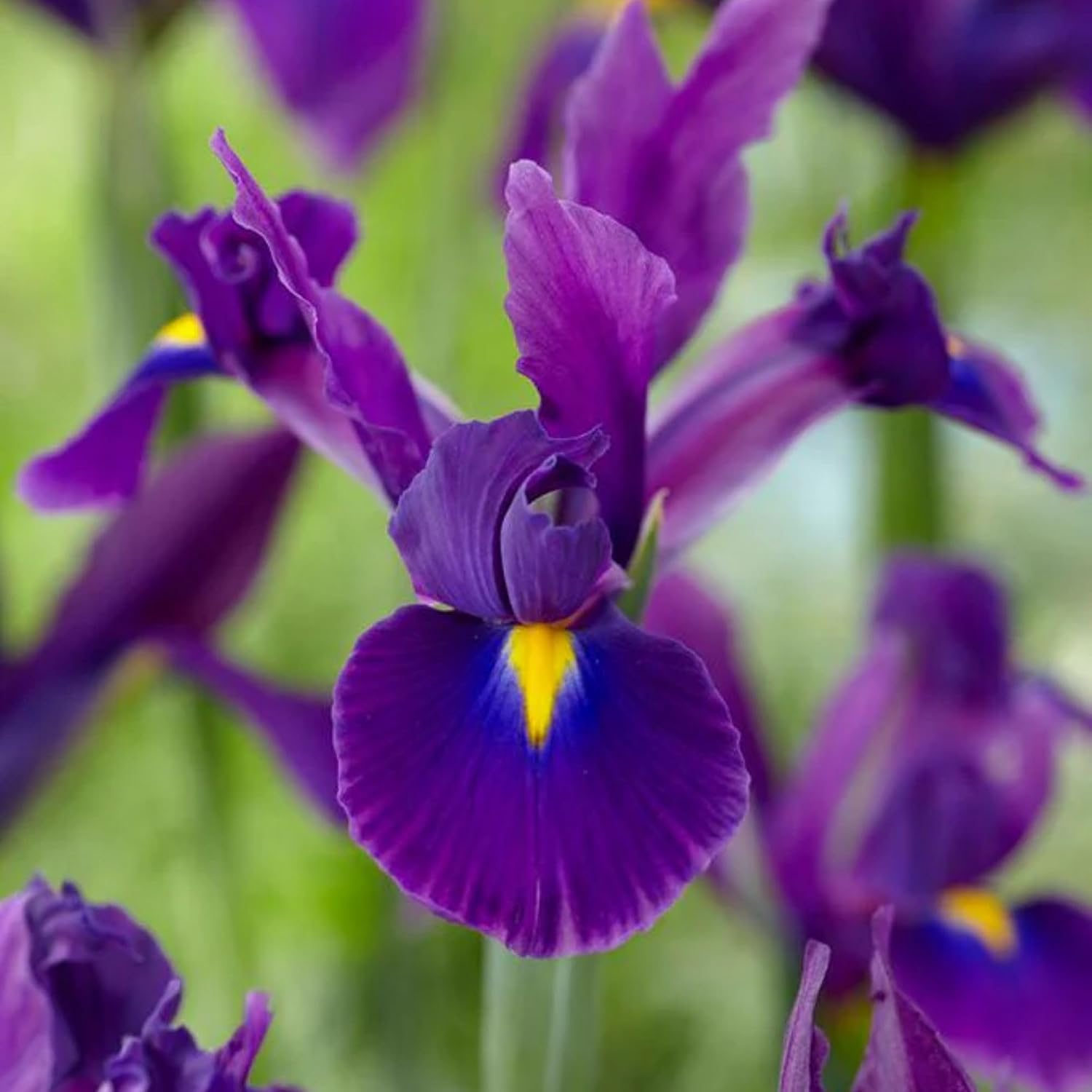
Favoring insect-pollinated flowers like roses, tulips, and most double-flowered varieties over wind-pollinated trees and grasses reduces the amount of fine, airborne pollen near your outdoor spaces. Gardening in the late afternoon or after rain, when pollen counts tend to be lower, and changing clothes after time outdoors also helps.
Wearing a simple dust mask while mowing, raking, or handling mulch and compost meaningfully cuts down on direct exposure to airborne allergens during yard work.